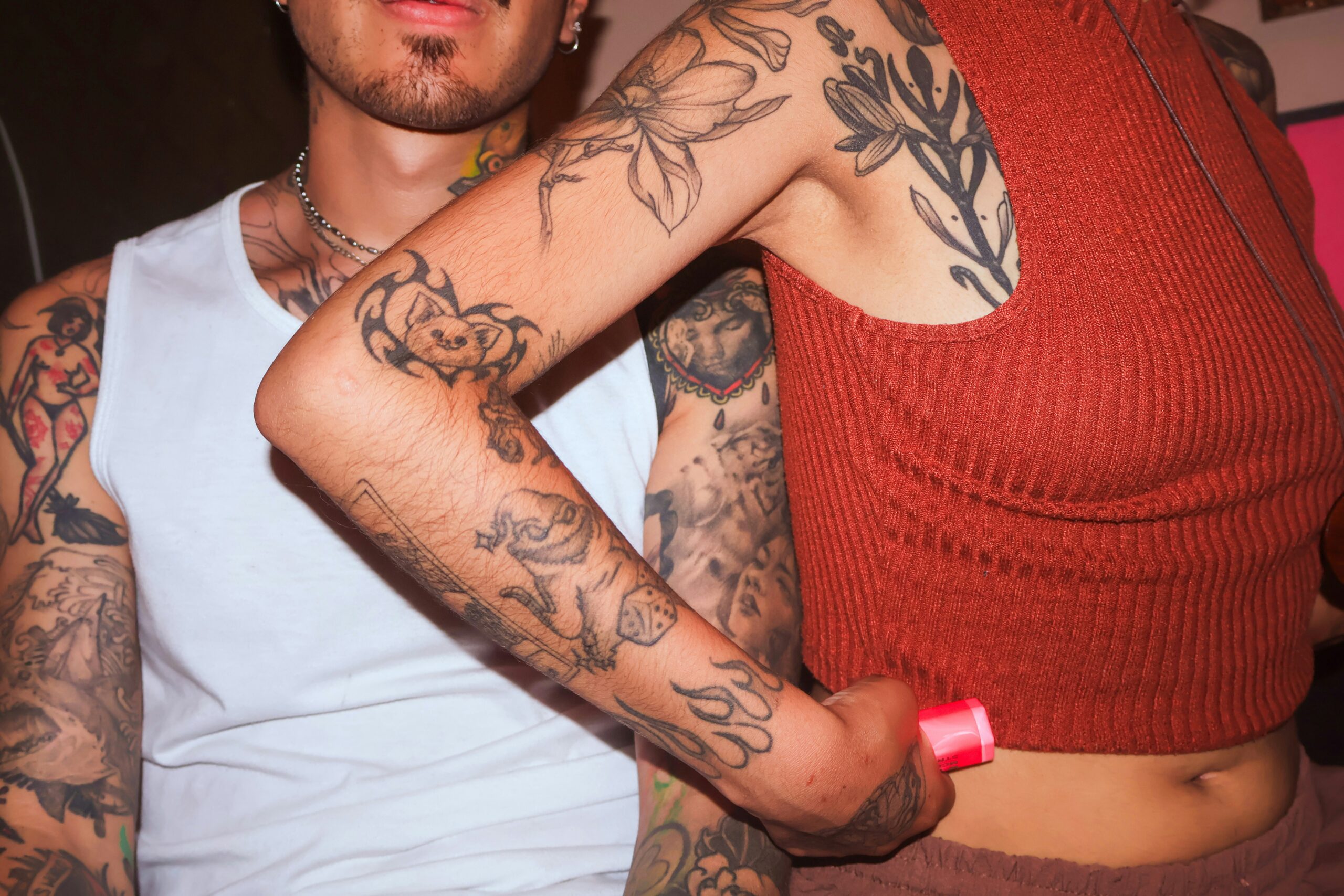
A smiling face beside a crying one can communicate an entire story without a single sentence. That is part of the appeal behind gangster laugh now cry later drawings. The familiar image of two contrasting faces has traveled through theater, tattoo culture, street art, illustration, and popular culture, picking up different meanings along the way.
Sometimes the imagery can go so far that it looks like Gangster style artwork, Chicano artwork etc, when artists have started adding in black and grey tattooing, writing, roses, lowrider motifs and even clowns but the design is more than just a ‘gang symbol’. The two face imagery dates much further back than gangs, having theatrical associations and also being popular with street and tattooing culture. When looking for drawings, the idea usually becomes, more or less practical, “what does this symbolize, what are the different tattoo styles, and how can I make my version not look exactly the same as another persons?”
The strongest answer begins with the symbolism.
What “Laugh Now, Cry Later” Actually Represents
In its simplest form, the slogan speaks to the duality of pleasure and pain, with one face beaming and the other weeping – an emblem for both halves of the human experience. That could mean different things to different people: One face can show the joy of experiencing something, and the other could express knowing that suffering might inevitably be present down the line. Another person could use it to represent the difference between a outward-facing personality and one’s inner experience or a situation in which a subject embraces the past but looks at suffering ahead.
For another user, the emblem may show a tough person’s willingness to persevere through painful events to come.
However, the design is interpreted too in a way to show hope through loss to persevere. But no single application will be applicable to every instance. That’s especially true when considering gang terminology. Police and gang experts report “laugh now cry later” slogans and symbols often are part of gang affiliations.
But because images can take many meanings, someone can be branded using the design and may have no part of a particular culture to them whatsoever.
Location: is Everything..!!!!!.
The Ancient Theater Connection Behind the Modern Drawing
While they would eventually go on to be featured in tattoo culture and street style art, laughter/crying was originally associated with the masks found in theatre. The sad and smiling mask set you’re likely thinking of originated with the Greek stage and an actor’s mask became an ongoing emblem for comedy and tragedy in theater.
It makes logical sense that several present day laughing/crying illustrations would employ mask faces as opposed to human ones as they’re readable right away – one side represents triumph, the other mournfulness, and side-by-side the combined message illustrates the dichotomous nature of human living. Modern depictions will often stray from the classic theatre face though, reimagining them as skulls, clowns, portraiture, street toughs, jokers or in styles of varied degrees of artistic expression.
Why the Design Became Associated With Chicano and Gangster-Inspired Art
This modern, graphic approach to the motif is, largely, the product of traditions within Chicano tattoo art and illustration. The stylistic tropes — black-and-gray, bold lettering styles, powerful portraits, imagery related to the crucifixion, roses, clowns, and theater masks — were assimilated into a well-understood iconographic grammar. This idea of the cultural & artistic association is repeated throughout the literatures about “laugh now cry later”-associated Chicano tattoo imagery, for instance. It is not something intrinsic to clown masks in themselves.
That distinction is useful when researching gangster laugh now cry later drawings. A drawing can borrow the visual language of classic Chicano black-and-gray art without claiming a specific gang affiliation.
For artists, this opens considerably more creative territory.
You can preserve the emotional contrast while creating an entirely original composition.
12 Strong Ideas for Gangster Laugh Now Cry Later Drawings
1. Classic Comedy and Tragedy Masks
Certainly, themost popular is no question the easist one. Take tow theatrical masks in couple in an opposition, the first laughing widely and cheeky and second looking quite controlled with just one tear on it. Coloring scheme black/grey especially helps in here, because shadows highlight strongly.
It does not overlie the subject however.
Create unique illustration instead of copy from tattoo parlor,modify the proportions of their heads, add ornamental framework, change expressions, modify things around heads.
2. Realistic Human Faces
Draw Two Life-like Portraits as your “masks”. Draw one smiling portrait and another person with one face that clearly looks miserable. When the drawings look like two real people, they’re even more emotive and far away from the stock stage symbols or characters of traditional masks. Pencil and graphite drawings often are very effective with this sort of technique, using hints around the eyes and the mouth to get the emotion across.
3. Split-Face Illustration
A single face can carry both emotions.
One half smiles while the other half cries, creating a visual representation of emotional conflict.
The dividing line can be straight, cracked, blurred, or incorporated into another object.
This style is particularly effective for digital illustration because artists can use different textures, lighting, and backgrounds on each side.
4. Joker-Inspired Interpretation
Joker-inspired visuals are quite common when creating today’s “laugh now, cry later” art piece. If you look up laughs now cry later on images you will find so many variations including images of smiling and crying clowns with words like laughs now cry later above them or below them. But when you go to design you do not have want to duplicate a copyright character if you plan on making original artwork in an exaggerated style. Work on an original mean clown as well, with big colorful paint for makeup or a more distinct hairstyle or facial expression, all while maintaining the creepy feeling.
5. Skull and Mask Combination
For a darker drawing, one theatrical mask can partially reveal a skull underneath.
The smiling side can represent the temporary nature of pleasure, while the skull introduces themes of mortality and consequence.
This interpretation gives the phrase a heavier philosophical meaning without requiring literal gangster imagery.
6. Clown Face With Hidden Tears
A clown can smile broadly while a tear runs down one cheek.
The contrast captures one of the most recognizable interpretations of the phrase: appearing cheerful while carrying private sadness.
A detailed drawing can emphasize this idea through makeup, wrinkles, shadows, and exaggerated eyes.
7. Mask Held in Front of a Crying Face
This composition introduces a second layer of storytelling.
A person holds a smiling mask over their face, but their real expression underneath is sorrowful.
Unlike the traditional two-mask design, this version clearly communicates the idea of public appearance versus private emotion.
It can be especially effective as a pencil sketch because the artist can use contrast between the artificial mask and natural facial expression.
8. Black-and-Gray Chicano-Inspired Design
Black-and-gray artwork is strongly associated with Chicano tattoo aesthetics, making it a natural direction for people searching for gangster-style drawings and Chicano tattoo art.
Typical visual ingredients may include:
- dramatic shadows
- ornamental lettering
- roses
- smoke
- realistic faces
- decorative framing
- strong contrast
The key is to treat these as artistic influences rather than a checklist. Adding every possible element can make a drawing look crowded.
A simpler composition often has more impact.
9. Lettering-Focused Drawing
The masks do not have to dominate the composition.
The words “Laugh Now” can appear above the smiling face, while “Cry Later” sits beneath the sad face.
Different lettering styles can completely change the mood.
Gothic lettering produces a darker atmosphere, while flowing script can create a more traditional tattoo aesthetic.
10. Two Faces Surrounded by Roses
Roses provide a visual bridge between the two contrasting expressions.
A smiling mask can sit among open roses while the crying mask is surrounded by darker leaves, thorns, or partially closed flowers.
The floral elements can symbolize beauty, loss, memory, or change without requiring additional text.
11. Broken-Mask Concept
Instead of drawing two complete faces, show damaged masks.
The smiling mask might contain cracks, while the crying mask appears more intact.
This reverses the expected symbolism and suggests that the cheerful exterior may be the fragile part.
It is an especially useful concept for artists who want something more interpretive than a conventional tattoo drawing.
12. Minimalist Laugh Now Cry Later Sketch
Not every design needs dramatic shadows and intricate details.
A minimalist version can use two simple line-art faces with small differences in the eyes and mouths.
This approach is useful for beginners learning facial expressions or artists developing an original stencil.
The simplicity also forces the expressions themselves to carry the meaning.
What Makes a Gangster-Style Drawing Look Convincing?
The strongest examples are not necessarily the ones with the most details. They are the ones where the visual language is consistent.
Line quality
Bold outlines can create a traditional tattoo feel, while delicate lines are better suited to modern illustration.
Randomly mixing thick and thin lines can make a drawing appear unfinished.
Shading
Black-and-gray designs depend heavily on controlled tonal contrast.
Instead of shading everything equally, decide where the light comes from. Let the brightest areas guide the viewer toward the eyes, mouth, or central symbolic element.
Facial expression
This is the heart of the concept.
A smiling face should not merely have an upward-curved mouth. The eyes, cheeks, eyebrows, and surrounding wrinkles should support the expression.
Likewise, a convincing crying face requires more than adding a tear.
The expression should communicate sadness before the viewer notices the tear.
Composition
The two faces should have a visual relationship.
They can face each other, look away from one another, overlap, or sit symmetrically.
The choice changes the story.
Faces looking toward one another can suggest conflict or conversation. Faces looking in opposite directions can suggest two separate emotional states.
Gangster, Chicano, and Prison Imagery: Why Context Matters
It seems to be a general style label for drawings that are supposed to look tough, incorporate mask or skulls or tattoos or street style typography.
However, street gang specific symbols are not as general a category of the internet art genre.
Historical accounts and law enforcement resources show documentation of gang members having clown or mask tattoos and correlate some versions to phrases like ‘laugh now cry later.’ It has also been shown in tattoo resources that that same image can be interpreted personally for artistic reasons and due to individual feelings, cultural significance.
Therefore, the meaning is lost in isolation-when the two masks above are incorporated, it does not necessarily indicate gang affiliation, for instance.
However, it is another cause for artists, to recognize the reference before they deem a piece ‘gangster’; that a Chicano-inspired black and grey theatrical mask art, street illustration or just laugh now cry later artwork may be a more precise classification to what the artist is trying to convey.
Common Mistakes When Drawing the Two Faces
Don’t make the masks too alike – the entire concept relies on contrast; the viewer needs to work hard to connect the two when they can barely tell the difference between the two faces.
Don’t over-accessorize – while skulls, roses, money, clocks, letters, flames, smoke, chains and crowns all have a place in this urban artwork style, cramming too many graphic elements into one piece can just bury the main concept. Steer clear of replicating a certain existing illustration or tattoo verbatim – reference images can be fantastic inspiration when considering anatomy, proportion, and composition, but a freshly executed illustration requires its own form of structure and graphic choices.
And last but certainly not least, don’t simply make things “more extreme” in the hopes that it becomes somehow “more authentic” because an honest illustration comes from careful composition, proportion, lighting, and graphic choices – not solely through weaponry, threatening figures, or loads of symbolisation.
How to Create an Original Drawing From the Concept
A useful starting point is to decide what the phrase means before deciding what the characters should look like.
If the intended meaning is resilience, the crying face might look exhausted while the smiling face appears determined.
If the theme is hidden emotion, use the mask-in-front-of-face concept.
If the idea is the contrast between temporary pleasure and consequences, skull imagery may communicate the message better.
Once the meaning is established, select the visual style.
A pencil artist might use realistic faces and cross-hatching. A digital illustrator might use dramatic lighting and textured backgrounds. A tattoo designer might prioritize clean outlines and areas of negative space.
This approach produces a design that tells a story rather than merely repeating a popular motif.
Are These Drawings Only for Tattoos?
No.
The laugh now cry later concept appears in tattoo designs, sketches, posters, digital illustrations, clothing graphics, murals, and other forms of tattoo design ideas. Search results show numerous drawing variations ranging from simple outlines to detailed tattoo-style compositions.
For a drawing project, the concept can be adapted to almost any medium.
Graphite emphasizes facial expression.
Ink emphasizes line and contrast.
Charcoal creates a darker, rougher atmosphere.
Digital art allows dramatic lighting and layered backgrounds.
Colored pencils can completely change the mood by separating the joyful and sorrowful sides with different palettes.
The symbolism remains recognizable even when the artistic technique changes.
A Better Way to Choose a Design
Rather than beginning with a search for the “most gangster” picture, begin with three questions:
What emotion should the drawing communicate?
What artistic tradition do I want to reference?
What detail will make the design mine rather than someone else’s?
The answers to those questions results in superior creative choices. What artist thinking about classic theatrical symbolism might lean towards actual masks? An artist drawing on the dark tones of traditional gray and black tattoos could envision photorealistic portraits combined with script ornamentation.
Still another artist could even discard the masks altogether for the face of an individual, with a half mask featuring different facial expressions.
But “face me” remains the point of departure for the creation of an piece, not the finished thing.
Conclusion
Gangster laugh now cry later drawings are much more than pictures of a smiling face and a crying face. The concept draws on the long-standing visual contrast between comedy and tragedy, while later tattoo and street-art traditions gave it additional associations with hardship, survival, hidden emotion, consequence, and cultural identity.
For the artist seeking inspiration the most exciting avenue of exploration would be to try breaking the standard two-mask format. Whether it is rendered realistic, the face split, a new clown personality, broken-masked figure, skull, rose, expressive type-face, or minimalist lines each could tell the same overarching story in entirely different manners of expression.
“Gangster” also needs a bit of consideration. While specific mask and clown archetypes do have documented links to gang iconography, the symbolism can be and often is used in tattooing and art for a multitude of self-determined and aesthetic ends.
In the final analysis, the drawing that commands the most attention is not necessarily the one that appears the most fearsome. It’s likely the one where the balance of joy and sadness is instantly apparent and the artist added his or her touch to make it clear it also tells its own distinct story.
Frequently Asked Questions
1. What do laugh now cry later drawings mean?
They commonly represent the contrast between happiness and sadness, public appearance and private emotion, or enjoying the present while recognizing that difficult times or consequences may follow. The exact meaning depends on the artist or person using the imagery.
2. Are laugh now cry later drawings associated with gangs?
Some versions of clown and mask imagery have documented associations with gang tattoos and related phrases. However, the design is also widely used in general tattoo culture, illustration, and personal artwork. A drawing alone should not be treated as proof of gang affiliation.
3. Why are two masks used for laugh now cry later?
The two masks are based on the long-standing theatrical symbols of comedy and tragedy. Their contrasting expressions make the concept immediately recognizable.
4. What style works best for gangster laugh now cry later drawings?
Black-and-gray, realistic, Chicano-inspired, traditional tattoo, clown, gothic, and minimalist styles can all work. The best choice depends on the mood and story the artist wants to communicate.
5. Can I create a laugh now cry later drawing without using theater masks?
Absolutely. A single split face, realistic portraits, an original clown, a person hiding behind a smiling mask, or even abstract symbols can communicate the same emotional contrast.
6. How can I make my drawing different from common tattoo designs?
Start with a personal concept instead of copying an existing composition. Change the facial expressions, perspective, symbolism, lighting, lettering, and surrounding elements. A unique story will naturally produce a more distinctive image.
7. Is “Laugh Now, Cry Later” the Same as “Smile Now, Cry Later”?
The expressions mean essentially the same concept as far as the ideas they present; each artist might attach a more individual sense to the words, as well. But The Laugh Now, Cry later phrase definitely goes hand in hand with the masks as characters.