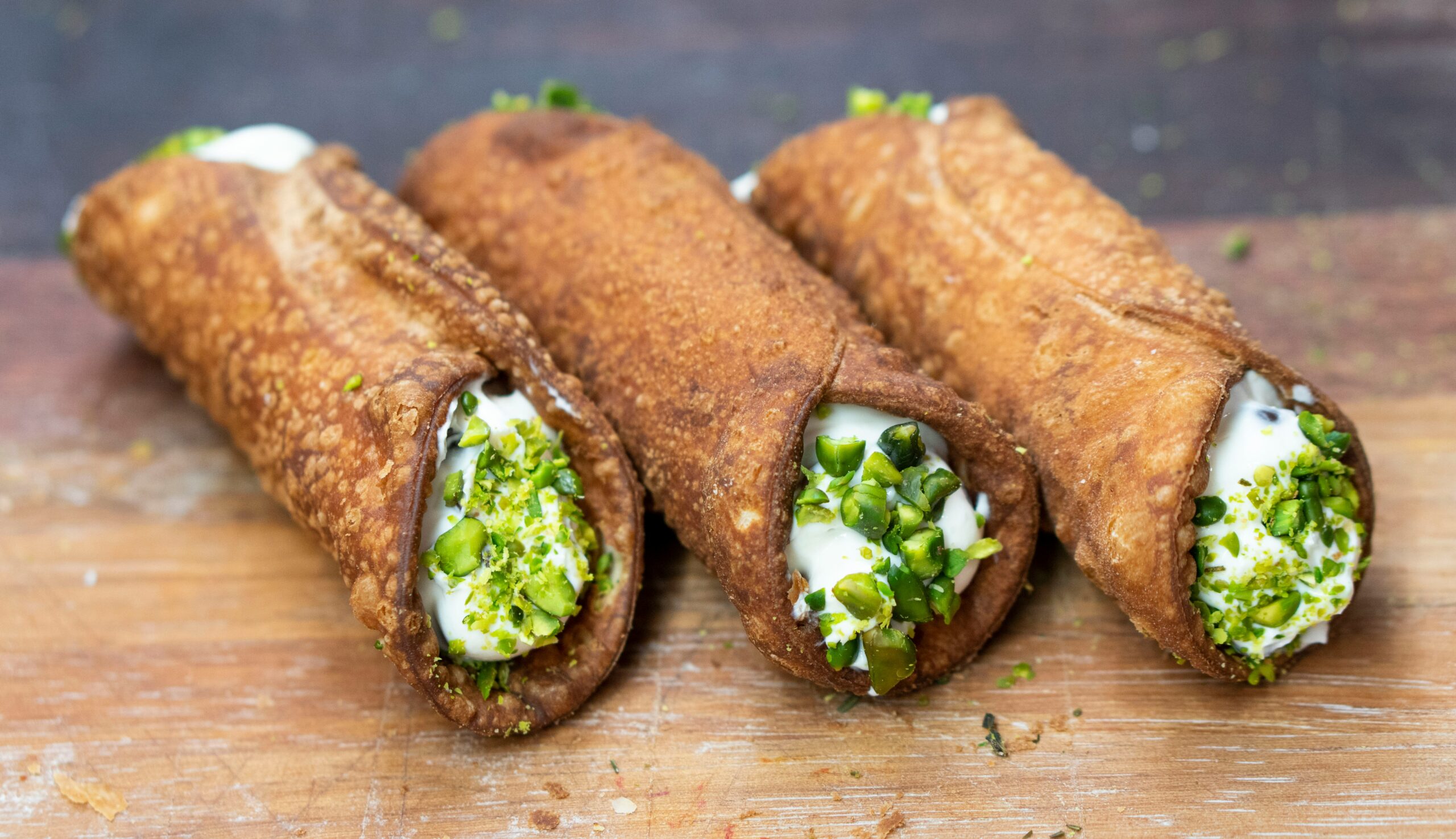
Few Italian pastries are as iconic—or as frequently misunderstood—as the Sicilian cannolo. Home bakers attempting an authentic italian cannoli filling recipe often end up with a runny, overly sweet cream that turns crispy pastry shells soggy within minutes. If your past attempts produced a soup-like mixture instead of a silky, pipeable filling that holds its shape, you are not alone.
The core challenge of preparing a true Sicilian ricotta filling comes down to moisture management, dairy selection, and working technique. Traditional Italian pastry shops rely on specific straining protocols and minimal ingredient handling to achieve that signature velvety texture.
This guide breaks down the essential science, ingredient selection, and step-by-step methods required to execute a flawless authentic italian cannoli filling recipe in your own kitchen, solving the common pitfalls of watery filling and graininess for good.
What Defines a True Sicilian Cannoli Filling?
In many Western supermarkets and bakeries, “cannoli cream” is modified with heavy whipping cream, mascarpone, cream cheese, or pudding bases to artificially stabilize the mixture. While these additions make the cream easier for commercial kitchens to hold long-term, they move the flavor profile far away from traditional pastry standards.
A true authentic italian cannoli filling recipe relies almost exclusively on sheep’s milk ricotta (or well-drained cow’s milk ricotta), powdered sugar, and subtle aromatic accents such as dark chocolate chips, candied orange peel, or cinnamon. The structural integrity does not come from whipped fats or chemical stabilizers; it comes entirely from removing excess whey before sweetening the cheese.
+—————————————————————————————+
| Traditional vs. Americanized Cannoli Fillings |
+————————–+————————————————————+
| Characteristic | Authentic Sicilian Method | Americanized Bakery Adaptations|
+————————–+—————————-+——————————-+
| Primary Dairy Base | Drained Sheep or Cow Ricotta| Ricotta + Mascarpone / Cream |
+————————–+—————————-+——————————-+
| Sweetener | Sifted Confectioners’ Sugar| Granulated or Powdered Sugar |
+————————–+—————————-+——————————-+
| Texture Source | Extended Whey Draining | Heavy Cream / Gelatin / Starch|
+————————–+—————————-+——————————-+
| Flavor Profile | Tangy, Light, Subtly Spiced| Heavy, Vanilla-Forward, Very Sweet|
+————————–+—————————-+——————————-+
The Root Cause of Runny Cannoli Cream
Understanding why ricotta turns liquid when mixed with sugar is the key to mastering any authentic italian cannoli filling recipe. Ricotta is a fresh curd cheese containing a high percentage of trapped water.
When you introduce sugar to unstrained ricotta, a process called osmosis occurs. The sugar draws free moisture out of the cheese proteins, dissolving into a sugar syrup that breaks down the emulsion. No matter how much you whip or chill a sugary, wet ricotta mixture, it will remain runny.
┌──────────────────────────────────────────────────┐
│ Step 1: Extended Ricotta Draining (12–24h) │
│ (Removes free whey to prevent liquid osmosis) │
└────────────────────────┬─────────────────────────┘
│
▼
┌──────────────────────────────────────────────────┐
│ Step 2: Sifting & Controlled Sugar Fold │
│ (Prevents gluten/dairy breakdown from overmixing)│
└────────────────────────┬─────────────────────────┘
│
▼
┌──────────────────────────────────────────────────┐
│ Step 3: Rest & Chill Cycle (Minimum 2 Hours) │
│ (Allows sugar to hydrate and stabilize structure)│
└────────────────────────┬─────────────────────────┘
│
▼
┌──────────────────────────────────────────────────┐
│ Step 4: Fresh Pipe Assembly (Just Before Use) │
│ (Protects crisp pastry shell from moisture absorption)│
└────────────────────────┘
Key Ingredients & Selection Criteria
Executing a high-caliber authentic italian cannoli filling recipe requires selecting ingredients that mimic traditional Sicilian pantry staples.
1. Ricotta: Sheep’s Milk vs. Whole Cow’s Milk
Traditional Sicilian pastry makers use sheep’s milk ricotta (ricotta di pecora), which naturally possesses a higher fat content, richer flavor, and lower water activity than cow’s milk varieties, making it an important choice when preparing an authentic Italian cannoli filling recipe
If sheep’s milk ricotta is unavailable in your area, high-quality, whole-milk cow’s milk ricotta is an acceptable substitute. Avoid mass-market mass-produced ricottas that contain gums, stabilizers, or carrageenan, as these additives prevent water from draining properly and yield a grainy texture when whipped.
2. Sugar: Confectioners’ vs. Granulated
Always use sifted confectioners’ sugar (powdered sugar). Granulated sugar leaves an unpleasant crunch in unbaked cheese creams because there is not enough free liquid to dissolve the crystals naturally. Powdered sugar incorporates smoothly while contributing cornstarch (or anti-caking agent), which subtly aids in binding residual moisture.
3. Flavor Accents and Inclusions
- Cinnamon: A tiny pinch of ground cinnamon adds warmth without overpowering the fresh cheese.
- Citrus Zest or Candied Peel: Finely minced candied orange peel is a classic Sicilian addition that cuts through the richness of the dairy.
- Dark Chocolate: Use mini semi-sweet chocolate chips or hand-chopped 60% dark chocolate bars. Large chips clog piping tips during assembly.
The Essential Recipe Protocol
Follow this precise method to construct a stable, traditional filling that performs reliably.
+—————————————————————————————+
| Core Recipe Ratio & Benchmark |
+————————–+————————————————————+
| Component | Weight / Measurement |
+————————–+————————————————————+
| Whole Milk Ricotta | 16 oz (450g) — Measured BEFORE straining |
+————————–+————————————————————+
| Confectioners’ Sugar | 1/2 cup to 2/3 cup (60g – 80g) — Sifted |
+————————–+————————————————————+
| Ground Cinnamon | 1/8 teaspoon (pinch) |
+————————–+————————————————————+
| Dark Chocolate Bits | 1/3 cup (55g) mini chips or shaved dark chocolate |
+————————–+————————————————————+
| Orange Zest (Optional) | 1/2 teaspoon finely grated fresh orange zest |
+————————–+————————————————————+
Step 1: Deep Draining (12 to 24 Hours)
Line a fine-mesh colander with two layers of cheesecloth or a clean flour-sack kitchen towel. Set the colander over a deep bowl, ensuring the bottom of the colander does not touch the bottom of the bowl.
Spoon the ricotta into the lined colander, fold the cloth edges over the top, and place a light weight (such as a small plate topped with a unopened can) on top. Refrigerate for a minimum of 12 hours, preferably 24 hours. You should see 2 to 4 tablespoons of liquid whey drain off.
Step 2: Smoothing the Curd
Transfer the drained, firm ricotta to a mixing bowl. To eliminate graininess without overworking the dairy, pass the drained ricotta through a fine-mesh sieve using a flexible rubber spatula, or pulse it briefly in a food processor for 5 to 10 seconds. Do not over-process, or the fat will separate and turn liquid.
Step 3: Sweetening and Flavoring
Sift the confectioners’ sugar and ground cinnamon directly over the smoothed ricotta. Using a spatula, gently fold the sugar into the cheese until fully combined. Gently fold in the mini chocolate chips and orange zest.
Step 4: Stiffening and Chilling
Transfer the mixture into a pastry piping bag fitted with a large round tip (or an open star tip). Tie off the open end of the bag and refrigerate for at least 2 hours before piping. This resting period allows the sugar to fully integrate while the dairy fats firm up in the cold environment.
Troubleshooting Common Cannoli Filling Failures
Even when following an authentic italian cannoli filling recipe, slight variations in ambient kitchen temperature or dairy brands can impact your results.
+—————————————————————————————+
| Filling Failure & Correction Matrix |
+————————–+————————————————————+
| Symptom | Cause | Corrective Action |
+————————–+————————————-+———————-+
| Runny / Liquid Consistency| Unstrained cheese; over-mixing sugar| Press through cheesecloth|
| | with high-speed hand mixers. | again; chill 4 hours.|
+————————–+————————————-+———————-+
| Gritty Texture | Undissolved granulated sugar; low- | Press ricotta through|
| | quality ricotta with firm curds. | sieve before sugar. |
+————————–+————————————-+———————-+
| Soggy Shells | Cannoli piped too far in advance; | Pipe strictly within |
| | shell interior not sealed. | 1 hour of serving. |
+————————–+————————————-+———————-+
| Filling Separates / Weeps| Temperature shock; room temp storage| Keep piped bag cold |
| | during extended prep times. | until final assembly.|
+————————–+————————————-+———————-+
How to Fix a Filling That Turned Too Soft
If your mixture accidentally thins out, avoid adding more powdered sugar, as additional sugar introduces more moisture-drawing potential. Instead, fold in 2 to 3 tablespoons of sifted, high-fat mascarpone cheese. Mascarpone acts as a thick, neutral dairy stabilizer that restores pipeability without compromising the flavor profile.
Assembly Best Practices: Protecting Shell Crispness
The finest authentic italian cannoli filling recipe will fail to impress if the execution during assembly is flawed. Pastry shells absorb moisture from dairy fillings quickly.
- Pipe Immediately Before Serving: Never pipe filling into cannoli shells hours ahead of a dinner or party. Pipe the filling within 30 to 60 minutes of consumption for maximum shell crispness.
- To extend shell crispness for buffet settings, brush the inside of fried cannoli shells with a thin layer of melted dark chocolate and allow it to set completely before piping, a useful Italian dessert baking technique for maintaining a crisp texture.The chocolate barrier blocks moisture from migrating into the fried dough.
- Garnish the Ends: After piping filling from both ends so the shell is completely packed, dip the exposed cream ends into chopped pistachios, additional mini chocolate chips, or candied cherry halves. Dust the outer shell lightly with powdered sugar just before serving.
Storage and Working Timelines
Understanding shelf life helps you plan holiday baking or dinner parties efficiently when working with an authentic italian cannoli filling recipe.
- Prepared Unpiped Filling: Store the prepared ricotta cream in a sealed piping bag or airtight glass container in the refrigerator for up to 3 days. Do not freeze prepared cannoli filling, as freezing ruptures the milk fat emulsion, causing extreme liquid separation upon thawing.
- Fried Unfilled Shells: Stored in an airtight container at room temperature with a dry paper towel, unfilled fried cannoli shells remain fresh and crisp for up to 1 week.
Following a traditional authentic italian cannoli filling recipe comes down to respecting the balance between dairy solids and liquid whey. By taking the time to thoroughly drain your ricotta, keeping your processing time minimal, and piping right before serving, you ensure a rich, authentic taste of Sicily in every bite.
Frequently Asked Questions
1. Can I use mascarpone instead of ricotta in an authentic italian cannoli filling recipe?
While traditional Sicilian recipes rely strictly on drained sheep or cow ricotta, mascarpone can be blended in small amounts (up to 25% of total dairy) to add stability. However, using 100% mascarpone results in a rich, heavy cream that lacks the characteristic lightness and slight tang of an authentic cannolo.
2. How do I drain ricotta quickly if I don’t have 24 hours?
If pressed for time, spread the ricotta in a 1/2-inch layer over several sheets of heavy-duty paper towels or a clean flour-sack cloth laid on a baking sheet. Place additional paper towels on top and press gently with your hands. Repeat this process two or three times with fresh paper towels to absorb surface moisture rapidly within 30 minutes.
3. Why did my cannoli filling get runny after I whipped it with an electric mixer?
Whipping fresh cheese with high-speed electric beaters breaks down the milk fat globules and physical curd structure, releasing bound water into the bowl. Always smooth your strained ricotta manually using a fine-mesh sieve and gently fold in the sugar using a spatula.
4. Is vanilla extract used in an authentic italian cannoli filling recipe?
Pure vanilla extract is generally an American adaptation. Traditional Italian bakeries flavor the cream using ground cinnamon, fresh orange zest, or a drop of orange blossom water to complement the natural flavor of fresh sheep’s milk ricotta.
5. Why do my filled cannoli get soft so quickly?
Cannoli shells are crisp, fried pastries that naturally absorb liquid from moist fillings. To keep them crunchy, pipe your prepared authentic italian cannoli filling recipe into the shells no more than 1 hour before serving, or line the inside of the shells with melted dark chocolate beforehand.
6. Can I make cannoli filling without chocolate chips or candied fruit?
Plain sweet ricotta cream (crema di ricotta) is entirely traditional. You can omit chocolate chips or citrus peel inside the filling and simply garnish the exposed ends with finely chopped Sicilian pistachios or roasted hazelnut bits while exploring more Italian dessert recipes