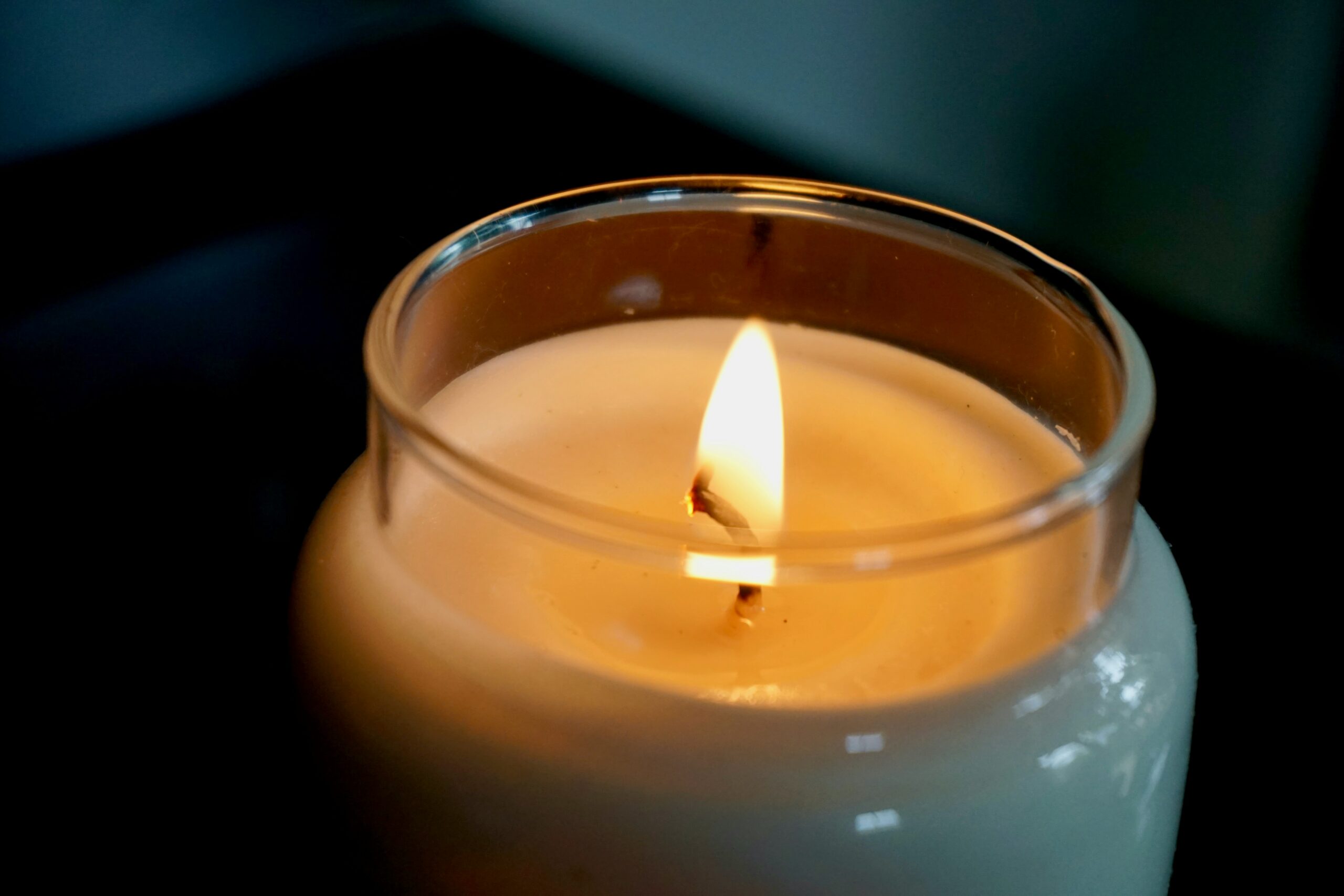
An empty candle jar can be too useful to throw away, but getting the last layer of hardened wax out can be surprisingly frustrating. If you are wondering how to get wax out of candle jar, the key is not simply to scrape harder. Using heat and cold, as well as a controlled melt, the wax in your jar may loosen.
Depending on the amount of wax that has been left, the type of jar you are using and whether or not you hope to continue to using this jar as well after this method as after some other common cleaning or maintenance jobs, this process is quite simple. For the most part, you can stick to basic, commonly possessed, equipment.
Some ice and heat can provide an answer to just about any stray piece of melted wax.
We will touch on where and when to use these methods as well as some helpful do and don’ts after the wax is successfully removed from the vessel.
Why Candle Wax Gets Stuck in a Jar
Candle wax doesn’t adhere to glass in the way that glue does, but as it’s a cooling product that can firmly set itself in place within the jar, you will sometimes be left with a residue. That is of course on top of those stubborn thin residues that stick to the bottom and inner walls of the jar that are far too slippy to pick out easily. What makes things simpler is the fact that temperatures will cause candle wax to harden and soften.
It’s therefore a choice between forcing it out, or letting it be soft enough to easily take out.
The National Candle Association have stated that freezing a candle holder is one of the best ways to get wax out since it’ll contract with the lower temperature, while freezing candle wax for easier removal can also make hardened residue easier to separate from the glass. This knowledge alone is sure to make selecting your removal method a lot simpler.
How to Get Wax Out of Candle Jar: Choose the Right Method
There is no single best technique for every candle jar. A thick layer of wax may respond well to freezing, while a thin residue may be easier to remove with gentle heat.
Here is a practical comparison:
| Method | Best for | Main advantage |
| Freezer method | Thick, solid wax | Wax contracts and can pop out |
| Hot-water bath | Softening stubborn wax | Gentle and simple |
| Warm-water method | Thin residue | Easy cleanup |
| Controlled double-boiler approach | Large amounts of remaining wax | Efficient softening |
| Spoon or plastic scraper | Loose hardened pieces | Helps remove chunks |
| Hair dryer | Small amounts of residue | Precise heating |
| Final cleaning | Oily or scented residue | Leaves jar ready for reuse |
The condition of the jar matters just as much as the amount of wax. If the glass is cracked, chipped, extremely thin, or not intended for heat exposure, choose a method that minimizes temperature changes.
Method 1: Freeze the Candle Jar
How to remove wax From Jar If you have a significant amount of solidified wax to deal with, freezing it is an easy strategy that has a good probability of working. The concept is simple enough: as the temperature drops, the wax will pull in on itself, potentially shrinking sufficient to release from the edges of the jar for uncomplicated extraction. To soften any remaining wax into a cohesive chunk that is simple to remove, the National Candle Association suggests leaving the candleholder in your freezer for a hour or two.
How to do it
Ensure that all of the candle wax has completely set and the jar is dry. Put the jar into the freezer and leave it for about an hour.
Take the container out of the freezer and let it stand for a few minutes before the outside will be cool enough to touch. Turn the container upside down, over the area you have protected, and tap the bottom firmly.
If this is not successful gently insert a blunt object such as a spoon, or a plastic knife, or scraper around the edge of the wax container working it around; do not try to rip the wax out just carefully pry with the blunt object.
What you do not want is to be trying to get it out with something sharp and metal, knives etc can be seen to encourage glass candle holders to break, by scratching or weakening the glass according to the National Candle Association.
When freezing works best
This method is particularly useful when there is a relatively thick block of wax left at the bottom of the jar. It is less convenient when only a very thin film remains.
Method 2: Use a Hot-Water Bath
If freezing does not remove everything, warm or very hot water can soften the remaining wax.
Good Housekeeping recommends placing the jar in a bath of very hot water and replacing the water as it cools. As the wax softens, it can be removed by hand or with a spoon.
Step-by-step process
First and most importantly, ensure the candle is properly and completely extinguished and has cooled off. Pop the candle in an old container or sink. Very hot water ( not extreme boiling hot) should be poured round the jar and not down the side into the old glass.
Let the hot water help to soften the wax.
When it comes loose, use the spoon to scoop it all out carefully. If it’s still too hard, just let it go a bit longer before trying to prise the softened wax out again! After you have scooped most of the softened wax out of the jar, you must let the water to cool down a bit and then get rid of the remaining wax.
Why this method works
The heat is absorbed into the glass then into the wax and heats up the wax. This is less physical than scraping for that reason.
Another point to note about the temperature is the changing of the temperature. If the glass gets too hot it can crack if the glass itself cannot take a wide span of temperatures. Candle containers are made for candles-that is all, some ordinary glasses cannot take drastic changes in temperature.
Method 3: Remove Small Wax Residue With Warm Water
Sometimes the main block of wax is gone, but a thin greasy layer remains on the bottom or sides.
At this point, you do not need to repeat an aggressive removal process. Instead, soften the residue and clean it gradually.
Fill the jar with warm water and allow it to sit for a while. The remaining wax should become softer. You can then wipe the interior with a paper towel or cloth and wash the jar with dish soap.
This approach is especially useful for jars with only a small amount of wax remaining.
One important disposal rule applies here: safe candle wax disposal methods should never involve deliberately pouring large amounts of melted wax down a household drain. Wax can solidify as it cools and may contribute to plumbing problems. Removing the softened wax and placing the solid waste in the appropriate household trash is generally a more practical approach.
Method 4: Use Controlled Heat for Stubborn Wax
Warm Slowly with External heat The double boiler method is effective when a lot of wax remains, but needs a lot of attention. You want to heat the container indirectly instead of subjecting it to sudden heat. Put your candle jar in a large bowl of warm, and gradually heat the water more, then scoop out softened wax with a spoon or another flat-edged object, without getting out of your chair.
Make sure not to leave your candle jar unattended and especially not to expose your jar directly to the heat or flames.
The National Candle Association notes that all candles and containers should be handled with fire safety in mind, including the selection of containers that will serve candles. This is good for times that a lot of wax didn’t loosen during the freezing stage.
Method 5: Use a Hair Dryer for a Thin Layer
Another Use for a Hair Dryer The hair dryer can be useful when there is only a small patch of wax clinging to the inner sides of the jar. The beauty of this application, of course, lies in the measure of precision it offers. Instead of heating up the entire jar, you can heat up an area until the wax melts.
Using your hair dryer on the outside of the jar, aim a stream of warm (not hot!)
air at the spot of wax. Gently move the hair dryer around the surface, rather than holding it in one place. As the wax melts, wipe it away with a paper towel. This method is best applied to small areas only and will work better for that than trying to melt a whole block. – Please remember that flammable materials and electricity are never a good mix.
Use extreme caution with this method.
Method 6: Remove Hardened Pieces With a Spoon or Plastic Scraper
For even better results use the temperature treatment and then physical removal together. If the wax has become brittle from freezing, a spoon can be employed to remove each section, or a plastic scraper can remove the glass. A plastic scraper is helpful because it is much less likely to damage the glass than is a sharp metallic implement.
Start around the edges, then, once you’ve worked the smallest separation possible between the wax and the glass, continue to chip away progressively, rather than digging directly into the wax.
While this is a very simple, in practice, procedure, the underlying cleaning principle is an essential one. Use the minimum force required. A difficult chunk of wax is often, after the temperature has been manipulated, more easily removed by other means than a hard poke.
Method 7: Clean the Jar After the Wax Is Gone
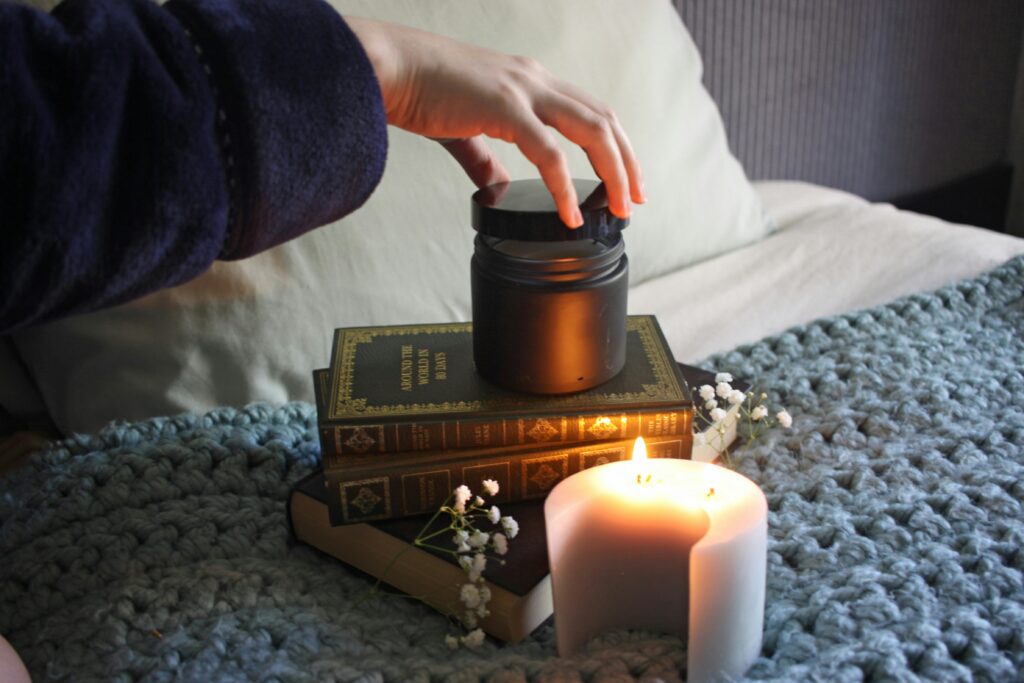
Removing visible wax is just one step in getting the jar ready for reuse. The wax can leave trace scent or, more commonly, soot or adhesive from the label or the actual melted wax adhered to the bottom as a thin layer of wax. Use warm, dishwashing fluid, scrub on both the outside and inside of the jar and rinse well, and pat to dry.
You may be able to remove tougher stuck-on wax residue, from where the labels clung as well, using a commonly found household adhesive or stain-cleaning product; while Good Housekeeping suggests any adhesive or laundry stain remover for wax that remains on the jar following this, be sure to rinse well.
Never combine household cleaning products simply because one or another has failed: use one in the prescribed fashion, rinse away appropriately, and then move onto another idea if the second one continues to be problematic.
What about candle fragrance?
Wash The Container If it’s not a designated food jar, a scented candle could leave traces behind even once you remove all of the candle material. Try using hot water and a degreasing soap to see if this will wash out all traces. Do it more than once if needed, and always be sure to rinse it thoroughly and allow it to dry fully to help get rid of any persistent odor.
Safety Rules That Matter More Than Speed
Wax removal is a simple household task, but there are a few mistakes worth avoiding.
Never scrape glass with a knife
A sharp blade can scratch or weaken glass. The National Candle Association specifically advises against knives and sharp objects for removing candle wax from glass candleholders.
Use a spoon, plastic scraper, or another blunt tool instead.
Do Not Pour Water Onto a Burning Candle
If you are preparing the jar for cleaning, the candle must already be extinguished and completely cool.
The National Candle Association warns that water should not be used to extinguish a candle because it can cause hot wax to splatter and may cause the glass container to break.
Be careful with temperature changes
Don’t jump between drastically different temperatures quickly (like putting a cold glass jar in extremely hot water immediately), because thermal shock will likely damage the jar. This is especially true if your jar is damaged or if you aren’t sure whether it was designed for candle temperatures.
Do not put melted wax down the drain
Wax can cool and solidify inside plumbing. Collect removed wax instead of intentionally washing substantial amounts into the sink.
Keep heating methods supervised
If you are using hot water or another heating method, remain present and keep the work area clear of combustible materials.
Common Mistakes People Make
Trying to remove wax while it is still extremely hot
Hot wax can burn skin, and moving a hot candle container can create additional risks. Let the candle cool before beginning.
Chipping aggressively at the bottom
The goal is to separate the wax, not to force it out. Excessive scraping can damage the container.
Using boiling water without considering the glass
Very high heat is not automatically better. Controlled heating is more sensible than exposing a cold container to a sudden extreme temperature.
Cleaning the jar before removing the bulk wax
Soap and water are useful for residue, but they are not the most efficient way to deal with a thick block of hardened wax. Remove the bulk first, then clean the remaining film.
Assuming every glass jar can be reused as a candle container
Candle holders weren’t meant for candles as such, and a jar that previously held a candle for you isn’t necessarily compatible with a new one. Candles have to meet specific safety and heat standards-for a reason. In fact, the National Candle Association recommends against burning candles in regular glasses not made specifically to contain flames.
Which Wax Removal Method Should You Choose?
The easiest solution: If it looks like you’ve got a lot of wax left, stick it in the freezer. Your wax will shrink as it freezes and pop out most of the time, and you won’t have to work hard at all. For tiny leftover amounts or melted-in wax: Use a bit of warmth for a bit more pressure to coax the wax out.
If it seems like a lot of wax to scoop out: Using the hot water method described above (so the wax melts enough to be scooped out in spoons) also works and good to know for when you want to clean your candle jars, according to Good Housekeeping’s tips for cleaning candle jars.
Often a mix of the two works best: get most of the wax out with temperature, then gently scrape out what’s hard, and scrub away the last bit.
How to Reuse a Clean Candle Jar
The jar can generally be used again once the wax has been removed and it is completely clean and dry, especially when following candle jar reuse ideas suited to the condition of the container. The National Candle Association is the source for the mention of candles’ re-use and actually provides examples such as being re-used as planter, among other crafts. Small craft and/or office materials, various decorative items, as well as some household use may be appropriate.
When repurposing your container, if you see any chips, cracks, severe scratches or any other defect in the glass, recycling may be the safer choice.
If repurposing for cosmetic or food storage check whether your vessel actually fits your application and does not simply presume that “clean glass” must be suitable.
A Better Way to Think About Candle Wax Removal
The most useful lesson is that candle wax does not have to be fought with force.
Think of the process as three stages:
Loosen → Remove → Clean.
First, change the wax’s physical condition through cooling or gentle warming. Next, remove the bulk material with a blunt tool. Finally, wash away the remaining oily or scented residue.
This approach is more controlled than immediately reaching for a knife or trying to scrape every piece away.
It also makes the process adaptable. A thick wax block, a thin residue, and a heavily scented jar are different cleaning problems even though they all involve “leftover candle wax.”
Final Takeaway
Learning how to get wax out of candle jar becomes much easier once you understand the role of temperature. Freezing can make wax contract and release, while controlled warmth can soften stubborn residue. A spoon or plastic scraper can then remove loosened pieces without unnecessarily damaging the glass.
For a few of the jars, what you want to do is work down the least to most aggressive techniques until the jar is clean. Scoop out most of the wax, then wash the leftovers off by using a wash with warm soapy water, and do not use sharp objects or to put the hot jar into hot water. With a bit of patience, you can clean a candle container to its former potential.
Frequently Asked Questions
1. What is the easiest way to get wax out of a candle jar?
For a substantial amount of hardened wax, freezing the jar is one of the easiest approaches. Cooling allows the wax to contract, which can make it easier to remove. The National Candle Association recommends freezing candleholders for about an hour or so for this purpose.
2. Can I pour hot water into a candle jar to remove wax?
Hot water can soften candle wax, but use caution with the glass. A safer approach is to use controlled heat and avoid exposing a cold or damaged glass container to a sudden extreme temperature change. Good Housekeeping recommends using a very hot water bath to soften wax in candle jars.
3. How do I remove wax stuck to the bottom of a glass candle jar?
Try freezing the jar first. If the wax remains attached, gentle warmth can soften it. A spoon or plastic scraper can then help lift the loosened wax. Avoid using a knife or other sharp metal object because it can scratch or weaken the glass.
4. Can I put candle wax down the sink?
It is better not to intentionally pour melted candle wax down the drain. Wax can cool and solidify inside plumbing. Instead, remove the wax from the jar and dispose of it with appropriate household waste.
5. How do I get the candle smell out of the jar?
After removing the wax, wash the jar thoroughly with warm water and dish soap. Fragrance can persist after the visible wax is gone, so repeated washing and complete drying may be necessary. For particularly persistent residue, use an appropriate cleaning product according to its label.
6. Can I reuse an old candle jar?
Yes, a clean and undamaged candle jar can often be repurposed for suitable household uses. However, do not automatically assume that every candle jar is appropriate for food storage or for making another candle. Containers intended for candle burning have specific safety considerations.
7. Why should I avoid scraping candle wax with a knife?
A knife can scratch or weaken glass, potentially increasing the chance of breakage. A blunt spoon or plastic scraper provides a gentler way to loosen hardened wax. The National Candle Association specifically advises against using knives or sharp objects on glass candleholders.
Conclusion
Knowing how to get wax out of candle jar is mostly about choosing the right approach for the amount and condition of the leftover wax. Freezing helps shrunken wax lift off, while consistent heat is key to dealing with hardened, problematic residues. The National Candle Association suggests the freezer technique as an accessible option and stresses the dangers of using knives or any sharp implements that could gouge or compromise the integrity of the glass.
After the majority of the wax is off the jar, use warm, soapy water to clear the remainder of any film, scent or dust from within. Be patient. Don’t plunge a cold glass jar into extremely hot water or vice-versa. Don’t use any more sharp implements if wax stubbornly holds on. With the correct process, that seemingly waste candle jar should be safe and repurposed in no time.