How to Get Burnt Smell Out of House
You may walk into a room hours, days, or even years after the offending event and detect a lingering smoky odor. Whether the issue was burned food on the stove or in the microwave, excessive heat from an appliance, a fire in a fireplace, a micro fire in the kitchen, or smoke wafting in from a neighbors barbecue or even fire, odor molecules have found a new home in your house.
These smell particles have a tendency to embed into anything that is porous like walls, clothes, curtains, carpets, cabinetry, furniture, upholstery etc. Opening your windows or spritzing some air freshener may initially mask the aroma, but without actually eliminating the particles those tell-tale signs and smells will be back for round two.
Understanding how to get burnt smell out of house requires looking at the problem in two parts: the air and the surfaces, while following EPA indoor air quality guidance can help you choose appropriate ventilation and filtration strategies.
Ventilation and filtration may limit what remains airborne, while cleaning rids the space of smoke residue. The EPA states that ventilation, filtration, and source control are essential building blocks for good indoor air quality.
There is an even bigger distinction here with safety. The scent of burnt toast is one thing; a smell of burning plastic from an outlet, appliance, wall, or panel is a different danger. Odor control is not your main concern if the source of a burning smell is unclear, or if you encounter the evidence of an actively burning fire, smoke, heat, sparks, or electrical issues.
Vacate the structure immediately and tackle the immediate threat.
The U.S. Fire Administration suggests to evacuate immediately at first sign of fire, and to call the electric company or a qualified electrician with regard to smells like plastic at the source of an outlet or switch according to the Consumer Product Safety Commission.
Why a Burnt Smell Lingers After the Smoke Is Gone
Smoke is not only an odor. The combustion can produce both gases and particulate matter, while the residues can remain on many types of household furnishings.
The soft furnishings are particularly important in this context. This is because such materials as linens, carpets, curtains, bedding, upholstery, and others retain the smoke odors. According to the FEMA guidelines for home restoration after a fire, the removal of the smell of smoke from such materials as linens and upholstery is necessary even if their appearance was not affected.
Various hard surfaces contribute to this problem as well. For instance, walls, ceilings, cabinets, floors, counters, and other surfaces can retain the smell of smoke.
This is the reason why even if you aired out the room, the burnt odor will still be present in the house or apartment after several hours or days. It can happen that you have managed to remove part of the smoke from the air, but the materials in the room retained the odor and now release it back.
The source matters more than the fragrance
A burnt smell from food cooked too long is generally a much smaller cleanup problem than odor following a fire that produced soot and ash throughout a home.
The distinction can be useful:
| Situation | Main concern | Appropriate response |
| Burnt toast or food | Localized cooking odor | Remove food residue, ventilate, clean kitchen surfaces |
| Burnt pan | Smoke plus oily residue | Clean pan and nearby surfaces, ventilate, wash fabrics |
| Overheated appliance | Possible electrical or mechanical problem | Stop using appliance and determine whether it is safe |
| Fireplace smoke | Smoke and combustion residue | Ventilate when safe and investigate fireplace/chimney performance |
| Small contained fire | Smoke, soot, and odor residue | Clean affected surfaces and porous materials carefully |
| Significant house fire | Extensive smoke/soot contamination | Professional fire restoration may be necessary |
| Unknown burning smell | Potential active hazard | Investigate safely; prioritize fire/electrical safety |
The cleaning method should therefore be proportional to the event.
How to Get Burnt Smell Out of House Step by Step
1. Remove the Original Source
Begin with the source of the smell
Remove any food that has been badly burned, and get rid of any charred packaging, paper, or other materials that might be there. If the pan, the baking tray, the toaster, or another appliance is the one that gave off the smell, clean it rather than leaving it in the kitchen.
If food was burned in the oven, let it cool down before wiping it according to the manufacturer’s instructions.
Perhaps this goes without saying, but it is crucial to eliminating bad smells from the kitchen: make sure that the source of the smell is no longer emitting any odors. This is especially important if the smell came from an appliance rather than from food. If the appliance stopped making smoke, it does not mean that it is no longer dangerous. If you notice the smell of burning plastic, a warm circuit breaker, flickering lights, or sparks, call a specialist.
2. Ventilate the House When Outdoor Air Is Suitable
Once the source has been cleared and the immediate danger of fire is past, ventilating the space can help to clear indoor air of contaminants.
Open windows and doors that have an exterior source and use fans to draw the smoky or contaminated air out.
In a kitchen, a range hood can help to clear the air of cooking related odors and contaminants, assuming it is exhausting to the exterior.
Ventilation is not always desirable as a means of clearing the indoors of contaminants, however, especially if the outside air contains undesirable pollutants like wildfire smoke.
The EPA recommends airing out your home when the outside air is clean, rather than trying to continuously clear the inside air of contaminants by leaving windows open.
That’s the difference between clearing the odors and between actually replacing the contaminated indoor air with clean, uncontaminated air.
3. Clean the Surfaces Where Smoke Settled
If burnt food produced a noticeable amount of smoke, clean the nearby hard surfaces.
Start with areas close to the source, including:
- Cabinet fronts
- Countertops
- Backsplashes
- Walls
- Floors
- Appliances
- Tables and other nearby furniture
For light smoke residue, water and a mild detergent or appropriate all-purpose cleaner may be enough for the task. According to FEMA guidelines for residential smoke damage, walls and ceilings should be wiped down with water and mild detergent or appropriate all-purpose cleaner after the hidden room has been tested.
Not every surface requires a heavy cleaning solution.
Wet cleaning may damage wood, paint, electronics, natural stone, or other surfaces, so it is necessary to check the specifications provided by the manufacturer and test an inconspicuous area before wiping down delicate surfaces.
4. Wash Smoke-Exposed Fabrics
If your curtains, kitchen towels, table linens, clothing, bedding, or washable upholstery covers have been contaminated with smoke, wash them according to care instructions.
Fabrics can hold odors even after the room has been aired out. Washing eliminates odor-causing materials rather than simply masking them, consistent with FEMA smoke cleanup guidance for smoke-affected household materials.
If there has been a large amount of smoke, FEMA recommends cleaning bedding, towels, and clothing that have visible soot and cleaning other soft goods such as couches, mattresses, pillows, pet beds, and stuffed toys.
If there is no visible soot but the fabric has a smoky odor, washing may be enough to remove the smell, but heavily contaminated items may need more thorough cleaning.
5. Clean Carpets and Upholstery
Carpet and upholstered furniture can act as reservoirs for smoke odor because fibers and padding are absorbent.
For light exposure, vacuuming can help remove settled particles. If smoke or soot contamination is substantial, FEMA recommends a HEPA-filtered vacuum for carpets and soft goods during smoke cleanup.
A regular vacuum may not be suitable if there is a heavy amount of fine soot since disturbing the contaminated material may result in spreading the particles.
When cleaning, be sure to adhere to the manufacturer’s care code for upholstery. Do not apply excessive moisture to cushions that are not designed for wet cleaning.
If there has been a major fire, it is better to call professional cleaners since smoke may have penetrated into the fibers and regular cleaning may not be sufficient.
6. Use Activated Carbon for Lingering Odor
Activated carbon, sometimes referred to as activated charcoal, can be used to absorb certain gaseous emissions,
according to FEMA’s instructions for homeowners.
The agency recommends using bags or containers of activated charcoal to absorb smoke odors from a home after a fire, but says to avoid using perfumes or other odor-masking products to remove the smell of smoke, since these will not effectively eliminate the odor from the air.
Charcoal is best used as an additional aid to cleaning, not as a main method of odor removal.
For example, if there is still some smoke smell clinging to a wall or piece of furniture after you’ve cleaned it, the carbon will not remove the smell directly, but it can help to eliminate some of the odor in the air around it.
Activated carbon versus baking soda
Baking soda is often suggested as a household odor absorber, but activated carbon is more directly supported in FEMA’s residential smoke-remediation guidance for smoke odors.
That does not mean baking soda is useless. An open container may help with some localized household odors. However, it should not be treated as a complete smoke-remediation method after a fire.
7. Use Air Filtration for Persistent Airborne Smoke
A portable air cleaner can be a valuable tool in removing particulate matter from inside the room.
According to the EPA, the use of portable air cleaners and high-efficiency furnace filters can help remove the smoke particles from the indoor air. EPA suggests using the MERV 13 or higher-rated filter for central HVAC systems, if compatible.
Meanwhile, a portable air cleaner requires a HEPA filter for the removal of particulate matter and activated carbon for the elimination of gases.
The two different types of air cleaning technologies have different purposes.
An air cleaner, which is excellent at removing particles, may not be as efficient at eliminating odors if it lacks sufficient activated carbon.
On the other hand, carbon filters are ineffective at removing particulate matter, including the fine particles of smoke.
Therefore, the combination of the two is more effective at eliminating the indoor smoke-related odor than either of them used alone.
Keep the air cleaner correctly sized
An air cleaner works within the room or area for which it is designed. EPA notes that portable air cleaners are intended to provide cleaner air for a single room, while HVAC filtration can address air throughout the home.
Running a small purifier in a large open-plan home may therefore produce disappointing results. The issue may not be that the technology is ineffective; the device may simply be undersized for the space.
8. Replace Contaminated HVAC Filters
If the smoke has infiltrated the house, check the HVAC filter.
It might have captured some of the pollutants, but it must not be dirty or full of smoke. EPA suggests maintaining your filters and changing them when necessary according to the manufacturer’s instructions, and perhaps more often during the period of intense smoke.
However, there is one crucial consideration if there had been substantial soot or ash in your residence.
FEMA does not recommend turning on the air handler until the bulk of the particulate matter is cleared since doing so would cause the contaminated air to pass through the system and redeposit on the furnishings.
Thus, it is essential to determine the extent of the smoke’s penetration into the house:
If there was a minor amount of cooking food odor, it should be fine to let the HVAC system do its job. However, if there is a noticeable amount of soot or smoke, it may be necessary to clean it up before attempting to circulate the air in the building.
9. Clean the Air After Cleaning the Room
After the source is removed and contaminated materials have been cleaned, maintain filtration and ventilation as needed.
Sequence is important. If you’re running an air cleaner at the same time that the source is still off-gassing smoke, or if there are still really heavily contaminated materials in the room, you’re just asking the air cleaner to make up for an problem that isn’t being addressed yet.
EPA’s overall indoor air quality philosophy is based on these three synergistic approaches: remove the pollution source, ventilate properly, and filter or clean the air.
That approach is more sound than trial-and-error deodorizing.
What Not to Use to Remove a Burnt Smell
Avoid simply masking the odor
Air fresheners, perfumed candles, burning incense, and perfumes-they’ll mask the odor but not the source. The FEMA guideline says odor counteractants that are scented (perfume-based odors) and odormaskers aren’t the best options for post-fire conditions, but will add in a layer of other odor instead of solving the issue of odor from contamination. Candles are one of the worse of the bunch to light after a cooking mishap: That’s introducing more combustion.
How to do it not so- The last major point of emphasis: Don’t rent an ozone generator (and DIY) As for your, “I’ll just buy an ozone generator!”
approach, the FEMA directive clearly advises against this. The agency has determined, after some testing, that the use of ozone generators to eliminate odor not only adds more-it creates byproducts, such as those that can result from ozone interacting with other materials.FEMA recommends not generating ozone in occupied areas of the home and states that remediation using an ozone generator, if necessary, should be performed by qualified professionals in an unoccupied area.Again, that power doesn’t mean it’s OK to do it yourself at home!
Do not mix cleaning chemicals
Never combine household cleaning products simply because each seems useful independently.
The U.S. Fire Administration warns that household chemicals can be dangerous and advises following product labels and not mixing products because chemical reactions can produce dangerous gases or fires.
For routine smoke cleanup, a mild cleaner used according to its label is usually a better starting point than an improvised chemical mixture.
How to Get Burnt Smell Out of a Kitchen
Remedies for bad smells in a household kitchen
Often, the simplest course of action is to focus on eliminating the source of the smell.
Most importantly, remove the food that has been burned and burnt. Clean the cooking tools and utensils, the stovetop, oven walls, range hood, backsplash, cabinets, and countertops. Wash the kitchen towels and other fabrics that may have been affected by the smoke.
If there is a need to clean inside the oven from burned food, it is necessary to wait until the appliance has cooled down and to follow the manufacturer’s instructions.
It’s a good idea to clean the range hood’s filter as well since it accumulates grease and smoke.
After eliminating the sources of smell, it is possible to remove the odors by ventilating the room if the outdoor air is suitable. Otherwise, using an air purifier that has a proper capacity for the room and that filters both particles and carbon is an option.
How to Get Burnt Smell Out of Carpet and Furniture
Soft furnishings are frequently to blame if a room still smells of burnt after the kitchen has been cleaned.
To begin, washable covers, curtains, blankets, and other textiles should be cleaned in accordance with the care instructions.
Vacuuming carpets and upholstery is recommended. If there is a noticeable amount of soot, a HEPA vacuum is advised because it is designed to remove fine particulate matter from carpets and other surfaces. According to FEMA, HEPA vacuuming is recommended for home furnishings after a fire.
If the scent persists, it may be necessary to delve deeper into the padding of the carpet, the stuffing of the upholstery, or other materials that were not apparent during the initial visual inspection.
The issue is that trying to mask the stench by spraying perfume on the material will not help if the smell has infiltrated deeper.
How Long Does a Burnt Smell Last?
There is no universal timeline.
A small amount of burnt food may leave an odor that disappears after ventilation and cleaning. A larger smoke event can produce a persistent smell because smoke residues remain on absorbent materials and surfaces.
The severity of the original smoke event, the amount of material burned, ventilation, room size, surface materials, HVAC operation, and the extent of cleaning all affect how long the smell remains.
A useful way to judge progress is not simply by asking whether the house smells better immediately after ventilation. Close the windows and doors for a period after the air has been cleaned, then reassess. If the odor returns strongly, an underlying source or contaminated material may still be present.
When a Burnt Smell May Indicate a Safety Problem
Not every burning smell is a cleaning problem.
If you smell burning plastic, wiring, rubber, or an unexplained electrical odor, investigate the possibility of an appliance or electrical fault rather than trying to deodorize the room.
Warning signs can include:
- A warm or hot electrical outlet
- Flickering lights
- Sparks or arcing
- Smoke from an outlet or switch
- A burning-plastic smell concentrated near electrical equipment
- Repeatedly tripped breakers
- An appliance that becomes unusually hot or smells abnormal
The CPSC identifies several of these signs as indicators of electrical-system problems and recommends qualified professional evaluation rather than DIY electrical repairs.
If there is active smoke or fire, get everyone outside and contact emergency services. The U.S. Fire Administration emphasizes that smoke and toxic gases are major dangers during fires and advises getting out when fire or smoke is present.
When Professional Smoke Remediation Makes Sense
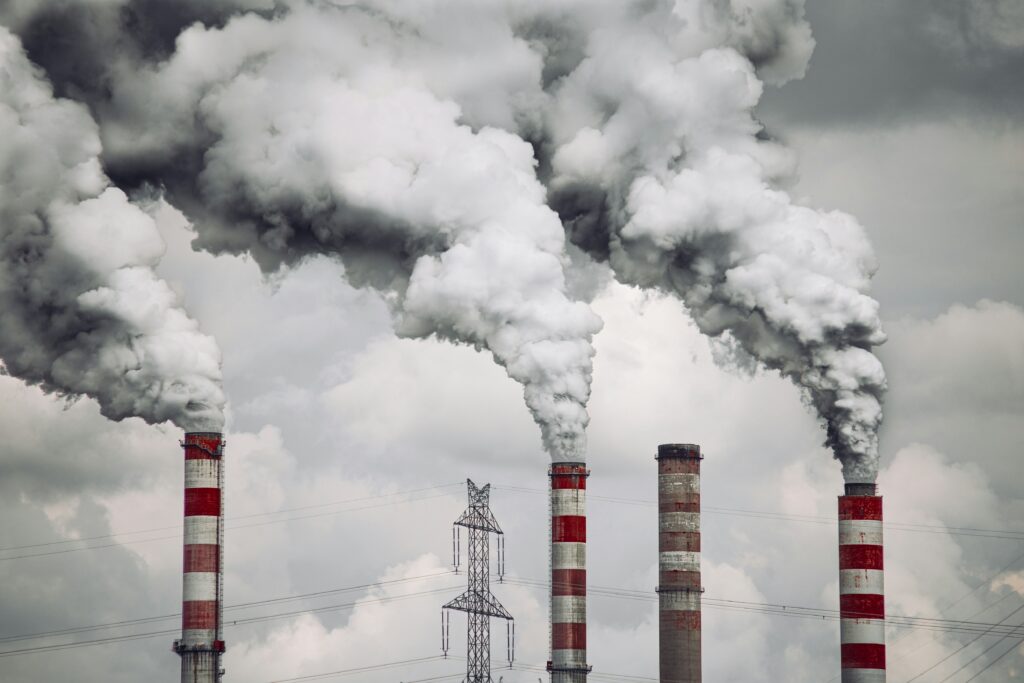
Professional restoration becomes more appropriate as the amount of smoke damage increases.
A professional assessment is worth considering when:
- Multiple rooms smell strongly of smoke.
- Walls or ceilings have visible soot.
- Smoke entered the HVAC system.
- Carpets and upholstery have substantial contamination.
- A fire affected structural materials.
- Odor remains after thorough cleaning.
- The property has extensive porous materials that absorbed smoke.
- You are dealing with an insurance claim after a fire.
FEMA notes that moderate smoke damage may require detailed cleaning and that deeper cleaning and restoration can become necessary when odor remains after initial steps.
Professional remediation is not simply about making a room smell pleasant. It is about removing smoke residues and contaminated materials in a controlled manner.
Common Mistakes That Keep the Smell Around
The most common error is focusing on the air, not the source. If not cleaned up properly, the smell will linger no matter how many times you clean the air with a new bunch of candles, Febreze, or whatever else.
Another mistake is using perfumes, incense, or other highly-scented products to overpower the smell of smoke rather than actually removing it.
The third mistake is opening windows when pollution levels are high outside. The EPA suggests doing so only when the outdoor air is clean enough to breathe. On days with lots of smoke, you should keep windows closed to prevent any unwanted air from entering your home.
When there’s been a fire or the air has been contaminated, it’s not advised to try and use your heating or air conditioning if you’re not sure whether there’s a significant amount of soot in your air handler. FEMA has actually warned against it.
And last but not least, using an ozone generator to help clear the air. It may seem like a good idea at first, but a lot of people have found it to be a problem when it comes to the indoor air quality. The EPA has warned homeowners against it for standard home fires.
A More Effective Way to Think About Burnt Odor Removal
The most useful approach is to treat the problem as a chain: Source → residue → surfaces and fabrics → indoor air → filtration → reassessment, using practical home cleaning and odor removal tips throughout the process.
Source → residue → surfaces and fabrics → indoor air → filtration → reassessment
Removing the source stops new odor from being produced.
Cleaning surfaces removes deposited residue.
Washing fabrics addresses absorbent materials.
Ventilation replaces contaminated air when outdoor conditions are suitable.
Filtration captures airborne particles and, when activated carbon is included, can help address certain odor-causing gases.
Reassessment tells you whether the source has actually been eliminated.
This approach is more reliable than searching for a single substance that supposedly absorbs every type of burnt smell.
Final Analysis
Learning how to get burnt smell out of house is fundamentally a source-removal problem, not a fragrance problem. If the odor came from burnt food, begin by removing the burned material and cleaning the affected kitchen surfaces. Then wash smoke-exposed fabrics, clean carpets and upholstery as appropriate, ventilate when outdoor air is clean, and use suitable air filtration for lingering airborne particles and odors.
Activated carbon can be used for odor removal, whereas HEPA filtration is more efficient against airborne particulates; however, the EPA recommends combination cleaning methods, not focusing on one type of pollution control.
It is essential to evaluate the severity of the case – in some instances, when there was minor damage, it may be enough to call local hazmat cleanup services. On the other hand, heavy smoke presence in the air, visible soot, the smell lingering for a long time after the fire, or any damage to the HVAC system requires professional help.
The most crucial point is that if the smell of something burning cannot be localized, it should not be masked. If the odor originates from an electrical outlet, a specific smell of wires and burning plastic indicates an electrical fire hazard that needs to be addressed by professionals.
The aim of the intervention is not to cover up the unpleasant odor of a fire by making the house smell nice and clean – the goal is to eliminate the source of the smell and improve the air quality.
FAQs
1.What is the fastest way to get a burnt smell out of a house?
For a minor cooking incident, remove the burned food or material first, ventilate the home when outdoor air quality is suitable, clean nearby surfaces, wash smoke-exposed fabrics, and use an appropriately sized air purifier if needed. Masking the smell with fragrance is usually less effective than removing its source.
2.Does vinegar remove burnt smells from a house?
Vinegar is commonly used as a household odor remedy, but it should not be considered a universal smoke-removal solution. For persistent burnt odors, source removal, surface cleaning, ventilation, and appropriate filtration are more fundamental approaches.
3.Does baking soda absorb burnt smells?
Baking soda may help with some localized household odors, but it should not be relied upon as the primary solution after significant smoke exposure. Activated carbon is specifically recommended by FEMA as an odor-absorption option for smoke-affected homes.
4.Will an air purifier remove a burnt smell?
It can help, but effectiveness depends on the type of purifier and the odor source. HEPA filtration primarily addresses particles, while activated carbon can help with certain gases and odors. An air purifier cannot replace cleaning when smoke residue has settled on surfaces or fabrics.
5.Should I use an ozone generator to remove smoke odor?
Not as a routine DIY treatment. EPA warns against using ozone generators for smoke-odor remediation because ozone can react with other chemicals and create potentially harmful byproducts. Professional use requires an unoccupied space and controlled procedures.
6.Why does my house still smell burnt after I cleaned the kitchen?
The odor may have transferred to curtains, towels, upholstery, carpet, walls, cabinets, or other absorbent materials. HVAC filters or contaminated air ducts can also matter after a larger smoke event. Cleaning the original source alone may therefore not remove all residual odor.
7.What should I do if I cannot find the source of a burning smell?
Treat an unexplained burning odor as a potential safety issue rather than immediately trying to deodorize it. Check for obvious signs of an electrical or appliance problem without putting yourself at risk. If there is smoke, heat, sparks, or a strong unexplained burning-plastic smell, leave the area and contact the appropriate emergency service or a qualified professional. Electrical warning signs should not be handled as an ordinary cleaning problem.
Conclusion
Learning how to get burnt smell out of house starts with removing the source and then addressing the smoke and odor that have settled into the air, surfaces, and fabrics. Open windows, use exhaust fans and improve airflow first, then clean affected hard surfaces and wash or deodorize fabrics that may have absorbed the smell.Using baking soda, activated charcoal, and an air purifier with appropriate filters can help absorb lingering smells; however, they are not an effective solution on their own, and ought to be used in combination with a thorough cleaning.
If the smell persists, particularly in the case of a fire, or if the odor appears to be coming from the heating or air conditioning system, it may be necessary to call in professionals to clean the ductwork and other surfaces that may have been infiltrated by smoke particles. With diligent cleaning and ventilation, the unwanted odors should be removed, restoring your home to a comfortable, welcoming environment.