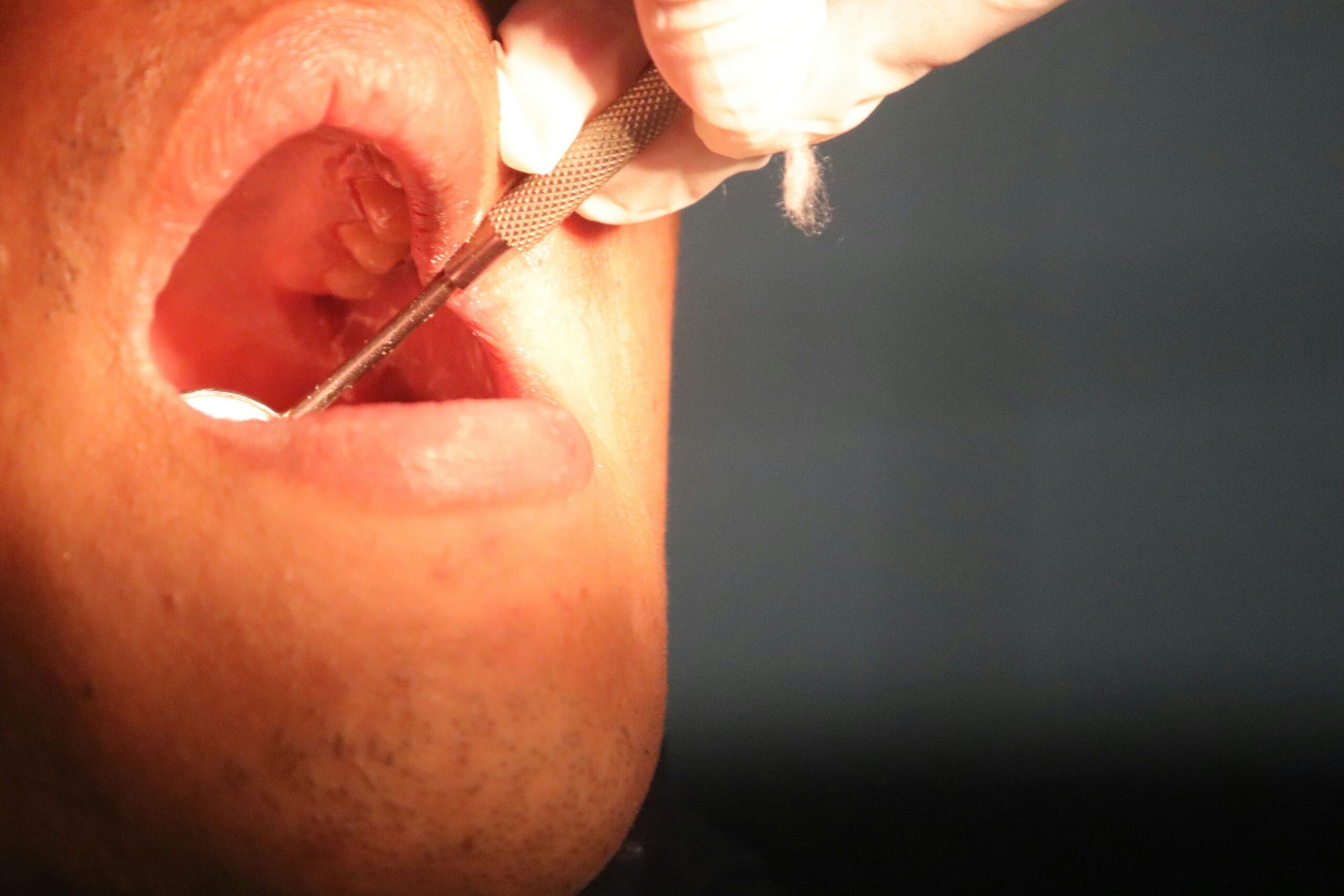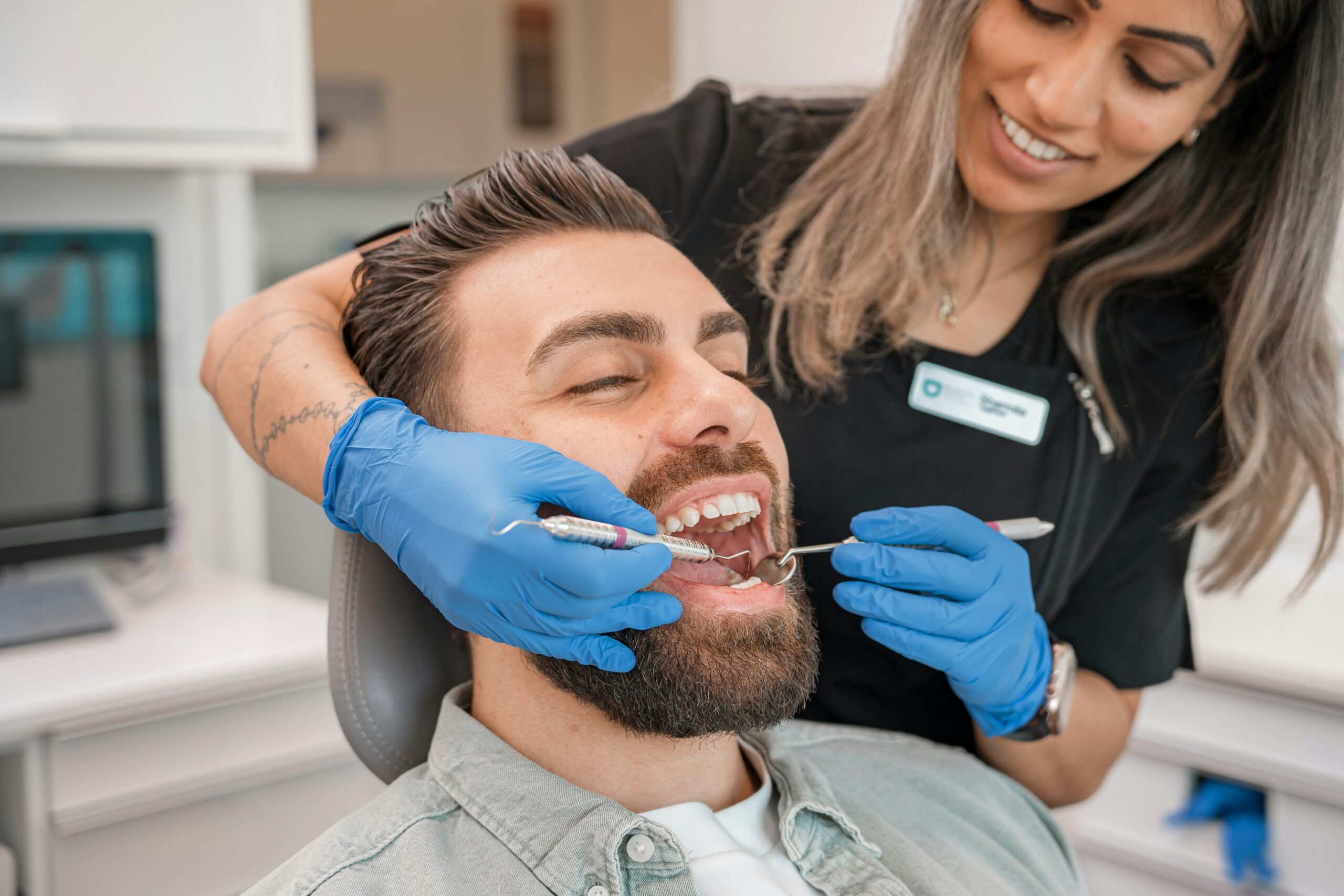
Walking out of the dental office with a newly restored tooth often leaves you with an immediate, practical dilemma: you are hungry, but your mouth feels numb, clumsy, and sensitive. If you are sitting in your car or sitting at home asking yourself how long to wait to eat after composite filling treatment, the immediate answer depends less on the filling material itself and far more on the local anesthesia used during your procedure.
Unlike traditional metal amalgam restorations that require up to 24 hours to reach full strength, composite resin materials harden instantly under a specialized blue curing light. Technically, your restoration is at 100 percent strength before you even leave the dental chair. However, knowing how long to wait to eat after composite filling placement involves managing nerve numbness, bite alignment, and soft tissue recovery. Eating too soon while local anesthesia is active can result in painful cheek, lip, or tongue bites, while choosing the wrong foods can trigger lingering tooth sensitivity.
What Happens During and Immediately After Composite Placement?
To understand post-treatment eating timelines, it helps to look at how composite resin works compared to older dental materials. Composite restorations are composed of a plastic resin matrix mixed with microscopic glass or ceramic particles, a material composition that helps explain how composite dental fillings are cured and restored.
During the procedure, your dentist prepares the tooth, applies an etching gel and bonding agent, and places the resin in thin layers. Each layer is exposed to a high-intensity ultraviolet or LED curing light. This blue light triggers a rapid chemical reaction called polymerization, converting the pliable resin into a hard, durable material instantly.
Because the material sets immediately, you do not have to worry about the physical structure of the filling dissolving or compressing under light meal pressure. The true variable determining how long to wait to eat after composite filling procedures is the duration of local anesthesia.
+—————————————————————————————+
| Material Setting vs. Anesthesia Duration Timeline |
+————————–+————————————————————+
| Component | Time Required to Reach Full Stability / Recovery |
+————————–+————————————————————+
| Composite Resin Hardness | Instantly (via blue curing light in the dental chair) |
+————————–+————————————————————+
| Infiltration Anesthesia | 1 to 2 hours post-injection (typically upper jaw) |
+————————–+————————————————————+
| Nerve Block Anesthesia | 2 to 4 hours post-injection (typically lower jaw/molars) |
+————————–+————————————————————+
| Initial Dentin Sensitivity| 24 to 48 hours as nerve tissue settles |
+————————–+————————————————————+
The Primary Risk: Local Anesthesia and Soft Tissue Injury
The biggest mistake patients make after leaving a dental appointment is focusing entirely on the tooth while ignoring their numb soft tissues, which is why understanding local anesthesia after dental treatment is important for preventing accidental injuries. Local anesthetics, such as lidocaine or articaine, temporarily block nerve signals in the surrounding gums, cheeks, lips, and half of the tongue.
When you attempt to chew solid food while numb, your oral proprioception—your brain’s ability to feel where your teeth, tongue, and cheeks are in space—is significantly impaired.
- Severe Soft Tissue Trauma: It is remarkably easy to bite deeply into the inner lining of your cheek or the side of your tongue without feeling pain in the moment. Once the anesthetic wears off hours later, you may be left with a painful laceration or traumatic ulcer that takes up to two weeks to heal.
- Inability to Gauge Temperature: Numb oral tissues cannot accurately evaluate hot liquids or food. Drinking hot coffee or eating steaming soup while numb can cause severe thermal burns on your palate or throat before you realize what has happened.
- Compromised Swallowing Reflex: If the anesthesia diffuses toward the back of the mouth, your swallowing coordination may feel slightly off, increasing the risk of choking on hard or dry foods.
Because of these factors, the standard medical recommendation for how long to wait to eat after composite filling work is to hold off on solid chewing until local numbness completely fades, which typically takes between two and four hours.
Key Factors That Influence Your Recovery Timeline
Every dental procedure is unique, meaning the ideal waiting window varies based on the location of the tooth, the depth of the decay, and individual physiological factors.
┌──────────────────────────────────────────────────┐
│ Anesthesia Wears Off (2-4 Hours) │
│ (Safe to Resume Chewing Solid Foods) │
└────────────────────────┬─────────────────────────┘
│
▼
┌──────────────────────────────────────────────────┐
│ First 24 Hours: Temperature & Texture Focus │
│ (Choose Lukewarm, Soft, Non-Sticky Foods) │
└────────────────────────┬─────────────────────────┘
│
▼
┌──────────────────────────────────────────────────┐
│ Day 2 and Beyond: Normal Diet Resumption │
│ (Evaluate Bite Alignment and Cold Sensitivity) │
└──────────────────────────────────────────────────┘
1. Upper vs. Lower Jaw Restorations
Restorations placed in the upper jaw typically require infiltration anesthesia, which target localized nerve endings near specific teeth. This type of numbness generally wears off faster, often within one to two hours.
Conversely, lower jaw procedures, especially on back molars, usually require an inferior alveolar nerve block. This block numbs the entire nerve branch supplying half of your lower teeth, lower lip, and tongue. Lower jaw numbness can easily persist for three to four hours, requiring a longer wait before eating solid meals.
2. Depth of the Cavity and Nerve Proximity
Deep cavities that extend close to the inner pulp layer cause mild, temporary inflammation in the tooth’s nerve. Even though the restoration is hard, the tooth itself may feel bruised when subject to heavy chewing forces. Knowing how long to wait to eat after composite filling work on deep teeth means giving your jaw a break by choosing soft foods for the first 24 to 48 hours to minimize pulp irritation.
3. Multiple Quad Treatments
If you received fillings on both the left and right sides of your mouth in a single visit, both sides of your jaw will be numb. In this scenario, you do not have a “safe side” to chew on. It is vital to delay all solid food consumption until full sensation returns across your entire mouth.
What to Eat and What to Avoid During the First 24 Hours
Once local anesthesia has completely worn off, you can resume eating. However, transitioning back to your normal diet should be done thoughtfully to prevent tooth shock and discomfort.
Recommended Foods for Immediate Recovery
During the first evening following treatment, focus on soft, lukewarm, or room-temperature options that require minimal chewing effort:
- Dairy and Smooth Starters: Plain yogurt, cottage cheese, lukewarm smooth soups, or scrambled eggs.
- Soft Carbohydrates: Well-cooked oatmeal, mashed potatoes, lukewarm broth with soft noodles, or polenta.
- Fruit and Blends: Applesauce, ripe bananas, or room-temperature fruit smoothies (drunk without a straw if extensive tissue work was done).
Foods to Temporarily Avoid
For the first 24 to 48 hours, avoid foods that trigger thermal sensitivity or exert excessive force on the new bond interface:
| Food Category | Examples | Why Avoid During First 24–48 Hours |
| Extremely Hot or Cold | Ice cream, piping hot coffee, boiling soup | Triggers lingering nerve shock in recently treated dentin. |
| Hard or Crunchy | Nuts, ice cubes, hard pretzels, raw carrots | Can cause sharp pressure pain if the bite is slightly high. |
| Sticky or Tacky | Caramel, gummy candies, thick taffy | Exerts upward tugging force on fresh margin bonds. |
| Highly Acidic or Spicy | Citrus fruits, hot sauces, tomato dishes | Irritates gums if a matrix band or wedge was used at the gumline. |
Managing Post-Filling Sensitivity and Bite Misalignment
It is relatively common to experience mild sensitivity to temperature or pressure after getting a new tooth-colored restoration, particularly when dealing with dental sensitivity after treatment. However, understanding the difference between normal postoperative healing and an issue that requires a follow-up visit is essential.
Normal Post-Operative Sensitivity
Dentin contains thousands of microscopic fluid-filled tubules leading directly to the nerve. The process of removing decay, applying acidic etching agents, and bonding resin temporarily disturbs this fluid balance. It is entirely normal to feel a quick, sharp sensation when consuming cold water or hot tea during the first few days. This sensitivity should gradually diminish over one to two weeks.
Identifying a High Bite
When you are numb during the filling procedure, your mouth cannot always gauge bite alignment accurately when the dentist asks you to bite down on carbon articulating paper. Once sensation returns and you begin eating, you may notice that the new filling contacts the opposing tooth before any of your other teeth touch.
- Signs Your Bite Is High: You feel a sharp, localized shock on that specific tooth when chewing, or your jaw muscles feel fatigued after meals.
- Why You Should Not Wait It Out: A high filling acts as a focal point for all your jaw force. Over a few days, this constant trauma bruises the periodontal ligament anchoring the tooth into the jawbone, leading to severe throbbing pain.
- The Solution: Contact your dental clinic for a quick two-minute bite adjustment. Your dentist will use a small diamond bur to smooth down the high spot, providing immediate relief.
Common Mistakes to Avoid After Getting a Composite Filling
Avoiding common post-treatment oversights ensures a smooth recovery and prevents unnecessary emergency dental visits.
- Chewing While Numb Out of Urgency: If you are ravenous while still numb, drink a room-temperature protein shake or smooth broth through a glass—do not attempt to chew sandwiches, meats, or snacks.
- Using Straws Aggressively: While a filling alone does not carry dry socket risks (unlike extractions), aggressive suction can cause discomfort if gum tissue around the tooth was traumatized during matrix band placement.
- Grinding on Hard Objects: Cracking ice, opening packages with your teeth, or chewing on pen caps can chip composite resin just as easily as natural tooth enamel.
- Ignoring Persistent Pain: Mild sensitivity is normal; severe, spontaneous throbbing pain that keeps you awake at night is not. Throbbing pain may indicate that the decay was deeper than initially anticipated, potentially affecting the nerve health of the tooth.
Step-by-Step Protocol for the Day of Your Procedure
To keep your post-filling recovery stress-free, follow this practical checklist from the moment you leave the clinic chair:
- Check Your Lips and Chews: Gently touch your lip and cheek with clean fingers before leaving the office to gauge how deep your numbness is.
- Hydrate Wisely: Stick to small sips of room-temperature water while waiting for the anesthetic to wear off. Avoid extreme temperatures.
- Perform the Sensation Test: Pinch your lower lip or side of your tongue lightly. If you feel a sharp, normal pinch rather than a dull, muffled pressure, your anesthesia has worn off.
- Start with a Soft Test Meal: Begin with lukewarm soup, soft scrambled eggs, or applesauce. Pay attention to whether your teeth meet evenly when you swallow.
- Resume Normal Hygiene: Brush gently with a soft-bristled toothbrush and fluoride toothpaste before bed. Floss carefully around the new restoration to ensure no excess bonding agent or overhang is catching the string.
Knowing exactly how long to wait to eat after composite filling sessions takes the guesswork out of your recovery. By waiting out the local anesthesia, sticking to soft foods for the first day, and getting quick bite adjustments if needed, you protect your mouth and ensure your new composite restoration lasts for years to come.
Frequently Asked Questions
1. Can I drink coffee right after getting a composite filling?
You should wait until your numbness wears off before drinking hot coffee to prevent burning your mouth. Once numbness subsides, you can drink coffee, though room-temperature or lukewarm coffee is best during the first 24 hours to avoid triggering thermal tooth sensitivity.
2. Why does my tooth hurt when I bite down after a composite filling?
Bite sensitivity usually indicates that the filling is slightly too high and making contact before your other teeth do. Because composite hardens instantly, your bite might feel different once anesthesia wears off. A quick, painless bite adjustment by your dentist will fix this issue.
3. How soon after a composite filling can I brush my teeth?
You can brush your teeth normally on the same day as your procedure. Use a soft-bristled toothbrush and gentle pressure around the treated tooth. If your gums feel slightly tender near the gumline from matrix bands, brush gently in that area.
4. Will eating hard food ruin a brand-new composite filling?
While composite resin sets immediately under the curing light and reaches full strength right away, biting into extremely hard foods like ice or hard candy can chip the resin or trigger pain if your tooth nerve is still sensitive from the procedure.
5. What should I do if my cheek or lip feels swollen after eating while numb?
If you accidentally bit your cheek or lip while numb, the tissue may swell and form a traumatic aphthous ulcer or sore over the next 24 to 48 hours. Rinse your mouth with warm salt water three times daily and avoid acidic or spicy foods until the tissue heals.
6. Is it normal for my gums to bleed when I floss around a new filling?
Mild gum bleeding or tenderness can occur for 24 to 48 hours after a filling, especially if your dentist used a metal matrix band or wooden wedge between your teeth to shape the composite. Keep the area clean by flossing gently, and contact your dentist if bleeding persists past a few days.