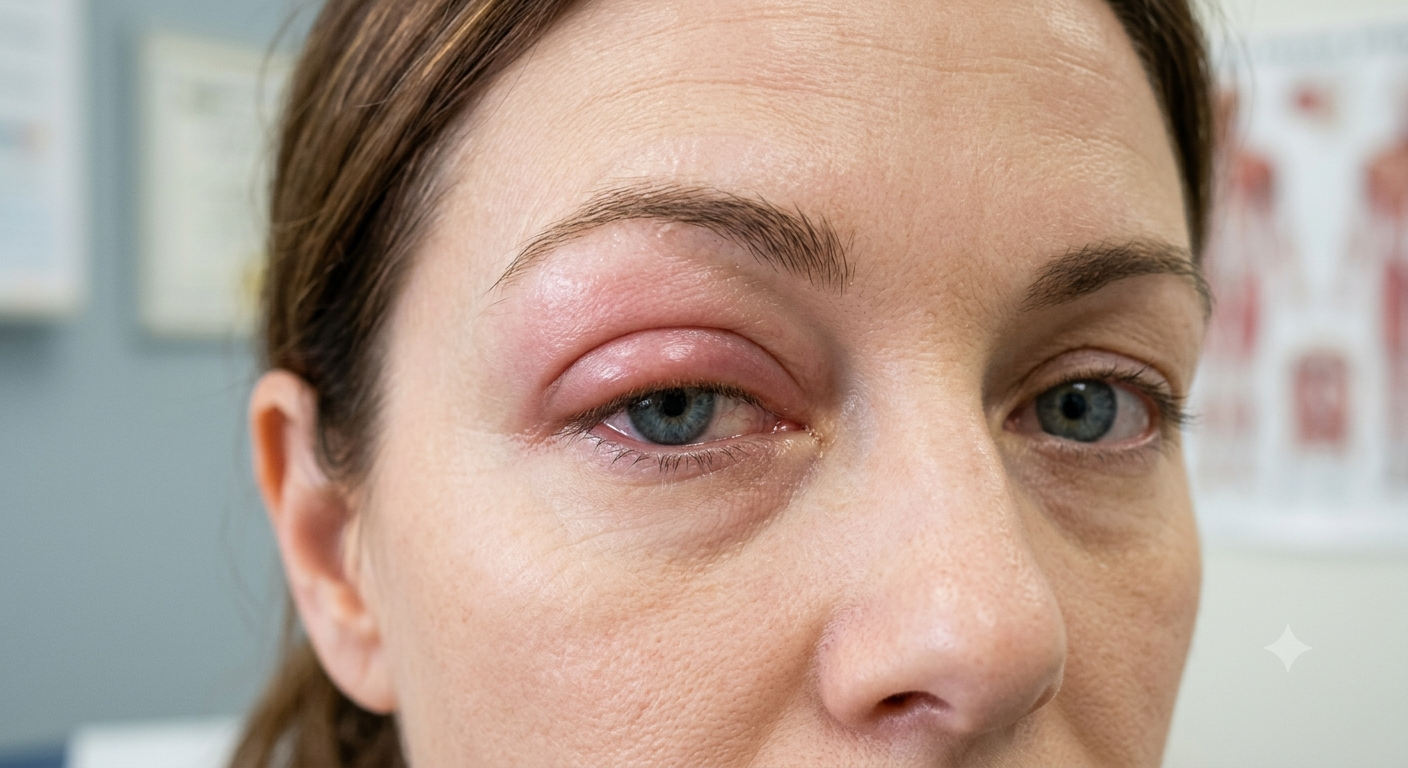
Waking up with a puffy or swollen upper eyelid can be uncomfortable and sometimes alarming. Many people find themselves asking, “Why is my upper eyelid swollen?” at some point. Upper eyelid swelling is a common symptom that can occur for many different reasons, ranging from mild irritation to infections or underlying medical conditions. In many cases, the swelling improves with simple home care, but certain symptoms require prompt medical evaluation.
A swollen eyelid – What the condition means and when to see the doctor – Because eyelids are covered with fragile skin tissue that houses muscle tissue, oil glands, blood vessels and other structures – the reason that even a slightly sore eye could appear puffy. One of the first things necessary is to understand what condition has caused your eye trouble; from there, treatment solutions and prevention advice can be best derived. This article reviews of the more frequent causes of an upper eyelid puffiness. It looks at how one might recognize symptoms and conditions linked to it and examines possible causes as well as when medical treatment should be sought.
Understanding Upper Eyelid Swelling
Before answering why is my upper eyelid swollen, it’s helpful to understand what swelling actually means.
Eyelid swelling can happen because of a fluid build-up on tissues around the eyelid, or due to dilation of blood vessels when it’s an inflammatory condition. Whether both eyes or one eye is involved, you may find swelling comes on quickly or gradually. Some of us have only a subtle puffiness or bagginess of eyelids whereas other have the additional pain of redness and tenderness. Your appearance and any other pain will generally tell your doctor much about the cause.
A Stye (Hordeolum)
One of the most common answers to why is my upper eyelid swollen is a stye, also known as a hordeolum.
A stye develops when a small oil gland or eyelash follicle becomes infected, usually by bacteria that normally live on the skin. The infection causes a tender, red bump that often resembles a small pimple along the eyelid margin.
Common symptoms include:
- Localized swelling
- Pain or tenderness
- Redness
- Warmth
- Increased tearing
- Sensitivity when blinking
Many styes drain and heal on their own within several days. Applying a warm compress several times a day often helps encourage natural drainage. Squeezing or attempting to pop a stye is not recommended because doing so may spread infection.
A Chalazion
Although a chalazion may resemble a stye, it develops differently.
A chalazion forms when one of the eyelid’s oil-producing glands becomes blocked rather than infected. The trapped oil causes a firm lump to develop within the eyelid.
Unlike a stye, a chalazion is often painless after the initial inflammation decreases. However, larger chalazia may still cause noticeable upper eyelid swelling or place pressure on the eye.
Warm compresses may help soften the blockage and promote drainage, although some persistent chalazia require medical treatment.
Allergic Reactions
Allergies are another frequent explanation for why is my upper eyelid swollen.
The eyelids are particularly sensitive to allergens because the skin is thin and easily irritated. Common triggers include:
- Pollen
- Dust mites
- Pet dander
- Mold
- Cosmetic products
- Eye makeup
- Contact lens solutions
- Facial creams
- Certain medications
Allergic eyelid swelling often affects both eyes and may be accompanied by itching, watery eyes, sneezing, or nasal congestion.
Unlike bacterial infections, allergy-related swelling is usually not associated with severe pain.
Avoiding the triggering substance and following a healthcare professional’s advice can often reduce symptoms.
Blepharitis
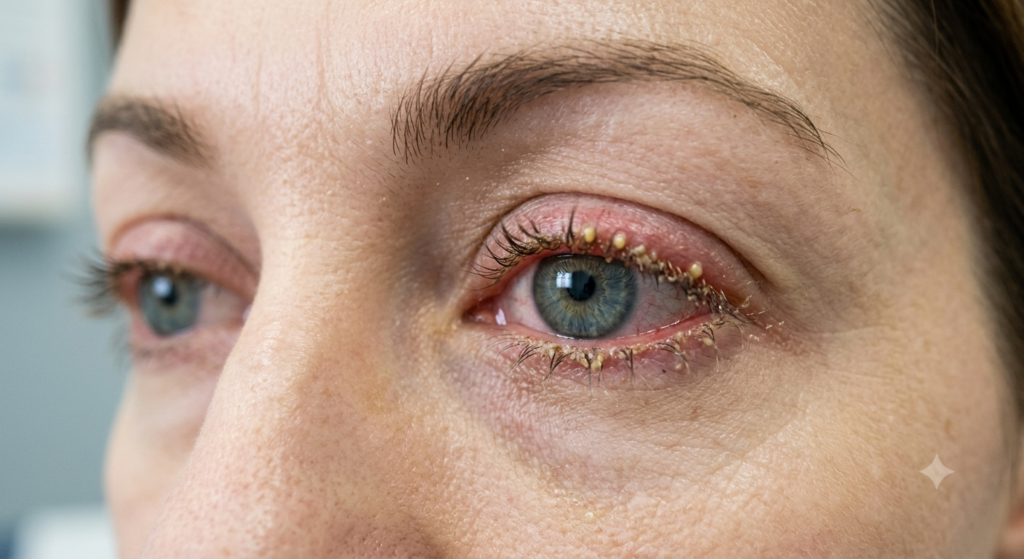
Blepharitis is a chronic condition involving inflammation of the eyelid margins.
It commonly occurs when oil glands near the eyelashes become irritated or blocked. Certain skin conditions, including seborrheic dermatitis and rosacea, may increase the risk.
People with blepharitis often notice:
- Swollen eyelids
- Red eyelid margins
- Crusting around the eyelashes
- Burning sensations
- Dry eyes
- Itching
- A gritty feeling in the eyes
Because blepharitis frequently recurs, regular eyelid hygiene is often an important part of long-term management.
Conjunctivitis (Pink Eye)
Conjunctivitis, commonly called pink eye, can sometimes cause upper eyelid swelling.
This condition involves inflammation of the conjunctiva, the thin membrane covering the white part of the eye and the inside of the eyelids.
The causes of conjunctivitis vary and may include:
- Viral infections
- Bacterial infections
- Allergies
- Chemical irritants
Symptoms may include eye redness, discharge, excessive tearing, irritation, and swollen eyelids.
Because treatment depends on the underlying cause, proper evaluation is important if symptoms persist or worsen.
Eye Irritation
Not every swollen eyelid is caused by an infection or allergy.
Simple irritation may develop after exposure to:
- Smoke
- Dust
- Wind
- Chlorinated pool water
- Cosmetics
- Contact lenses
- Foreign particles
Rubbing the eyes repeatedly can also worsen irritation and increase swelling by causing additional inflammation.
If symptoms improve after removing the irritant and avoiding further rubbing, the swelling often resolves without additional treatment.
Insect Bites
Mosquitoes, bees, wasps, and other insects occasionally bite or sting the eyelid.
Because eyelid tissue is thin and contains loose connective tissue, even a minor bite can produce significant swelling.
In many cases, the swelling appears dramatic despite being relatively harmless.
However, difficulty breathing, widespread hives, facial swelling beyond the eyelid, or other signs of a severe allergic reaction require immediate emergency medical attention.
Trauma or Injury
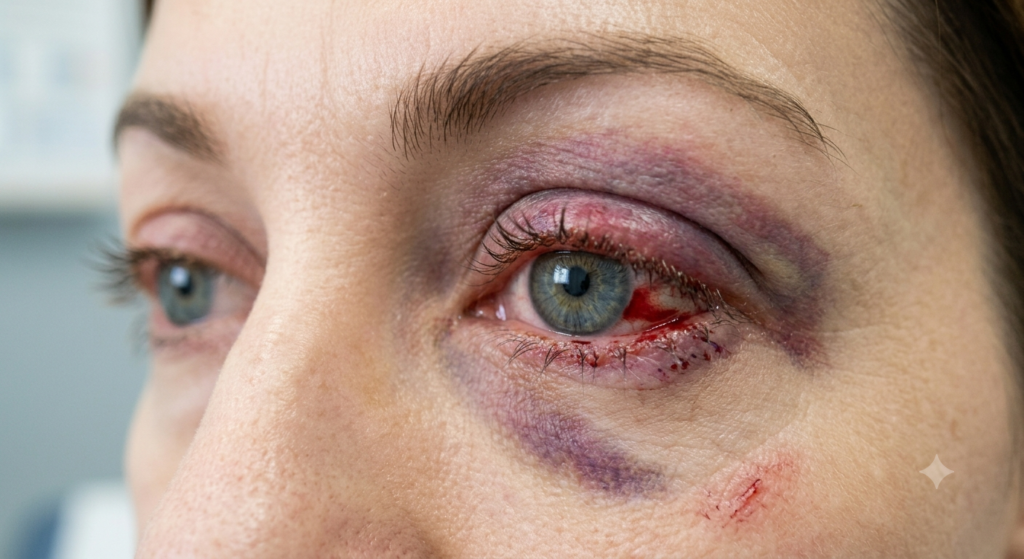
A direct injury is another possible explanation for why is my upper eyelid swollen.
Sometimes when you bump the eye, scratch it or have sports injuries or just bang the eye without actually injuring the outer surfaces (which leads to redness of the conjunctiva and redness), underlying small blood vessels may leak fluid into surrounding tissues causing swelling and the formation of an ecchymosis which you know as a bruise. When you have had recent trauma with swelling, cold packs can assist in shrinking this swelling for the first 24 hours, although it will persist in cases of more severe trauma, be more associated with decreased vision or if it is particularly painful you will need assessment to check your actual injured or traumatised eye with the facilities available.
Less Common Medical Causes
Although less frequent, several medical conditions may also contribute to upper eyelid swelling.
These include:
- Cellulitis involving tissues around the eye
- Thyroid-related eye disease
- Autoimmune inflammatory conditions
- Certain kidney disorders that cause fluid retention
- Sinus infections affecting nearby tissues
Because these conditions may require specialized treatment, persistent or severe swelling should not be ignored.
Symptoms That Can Help Identify the Cause
When trying to determine why is my upper eyelid swollen, it helps to pay attention to accompanying symptoms.
Pain often suggests inflammation or infection.
Itching is more commonly associated with allergies.
A firm, painless lump may indicate a chalazion.
Yellow or green discharge may point toward a bacterial infection.
Sudden swelling after exposure to a new cosmetic or medication raises suspicion for an allergic reaction.
Changes in vision, severe eye pain, inability to move the eye normally, or fever require prompt medical evaluation because they may indicate more serious conditions.
How Is a Swollen Upper Eyelid Diagnosed?
Within a few days if the swelling doesn’t reduce, it is recurring or is very symptomatic you need to see health care provider for them to ascertain the cause of swelling.
The diagnosis process would start by asking when the swelling started, whether both the eyes or only one eye is affected and if you’ve had allergies, any trauma, insect bite or any flu-like symptoms in the past. Your doctor will ask you about use of contact lenses, if you have applied any eye makeup recently and also inquire about any past medical history and use of drugs and any past history pertaining to eye problems
During the physical exam, the healthcare provider looks for swelling, tender areas, lumps, discharge, and other signs of infection around the eyelid and eye. In most cases a thorough physical examination and answering the questions will suffice to diagnose the cause. The investigations are reserved for the severely symptomatic and recurring edema or if another significant clinical entity is suspected.
Home Care for Mild Upper Eyelid Swelling
If you’re asking “why is my upper eyelid swollen?” because of mild symptoms without vision changes or severe pain, simple home care may help while the eyelid heals.
Applying a warm compress for 10 to 15 minutes several times a day is often recommended for styes and chalazia. The warmth can help improve circulation and encourage blocked oil glands to drain naturally.
If the swelling appears related to allergies, avoiding the suspected trigger is important. Removing eye makeup, switching to fragrance-free skincare products, or staying indoors during periods of high pollen may reduce irritation. Learning more about managing seasonal eye allergies can also help reduce future flare-ups.
Try not to rub your eyes, even if they itch. Rubbing can worsen inflammation and introduce bacteria from your hands to the delicate tissues around the eye.
If you wear contact lenses, consider avoiding them until your symptoms have resolved, especially if irritation or infection is suspected.
Medical Treatments
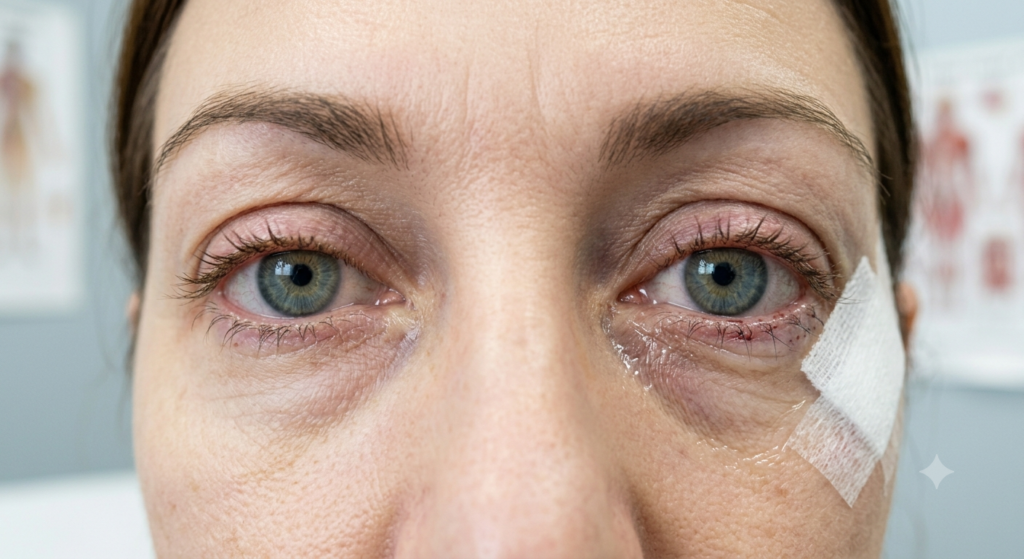
Treatment depends entirely on the cause of the swelling.
If the condition is the result of a bacterial infection, prescription eye drops or an antibiotic ointment might be needed. Viral infections usually resolve without much in the way of treatment-just support- and allergic reactions usually respond to antihistamines and other allergy medicines prescribed by a doctor. A big chalazion that is resistant to natural, or medical management, might at times need a quick surgical procedure that involves draining a blocked gland.
It is also possible that some, and often all forms of eyelid inflammation, may just require maintenance of good hygiene habits at home and if applicable treatment of the causes of inflammation. – Because these conditions all need different types of care, avoid attempting to self diagnose or using an expired prescription, as the medication may also belong to another, prescription patient.
When Should You See a Doctor?
Many cases of eyelid swelling improve within a few days, but some symptoms should never be ignored.
Arrange prompt medical evaluation if you experience:
- Severe or worsening eye pain.
- Blurred vision or vision loss.
- Difficulty moving the eye.
- Swelling that spreads rapidly around the eye or face.
- Fever along with eyelid redness and swelling.
- A swollen eyelid after a serious eye injury.
- Symptoms that continue to worsen despite home care.
- Recurrent swelling without a clear explanation.
These symptoms may indicate a condition requiring urgent treatment, such as an infection involving tissues around the eye or another serious eye disorder.
Can Upper Eyelid Swelling Be Prevented?
Although not every case can be prevented, several healthy habits may reduce your risk.
Wash your hands before touching your eyes or inserting contact lenses. Following proper contact lens hygiene practices can also help lower the risk of irritation and eye infections.Remove eye makeup thoroughly before going to bed, and replace mascara and other eye cosmetics regularly to reduce bacterial contamination.
If you have seasonal allergies, managing your allergy symptoms may help reduce eyelid inflammation during allergy season.
For people who develop blepharitis, following a regular eyelid-cleaning routine recommended by a healthcare professional may reduce flare-ups.
Eating a balanced diet, staying hydrated, getting adequate sleep, and protecting your eyes from irritants can also support overall eye health.
Common Misconceptions About Swollen Eyelids
A common misconception is that a swollen eye means there’s an infection, though allergies, clogged oil glands, irritation, or injuries can also cause swollen eyelids. Many believe that popping a stye can speed up healing. However, the opposite is often true.
When a stye is popped, bacteria can spread, inflammation can be worsened, and the infection can be more complicated.
Finally, not everyone acknowledges that if a swelling disappears after just one or two days, it’s probably safe to forget it altogether. Nonetheless, it could indicate a problem if the swelling repeats itself.
Understanding these misconceptions helps answer “why is my upper eyelid swollen?” more accurately and encourages appropriate care.
Expert Perspective
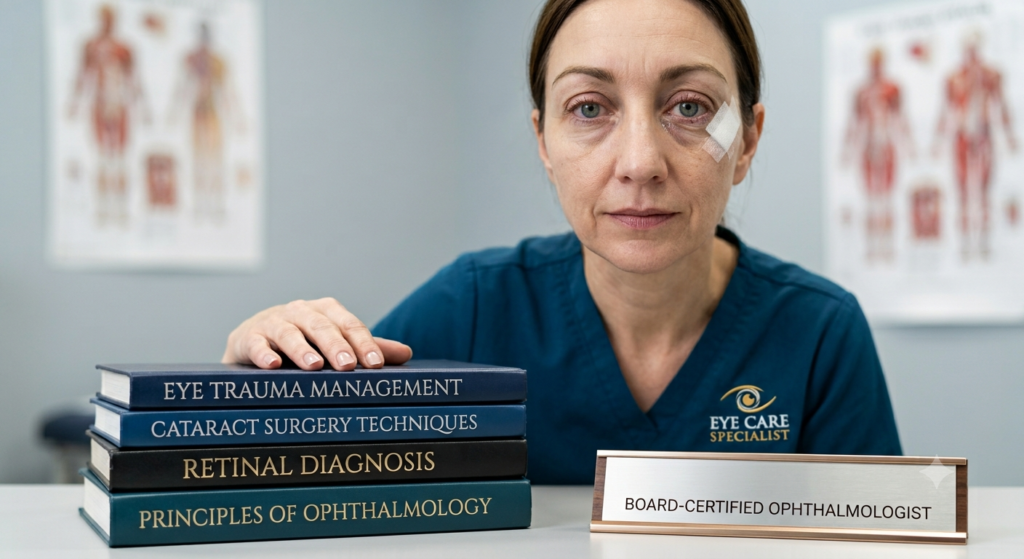
Upper eyelid swelling: what are the causes and How to deal with swelling that appears? The eyelid tissues upper sensitive They are easily subject to stress, infection or Inflammation. That is why we see even mild cases lead to visible swelling, a little uncomfortable and that worries.
But don’t worry, almost all are benign for short time the only time that appropriate attention leads to disappearing swelling and a solution.
Therefore the attending physician would take care to look at symptoms such as: loss vision, fever and nausea, pain in the eyelids and itching of these eyes – they serve us and make us understand what is the severity of eye ailment; thus will address solution and fight disease directly rather than focusing on the effect (edema), the disease of eyelid swelling!
Conclusion
If you’ve been asking yourself, “Why is my upper eyelid swollen?” you’re in good company.“, the answer depends on the underlying cause. Common reasons include a stye, chalazion, allergies, blepharitis, conjunctivitis, eye irritation, insect bites, or a minor injury. While many cases improve with simple home care such as warm compresses and avoiding irritants, others require medical evaluation and treatment.
The most important step is to look beyond the swelling itself. Symptoms like severe pain, fever, spreading redness, vision changes, or difficulty moving the eye should never be ignored and warrant prompt medical attention. You can also explore our eye care and vision health resources for more expert guidance on protecting your eye health.
By recognizing potential causes early, practicing good eyelid hygiene, and seeking professional care when appropriate, most people can recover fully and reduce the likelihood of future episodes.
Frequently Asked Questions
1. Why did I wake up with a swollen upper eyelid?
Common causes include a stye, allergies, an insect bite, sleeping with eye irritation, or a blocked oil gland. Sometimes fluid can also temporarily collect in the eyelid overnight.
2. Is a swollen upper eyelid an emergency?
Usually not. However, swelling accompanied by severe pain, fever, vision changes, difficulty moving the eye, or rapidly spreading redness requires immediate medical evaluation.
3. Can allergies cause only one swollen eyelid?
Yes. Although allergies often affect both eyes, it’s possible for one eyelid to swell more than the other, particularly if the allergen comes into contact with only one eye.
4. How long does upper eyelid swelling usually last?
The duration depends on the cause. Mild irritation may improve within a day or two, while a stye or chalazion may take several days or even weeks to resolve.
5. Should I use a warm or cold compress?
A warm compress is commonly recommended for styes and blocked oil glands because it may help improve drainage. A cool compress can sometimes provide temporary relief for allergy-related swelling or irritation. If you’re unsure of the cause, seek medical advice before starting treatment.