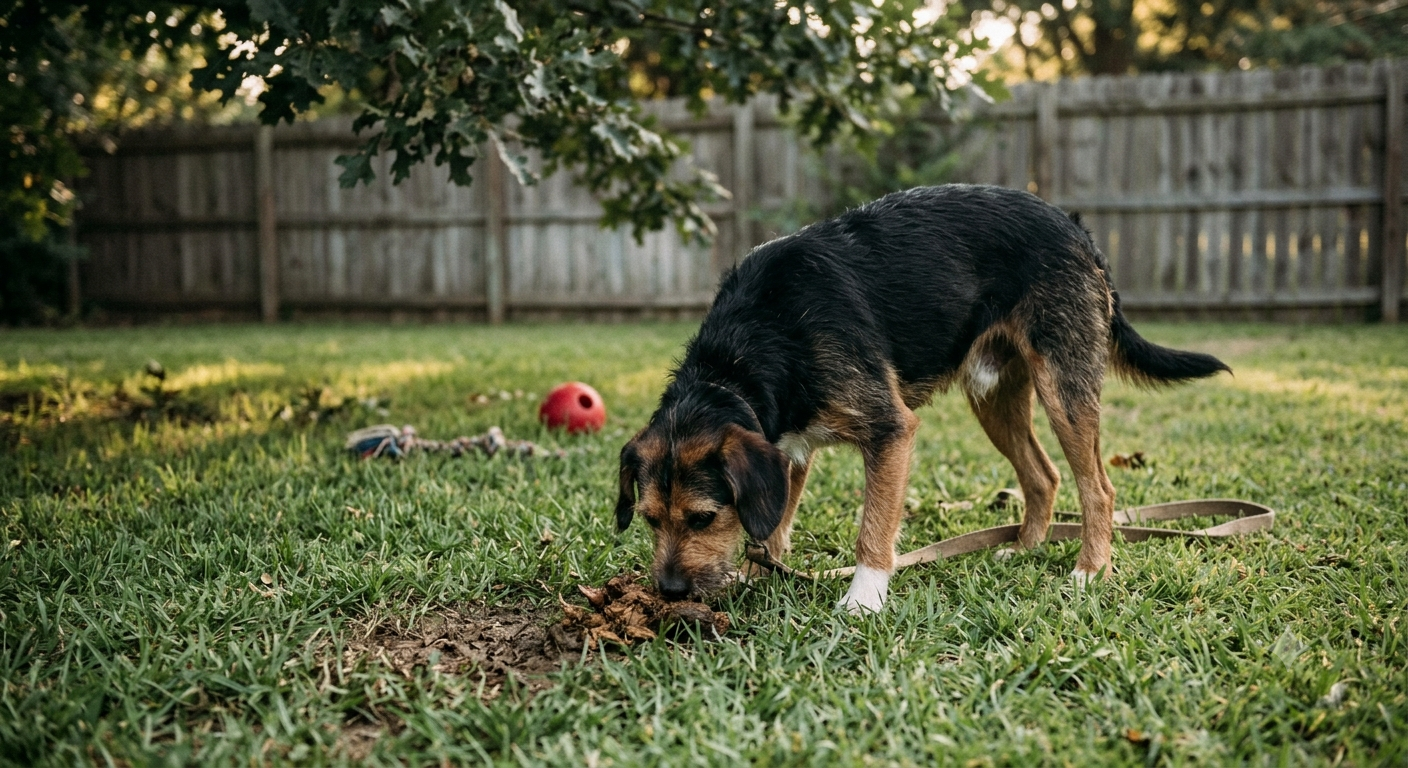
Discovering your dog eating poop can be unpleasant and confusing. Many owners immediately wonder whether something is wrong with their pet or if the behavior is a sign of illness. If you’ve ever asked, why do dogs eat poop, you’re not alone. Veterinarians and animal behavior specialists hear this question frequently because poop-eating, medically known as coprophagia, is surprisingly common in dogs of all ages.
While it may appear to be unusual human behavior, our pets do not look at the world in exactly the same light as we do at times. The behavior in some cases appears to be based on basic survival behaviors, while in others it may stem from behavior of curiosity, boredom, or anxiety, or it may be a matter of training or health problems. Knowing why it is happening is step 1 to determining effective- and SAFE – management. This information offers owners of canids with the top reasons dogs have a poop diet, normal behavior criteria vs when it is a cause for concern for his health, and how they can assist him in preventing the behavior.
Understanding Coprophagia
Eating poop has a technical term – coprophagia – and it’s the behavior of eating stool, whether it is the dog’s own excrement, another dog’s or other animals. Different cases of coprophagia stem from many different causes. After all, there’s a huge difference between a curious, developing puppy sniffing an unknown substance and an mature dog that recently developed the urge to devour a fresh pile.
Veterinary visits would never end, otherwise.
For these reasons, a vet will consider your pet’s age, medical, diet and behavior history, environmental stressors, lifestyle and general demeanor when determining the most probably cause of a dog who is eating poop.
Understanding this broader context helps answer the question, why do dogs eat poop, more accurately than assuming there is only one reason.
Puppies Often Explore With Their Mouths
One of the simplest explanations is age.
Puppies naturally investigate their surroundings by sniffing, licking, and chewing unfamiliar objects. During this stage of development, they may briefly mouth or even swallow feces out of curiosity.
Fortunately, many puppies outgrow this behavior as they mature and receive consistent training. Close supervision and positive reinforcement can help prevent the habit from becoming established.
Instincts Can Play a Role
Some poop-eating behavior has roots in canine instinct.
Mother dogs naturally clean the nesting area by consuming the waste produced by very young puppies. This behavior helps keep the den clean and may reduce odors that could attract predators in the wild.
Although adult pet dogs usually do not need to perform this behavior, the instinct still exists. Puppies raised around their mother may observe and imitate her actions during the first weeks of life.
While this instinct does not explain every case of coprophagia, it provides one reason why do dogs eat poop under certain circumstances.
Curiosity and Exploration
A dog’s sense of smell and taste plays a major role in how it explores and understands its environment.
A pile of feces may contain scents from undigested food, other animals, or environmental odors that seem interesting to a dog, even though people find it unpleasant.
Some dogs investigate only briefly, while others repeatedly return to the behavior. Curiosity alone is more common in younger dogs than in mature adults.
Boredom and Lack of Mental Stimulation
Dogs that spend long periods without exercise, play, or interaction sometimes develop undesirable habits to entertain themselves.
Eating poop may become one of those habits if the environment provides little mental stimulation.
Working breeds and highly energetic dogs are especially likely to benefit from activities such as puzzle toys, obedience training, scent games, and regular exercise. Adding more mental enrichment activities for dogs to their daily routine can help reduce boredom-related behaviors. Increasing enrichment often reduces repetitive behaviors that develop from boredom.
Learned Behavior
Dogs are excellent observers.
If one dog in a household eats feces, another dog may imitate the behavior over time. Likewise, if a dog accidentally discovers that owners respond dramatically whenever it approaches feces, the extra attention may unintentionally reinforce the behavior.
For this reason, behavior modification focuses on calmly redirecting the dog rather than creating excitement or punishment.
Dietary Factors
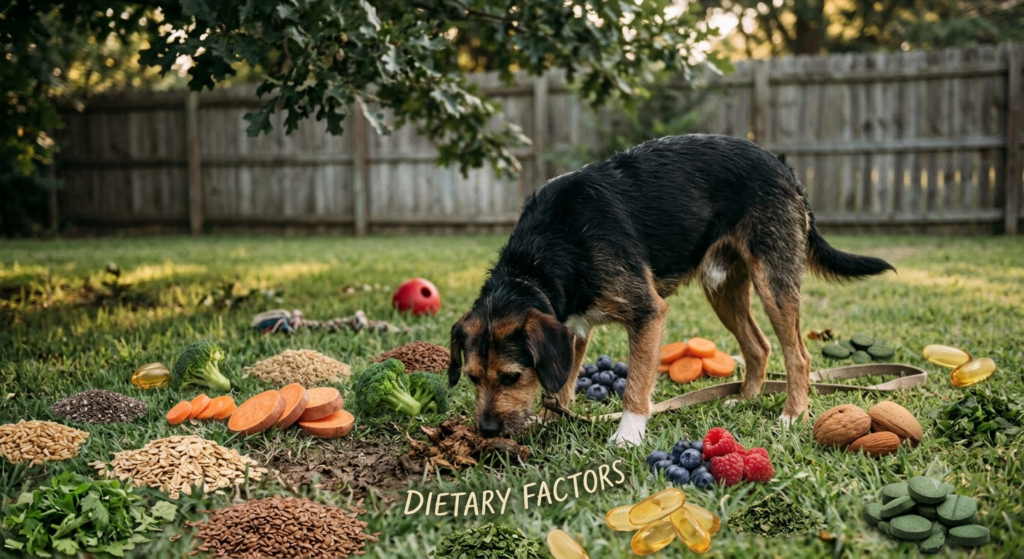
Many owners worry that poop-eating automatically means their dog lacks nutrients.
While nutritional deficiencies are not considered the most common cause, an unbalanced diet or poor-quality nutrition can contribute in some situations.
Dogs require appropriate amounts of protein, fat, vitamins, minerals, and calories based on their age, size, activity level, and health status. Feeding a complete, balanced commercial diet or a veterinarian-approved homemade diet helps reduce the likelihood of nutrition-related problems. Choosing a healthy diet for dogs also supports digestive health and overall well-being.
If a dog suddenly begins eating feces despite previously normal behavior, it is reasonable to review its diet with a veterinarian.
Hunger and Increased Appetite
Dogs with unusually large appetites may investigate almost anything that appears edible.
Certain medical conditions, medications, or inadequate calorie intake can increase hunger. In these situations, a dog may consume feces simply because it is searching for additional food sources.
Persistent excessive hunger should always be discussed with a veterinarian because it can sometimes indicate an underlying medical issue.
Medical Conditions That May Contribute
Although behavior is responsible for many cases, some health conditions can increase the likelihood of coprophagia.
Examples include digestive disorders that reduce nutrient absorption, intestinal parasites, pancreatic disorders affecting digestion, diabetes, thyroid disease, or other illnesses that influence appetite.
It is important to remember that these conditions do not automatically cause poop-eating, but they may contribute in certain dogs.
A sudden change in behavior, especially when accompanied by weight loss, diarrhea, vomiting, increased thirst, or changes in appetite, deserves veterinary evaluation.
Stress and Anxiety
Emotional well-being can also influence canine behavior.
Changes such as moving to a new home, introducing another pet, prolonged isolation, inconsistent routines, or stressful living conditions may increase anxiety in some dogs.
Rather than expressing stress through vocalization or aggression, certain dogs develop repetitive behaviors, including coprophagia.
Creating a predictable routine, providing daily exercise, and using positive reinforcement training may help reduce stress-related behaviors.
Is Eating Poop Dangerous for Dogs?
One of the biggest concerns owners have after asking why do dogs eat poop is whether the behavior is harmful.
The answer depends on what kind of feces the dog consumes and whether it contains infectious organisms or harmful substances. While some dogs appear unaffected after eating feces, the behavior is never considered desirable because it can expose them to health risks.
Some poop might have parasites (intestinal or tapeworm), bacteria or viruses that can cause disease. The higher a chance your dog has of ingesting from another unknown, wild creature, the greater the chance the creature is going to make him sick.
And of course: medicated pet waste. What other dog recently took medications and/or wormers or bug treatments? So as there may be medications lingering, poisoning will not happen most times. It doesn’t do anyone any favors to ingesting it!
If your dog seems sick with vomiting, diarrhea, becomes lethargic, will not eat, or is displaying any strange behaviors following the consumption of feces, call your veterinarian.
Why Do Dogs Eat Cat Poop?
Many owners notice that their dog ignores dog feces but eagerly searches for the litter box.
Cat feces often contain higher amounts of undigested protein and fat because cats eat protein-rich diets. Those scents may make the stool more attractive to dogs.
Unfortunately, eating cat feces can also expose dogs to parasites and bacteria. Keeping litter boxes inaccessible by using baby gates, covered litter boxes, or placing them in rooms the dog cannot enter can help prevent this behavior.
How to Stop a Dog From Eating Poop
Successfully stopping coprophagia usually requires identifying the reason behind it rather than relying on punishment.
Cleaning up feces immediately is one of the most effective strategies because it removes the opportunity before the behavior occurs.
Teaching reliable commands such as “Leave it” or “Come” allows owners to redirect their dog’s attention before it reaches the stool. Rewarding the dog for responding correctly encourages better habits over time.
Daily physical exercise is equally important. A tired dog with regular walks, play sessions, and opportunities to explore is often less likely to develop unwanted repetitive behaviors.
Mental stimulation also makes a difference. Food puzzles, scent games, training exercises, and interactive toys help occupy the dog’s mind and reduce boredom.
When anxiety plays a role, reducing your dog’s stress is often more effective than simply trying to stop the poop-eating behavior.
Should You Punish Your Dog?
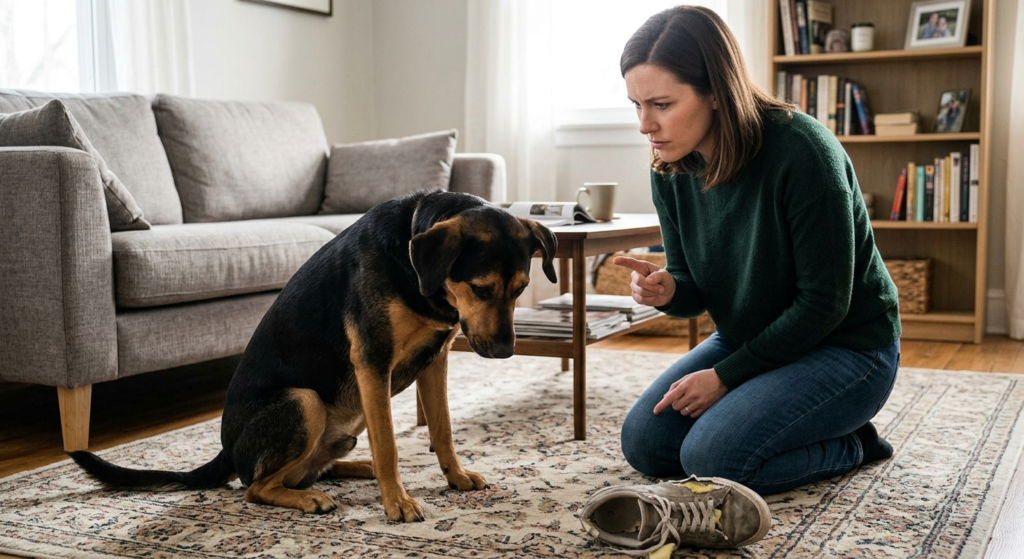
Punishment is generally not recommended.
Dogs do not associate punishment with something they ate several minutes earlier. Harsh corrections may simply make them fearful or encourage them to eat feces more quickly before the owner notices.
Some dogs even learn to hide the behavior rather than stop it.
Positive reinforcement produces better long-term results. Rewarding your dog for ignoring feces, responding to commands, or walking away from tempting situations strengthens desirable behaviors without damaging trust.
Can Diet Changes Help?
Sometimes.
When a Veterinarian Suspects Diet Many dogs will be recommended a different diet if the veterinarian thinks food contributes to the situation. When you feed your dog a quality complete and balanced diet designed for their age, breed and lifestyle, you’ll also benefit their general health, which can also assist in minimizing the chance of them overeaten.
Do not use any “poop deterrent” products or supplements, home or commercial because the evidence that they work are often minimal and often no evidence at all, they are often and expensive way to try solve a nutritional issue without professional consultation. It is generally a good idea to seek veterinary advise about your dog’s diet before making any changes for the betterment of a pet.
When Should You See a Veterinarian?
Occasional curiosity in young puppies is often harmless, but persistent or sudden coprophagia deserves attention.
Schedule a veterinary examination if your dog:
- Suddenly begins eating poop after years of normal behavior.
- Loses weight despite eating normally.
- Has diarrhea, vomiting, or changes in appetite.
- Drinks unusually large amounts of water.
- Appears tired or less active than usual.
- Eats feces frequently despite training efforts.
A veterinarian can evaluate your dog’s overall health, perform a physical examination, and recommend additional tests if needed to rule out medical causes.
Can Coprophagia Be Prevented?
Prevention focuses on good management and healthy routines.
Cleaning the yard regularly removes temptation before it becomes a habit. Walking your dog on a leash in areas where feces may be present gives you greater control and allows you to redirect attention when necessary.
Providing daily exercise, mental enrichment, consistent training, and proper nutrition supports both physical and behavioral health. You can also explore our dog care and training guides for more expert advice on keeping your pet healthy, active, and well-behaved.
Routine veterinary checkups also play an important role by identifying health problems that could contribute to changes in appetite or behavior.
Common Myths About Dogs Eating Poop
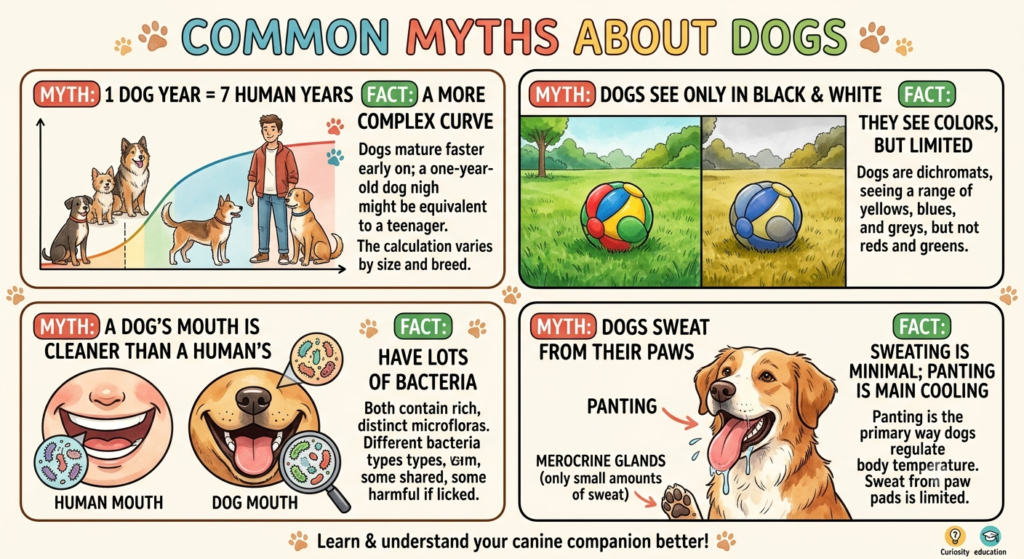
Several myths surround coprophagia.
One common belief is that every dog that eats poop has a vitamin deficiency. While nutritional problems can occasionally contribute, most cases are related to behavior, curiosity, instinct, or environmental factors.
Another misconception is that punishment quickly solves the problem. In reality, punishment often increases stress without addressing the underlying cause.
Some owners also believe the behavior is rare. In fact, veterinarians recognize coprophagia as a relatively common canine behavior, particularly in puppies.
Understanding these myths helps owners choose effective solutions rather than relying on misinformation.
Expert Perspective
Animal behavior specialists generally agree that there is no single explanation for why do dogs eat poop. The behavior can result from a combination of instinct, learning, environment, medical conditions, and individual personality.
Because each dog is different, successful treatment often requires patience and careful observation. Looking at the dog’s diet, health, daily routine, stress level, and living environment provides a more complete picture than focusing on the behavior alone.
In many cases, consistent training, prompt cleanup, enrichment, and veterinary guidance are enough to significantly reduce or eliminate coprophagia.
Conclusion
If you’ve ever wondered, why do dogs eat poop, the answer is more complex than many people expect. Dogs may eat feces because of curiosity, natural instincts, boredom, learned behavior, stress, increased appetite, or certain medical conditions. Puppies often outgrow the habit, while adult dogs may require additional training or a veterinary evaluation to identify contributing factors.
Although the behavior is fairly common, it should not be ignored. Eating feces can expose dogs to parasites, bacteria, and other health risks. Fortunately, most cases improve with a combination of environmental management, positive reinforcement training, proper nutrition, and regular veterinary care.
Understanding why do dogs eat poop allows owners to respond calmly, identify possible causes, and choose practical solutions that support their dog’s long-term health and well-being.