Prime Rib Cooking Time Essentials Avoiding Mistakes Timing Tips
A juicy prime rib often steals the show at big meals, holidays, or quiet dinners with loved ones. Even though it carries a fancy name, folks cooking at home usually hit a wall wondering how long it really needs in the oven.
Here’s the thing: prime rib refuses to follow basic rules. Roast weight matters, sure – yet whether it has a bone changes things too. Oven heat swings wildly between kitchens, while how rare you want it shifts timing even more. Sometimes – honestly – even skilled folks get caught out. The edges turn tough before the middle warms through.
Most people miss how timing affects prime rib texture – get it right and every bite stays moist. Instead of guessing, follow clear charts that match weight to oven minutes. A few miscalculations often lead to dry edges or undercooked centers. Watch for these slipups early, then adjust heat or cover as needed. Little details, like resting time after baking, shift results dramatically. Even seasoned cooks learn something new when they dig into the nuances behind temperature shifts and carryover cooking. Explore more lifestyle and food tips at our home page spherelifestyle.
Prime Rib Cooking Time Importance
Besides being a pricier option at the butcher, prime rib demands attention. Not like your usual steak or minced meat, an error here means wasted money – and a ruined meal.
Start fast, finish uneven – inside stays cold while outside turns stiff. Go longer than needed, lose the juice, lose the softness; suddenly that good cut feels like a mistake.
Proper timing helps ensure:
- Baking evenly reaches every corner before hitting the middle. Heat spreads without skipping spots along the way. Center finishes just like the edges did earlier
- Better moisture retention
- Improved texture and tenderness
- Consistent doneness throughout the roast
- Predictable patterns pop up more often in how servings roll out
Later on, timing plays a role in keeping food safe. Though many enjoy prime rib cooked to medium-rare, knowing the inside heat helps hit both safety and taste without losing tenderness. Still, too much time can shift texture fast. Even so, precise temperature control makes all the difference when aiming for ideal results.
Prime Rib Basics You Should Know
From the rib part of a cow, prime rib shows up on many dinner tables. Rich streaks of fat run through it, making each bite juicy when cooked. This cut goes by another name too – standing rib roast. Tenderness comes naturally, thanks to those fine layers woven inside.
Seven bones might line a whole prime rib, tipping the scale heavier. Smaller versions usually pack just two through four ribs instead. Cooking time shifts depending on how many ribs sit in the cut.
Besides adding structure, bones slow down how heat moves through a roast. That means cuts with bones need extra time compared to those without. Though smaller in size sometimes, they cook more unevenly due to internal resistance. Heat wraps around them instead of moving straight through. So total time on average goes up even if thickness seems similar.
Starting temp plays a role. If meat goes into the oven cold, straight from cooling storage, its cooking path changes. Warm it first, leave it out awhile, then heat – that shift matters. Understanding the basics of roast preparation is easier when following a guide to cooking prime rib at home.
Prime Rib Cooking Times
Start checking the meat halfway through if you want accuracy. Weight matters, yet temperature tells when it’s truly done.
Roast Weight
Rare
Medium Rare
Medium
4–6 pounds
1.5–2 hours
2–2.25 hours
2.25–2.5 hours
6–8 pounds
2–2.5 hours
2.5–3 hours
3–3.25 hours
8–10 pounds
2.75–3.25 hours
3–3.5 hours
3.5–4 hours
Roasting near 325°F (163°C) forms the base of these projections.
Check the temperature inside the meat using a thermometer every single time – timing alone won’t tell the full story.
Internal Temperatures and Cooking Levels
Success shows itself best through how hot things get inside.
Doneness
Remove From Oven
Final Temperature After Resting
Rare
120°F
125°F
Medium Rare
125°F
130–135°F
Medium
135°F
140–145°F
Medium Well
145°F
150°F+
Heat lingers even once pulled from the oven. As it sits, warmth spreads deeper inside, nudging temps up another 5 to 10 degrees. A pause does its work quietly.
Overcooking prime rib often trips up beginners in the kitchen. That moment when the timer dings feels like too late already. Heat can spread quickly through thick cuts if they aren’t carefully monitored. A slight distraction leads straight to dry slices on the plate. Confidence builds slowly here – trial, error, then better guesses next time.
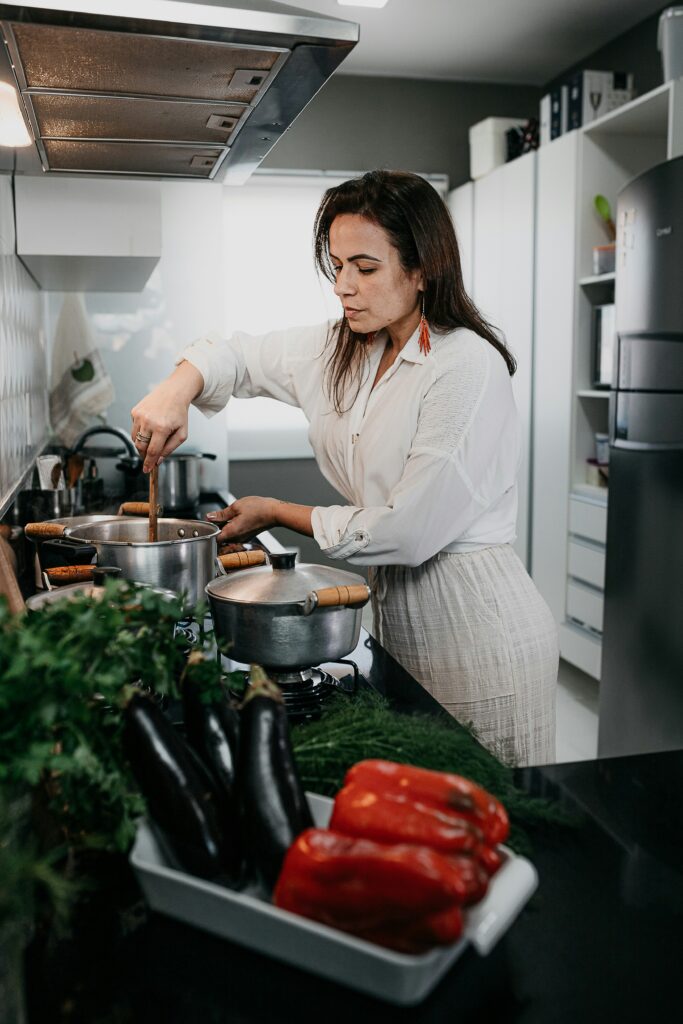
Calculate cooking time for prime rib
Baked slow, around fifteen to twenty minutes each pound needs when the oven sits at three hundred twenty-five degrees for meat that’s still pink inside.
For example:
Baked slow, a six-pound cut of prime rib takes close to two full hours. Sometimes it stretches beyond that mark slightly.
A big roast, say around eight pounds, usually takes close to three hours. Sometimes it wraps up a bit sooner, maybe after two and a half.
A big roast, say around ten pounds, could take anywhere from three up to four hours.
Thicker cuts change how heat moves through meat. Lengthy ones behave unlike their chunkier twins – even when they weigh the same.
Most cooks check the clock just to stay organized, yet they trust thermometer readings when it matters.
The Low-and-Slow Method
Baking slower often means meat comes out softer. Some find cooler heats work better than high ones.
Flesh meets heat between 225°F and 250°F, easing into tenderness without rush. Slow warmth spreads through the cut, layer by layer. This range keeps fibers from seizing too fast. Gentle cooking means even results, edge to center. Heat at this level avoids harsh shifts.The results remain consistent and never change suddenly.
Benefits include:
More uniform doneness
Less risk of overcooking
Better moisture retention
A bigger chunk of meat, cooked just enough so the middle stays warm and red
Even if the clock ticks longer for prime rib, some swear by how much better it feels on the plate. While waiting takes effort, that tender result keeps people coming back for more. Worth every extra minute, they say, when the bite gives way like warm butter. The slow road pays off in mouthfeel, even if hunger tests willpower first.
A roast needs time – hours pass while it cooks gently at a low heat. Size decides how long, anywhere from four up to six.
The High-Heat Method
Baking often kicks off at a high heat – think 450°F up to 500°F. That kind of temperature shows up right away in certain dishes.
A sudden burst of heat hits the roast first, building a rich outer layer. After that, things slow down – either the warmth drops or the oven shuts away.
Advantages include:
Enhanced browning
Deep roasted flavor
Shorter overall cooking time
Attractive presentation
Still, keeping a close eye on things matters here since shifts in heat might alter outcomes quite a bit.
Holiday Dinner Planning in Practice
Imagine preparing an 8-pound bone-in prime rib for a family gathering scheduled at 6:00 PM.
You want medium-rare doneness.
A full three hours sits in the oven before it even thinks about coming out, then waits half an hour without moving.
So dinner wraps up by 5:30, which pushes the roast into the oven at roughly 2:30. That timing keeps everything on track without rushing later.
Start early, since letting it sit out adds extra waiting on top of the prep and spices needed before cooking.
Baked turkeys crackle under foil, yet nobody remembers to leave them alone after roasting. Quiet time changes everything, though it vanishes from most plans. Achieve a tender, juicy roast every time by following this trusted prime rib cooking resource.
Prime Rib Timing Errors People Make
A single second too long might ruin even the best cut. How precise you are changes everything.
Ignoring the Thermometer
Most folks who cook stick close to recipe guides.
Most ovens cook a bit their own way, so charts give only rough guesses. When it comes to knowing for sure, nothing beats checking with a digital meat thermometer.
Skip The Rest Period
Right when the roast finishes, slicing lets liquid pour out fast.
After sitting twenty to thirty minutes, juices settle into every part of the meat.
Cooking Right After Taking Food Out of the Fridge
Cooking frozen meat usually leads to inconsistent results.
Resting the meat outside the fridge for a while helps it cook evenly. A couple of hours usually does the trick. Temperature evens out when it is not cold from storage. Warmth spreads better through the cut after sitting awhile. Even heat means consistent results inside.
Opening the Oven Too Often
Heat escapes each time the oven door opens.
Every time you peek inside, heat escapes a little more. That extra look slows everything down. Temperatures shift when the door opens too often. Results turn out uneven, no matter how careful you think you are.
Time Instead of Temperature
Baked one after another, two cuts same in size might still come out uneven. Finished later despite matching heft, each reacts differently under heat.
How hot it gets decides when it’s done.
Troubleshooting Prime Rib Cooking Problems
When plans fall apart, fixes are often possible. Luck helps, yet effort matters more.
The Roast Is Cooking Too Fast
Bake slower when the heat drops just right. Lower warmth means things cook gentler. Turn down the knob a little each time. Cooler baking needs patience but works fine.
Bake it slow when the outside gets too dark. Wrap a loose sheet over the top to keep things even.
The Center Remains Raw
Back into the oven every now and then for just a few minutes at a time.
Check temperature frequently.
The Outside Is Browning Too Much
Foil works by guarding the food without stopping heat inside. Sometimes it traps steam just enough to keep things moist. A layer can slow browning when needed. It adapts well to changes in shape during heating.
The material adjusts as ingredients shrink or swell. Heat still moves through even with coverage. Protection happens while cooking goes on beneath.
The Roast Feels Chewy
What feels tough usually comes from cooking too long, not too little.
Pieces cut sideways through the meat feel softer when eaten. How thin they are makes a difference too.
The Roast Dried Out
This typically indicates inadequate resting time.
Later on, bigger roasts might sit untouched for a while before serving. Resting time tends to stretch when the meat fills more space on the tray.
Perfect Prime Rib Cooking Time Expert Tips
Most cooks who work in restaurants spend time mastering skills that aren’t found in basic recipe guides.
A useful trick? Try dry brining. Leave salt on the roast overnight so it seeps deeper, boosting taste while holding onto juices.
For those looking to refine their roasting technique, an expert guide to cooking the perfect prime rib provides valuable insights on seasoning, temperature control, and achieving consistent results.
Most people miss checking the heat while meat sits. Even off the flame, warmth keeps changing how cooked it becomes.
Precise cooking gets easier when using a leave-in probe thermometer. Because it tracks heat steadily, there is less chance of going too far by mistake.
Besides holding the meat off the pan bottom, a roasting rack lets hot air move freely underneath. This setup often results in uniform heat exposure across the surface. Without it, parts may cook faster than others due to pooled juices or direct contact. Elevated positioning helps avoid soggy spots while supporting steady browning from edge to center.
Write everything down carefully. Track the bean weight before roasting, how hot the pan got, how long it cooked, what the outcome looked like. Each detail sharpens the next try.
Prime Rib Cooking Times by Oven
Temperature
Timing shifts when the oven runs hotter or cooler, so watch it closely. A slight change inside alters how fast things cook. Watch for cues instead of just minutes on a clock. Heat level shapes results more than most expect.
Oven Temperature
Approximate Cooking Rate
225°F
35–40 minutes per pound
250°F
30–35 minutes per pound
325°F
15–20 minutes per pound
350°F
13–18 minutes per pound
These figures serve as general guidelines.
What’s happening inside the meat tells you when it’s ready.
Visit our home page for more fruitfull articles.
.
How Tracking Temperature Shifted Outcomes
The same home cook prepared two identical 7-pound prime ribs, one during each of two holidays a year apart.
A timer wasn’t used at first – just a printed chart. That time, the meat stayed in too long, came out drier than expected, landed somewhere past medium.
Next came a new method: the chef slid in a digital probe thermometer. At exactly 125°F, he pulled the roast from heat. Resting shifted everything – heat lingered, rose slightly. It landed on 133°F when still.
It really stood out. People picking up what they ate could taste how much softer it became, plus the moisture stayed in, which made every bite come alive with more depth.
Start with heat, not the clock – timing helps, yet checking temp brings steady results.
Prime Rib Cook Times by Method
Roast it slow, get a softer bite. Speed things up, the crunch sticks around longer. How you heat it changes what ends up on the plate.
Roast times slide neatly into weekday dinners when using 325°F. That temperature wins favor in most kitchens – not too fussy, never rushing. A steady rhythm keeps meals on track without surprises knocking things sideways.
Waiting longer pays off when heat stays gentle – this method tends to leave a bigger portion tender right through the middle.
Browning kicks in faster when the oven runs hot, so the outside firms up quick. Yet watch closely – time slips fast near high heat.
Whichever way you go, none stands out as the clear winner. Texture goals matter most, then how much time fits your day, also what feels right to you.
Frequently Asked Questions
For every pound of prime rib, figure on about 12 minutes of cooking time.
Baked at 325 degrees, a typical prime rib needs about fifteen to twenty minutes for every pound if you want it medium-rare. While timing can shift slightly, that range works well across most ovens. Since each roast behaves differently, watching internal temperature helps more than counting minutes alone.
Should I cook my prime rib with the cover on or off?
Roasting prime rib without a cover tends to bring out a rich color on the surface. Moisture escapes easily, yet the inside stays soft because of how it cooks. A crisp outside builds slowly when air moves freely around the meat.
How long should I let prime rib rest before cutting into it?
Resting for 20 to 30 minutes works best. With bigger cuts, you might see better results closer to 40.
Is prime rib done at 135°F?
Most times, meat hits medium-rare when it rests at 135°F in the end.
What could make your prime rib finish sooner than planned?
Baking times may shorten when the oven runs hot, especially if the meat has an uneven shape. Starting from cold slows things down, though warmer cuts cook faster. Convection adds speed, but only when used right. Shape matters more than most think – thinner parts finish first.
Is it possible to get prime rib ready the day before?
True. Some people salt the meat a full day ahead so it tastes better when roasted. Moisture stays locked in that way.
Related Articles
Should you want to get better at making roast beef, maybe look into it
- How to Use a Meat Thermometer Correctly
- Understanding Beef Doneness Levels
- Dry Brining Techniques for Large Roasts
- Oven Roasting Temperature Guide
- Resting Meat After Cooking Explained
Final Thoughts
Most folks get tripped up thinking there’s one perfect clock setting for prime rib. Yet timing shifts depending on how big the cut is, plus what heat level you run your oven at. Start somewhere using common guidelines, but truthfully? That piece of meat talks back best when you listen with a good thermometer. After it comes out, letting it sit changes everything – doneness keeps evolving even off the flame. Charts help early on, sure – but touching the right internal mark only happens by checking, not guessing.
Start with the goal of a perfect roast, then let timing do the quiet work. A steady oven pulls flavor forward without drama. Watch how heat builds inside the meat, slow at first, then sure. Plan ahead so nothing rushes at the end. Each degree matters, yet patience delivers most. Done right, the result feels almost effortless – rich, warm, exactly what was needed.