Cooking corn on the cob in the microwave has become one of the easiest ways to enjoy fresh sweet corn without waiting for a large pot of water to boil or firing up an outdoor grill. No need for big pots or backyard setups when speed matters. Tender bites come through just fine using this method instead. Sweetness stays put, not lost to steam or flame. Cleanup takes seconds since fewer dishes pile up afterward. Busy evenings get easier with less fuss involved. Families find it works well during rushed meals. Seasonal veggies turn ready fast without extra gear. Results often surprise those who try it first time. This approach holds its own next to older ways of doing things.
Moisture, heat, and timing shape what happens when corn cooks. Done right, microwaving locks in taste without long waits. This guide explores everything you need to know about cooking corn on the cob in the microwave, from basic techniques to troubleshooting common problems.
Why This Topic Matters
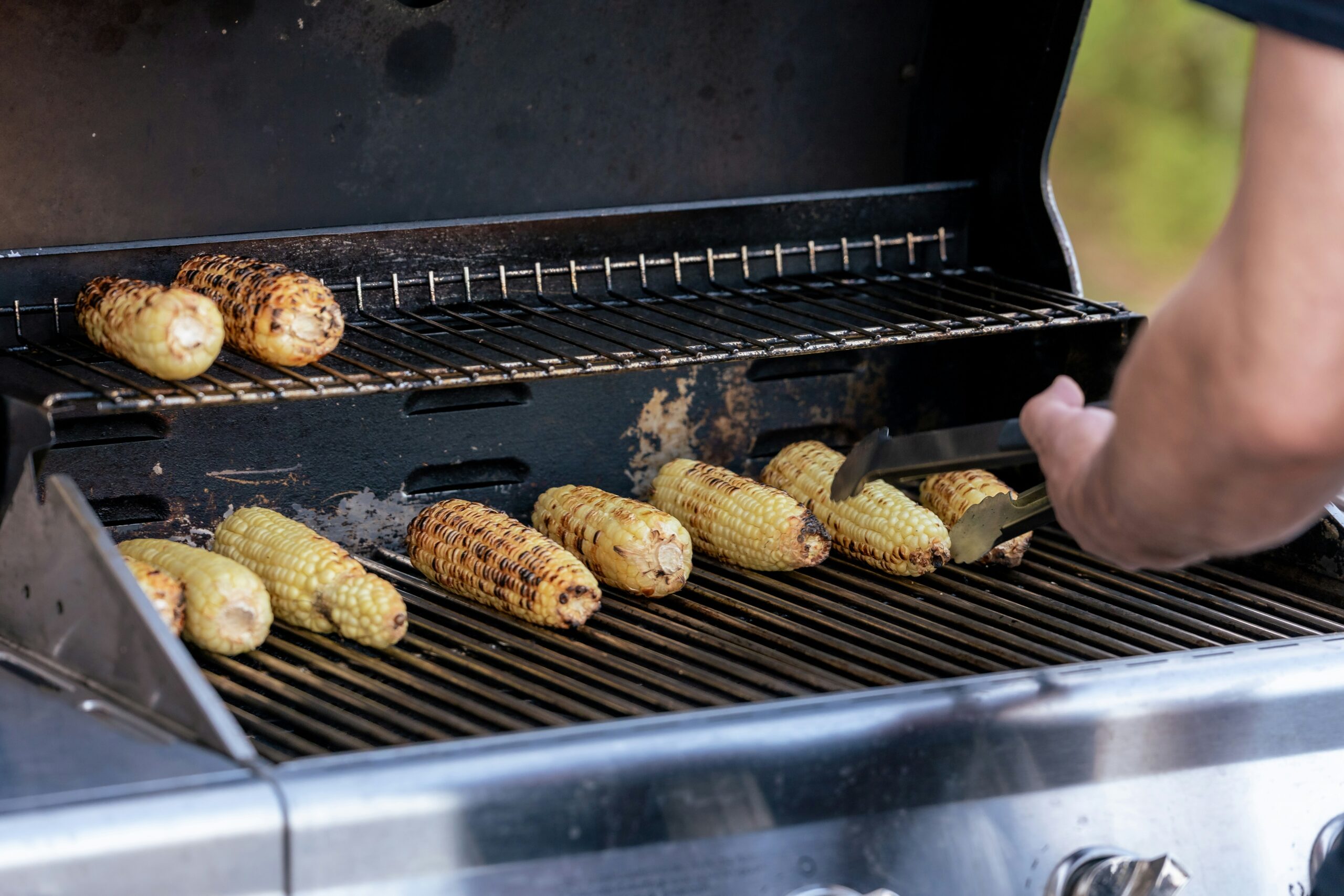
Out back, corn shows up when the sun stays high. Boiling water works fine, sure – yet so does fire or steam. Each way brings flavor, though some take pots, others need flipping. Time adds up, especially with dishes piling nearby. Grilled husks leave marks; boiled ones peel clean. Either path delivers that sweet, juicy bite folks expect.
Start fast. A microwave cuts time when making corn. Instead of boiling water on a stove, it needs just minutes – less power too. Moisture stays locked inside the kernels, so they taste fresh. People rushing through dinner – maybe after class, work, or chores – find this method fits tight schedules. Small portions heat evenly without fuss. Speed meets simplicity with practical kitchen cooking tips.
When you get the hang of it, ease never means losing taste or feel. What matters is keeping things rich even when they’re simple. Done right, smooth steps still deliver depth. The trick? Not letting speed drain the soul out of the result. Each move stays quick but keeps its weight. Flavor sticks around, even under pressure. Texture holds firm without extra effort. It works because care hides inside the shortcut. Nothing gets lost if attention comes first. Ease fits only when nothing vital slips away.
Core Ideas and Basics
How Microwaves Heat Corn
Food changes fast inside a microwave, not like in regular ovens. Heat comes from outside in when using stoves, but here things shift from the inside out because tiny bits of water start moving as waves hit them.
Inside each kernel, water begins to warm when heat is applied, following basic microwave heating principles. Steam builds slowly, pushing outward through the flesh of the cob. Moisture moves from center to edge, softening texture along the way. Heat works inward first, then spreads, keeping sugars intact. The result feels tender, not tough, after cooking completes.
Why Moisture Matters
Fog inside the box helps food cook just right. Moist air changes how fast things heat up.
Water inside fresh corn turns to steam when heated. As it heats up, that moisture works into the kernels. The process keeps them tender without needing more liquid. Often, there is already plenty of internal hydration for even cooking.
Left on, the husk traps steam like a shield, keeping the inside juicy while it cooks. Moisture stays locked in because the outer layer holds everything together during heating.
Freshness Affects Results
Freshness shapes how good the cooked corn turns out. What matters most is when the ears were picked. Earlier harvest means better taste later. Timing affects everything about the final dish. The clock starts ticking right after picking.
Right away after picking, corn holds plenty of water along with its sweet taste, which is why sweet corn storage guidelines matter. Over time, sweetness fades a bit as sugar shifts toward starch, changing how it feels and tastes.
Bright green husks mean a good pick when you’re choosing fresh corn. Moist silk often signals it has not dried out. Plump kernels usually indicate ripeness and sweetness inside.
Detailed Expert Guide
Cooking Corn Still in Its Husk
This method often stands out among seasoned kitchen hands. It skips fuss, gets straight to results. Most find it works fast without extra steps. For quick meals, few options feel quite so reliable.
Wrapped around the corn, the husk traps steam inside, holding water in tight. Heat stays indirect thanks to the outer layer shielding each kernel. Moisture gets held close because of how the covering behaves like a lid. Protection comes easily when the fibrous shell stands between flame and grain.
Step-by-Step Process
Start by keeping the husk whole. Instead of stripping everything, just take off outer layers that are hanging too loosely.
One ear can go into the microwave, or as many as four. Spaced out, they cook better. Even placement helps every part heat the same way.
Start things off by cranking up the microwave. Three to five minutes usually covers it for one standard ear, but toss in how strong your machine runs and how many you’re heating at once – those change everything. Timing shifts every time.
Once done, leave the corn alone for some moments. Steam still working inside finishes the job on each kernel.
Start peeling back the husk slowly – use an oven mitt or cloth since heat stays trapped inside. The corn burns bare hands. Pull layers away without rushing. Steam escapes fast once opened. Handle each ear like it’s just pulled from fire because it is.
After cooking, the silk tends to come away from the kernels without much effort. This happens because the heat loosens its grip during preparation.
Cooking Shucked Corn
Peeling off the outer layer first suits certain folks better. Cooking it later feels right to them that way.
Microwave time changes when moisture stays close. A wet paper napkin works if you drape it over the cob without tightening. Another way opens the container first – set the corn inside, then slide on the lid. Steam builds best when space allows movement underneath cloth or plastic.
Steam rises because the towel holds dampness close to the kernels. This stops them from losing their natural wetness too fast.
Most times, this method fits best with corn that’s been washed and cut beforehand.
Multiple Ears At Once
Start by tossing multiple corn cobs into boiling water – just remember each extra ear stretches the cook time a bit. A few minutes more keeps them all evenly done.
Heat from the microwave needs to reach every part of each ear. When more are added, the time needed usually goes up.
Halfway into cooking, give the corn a spin. This helps it cook more evenly. Works well if your microwave lacks a spinning plate.
Determining Doneness
When done right, corn feels soft yet holds its shape. A good bite meets slight resistance without crunching through hardness.
Bright, plump kernels show freshness. A fork meets gentle pushback, yet they yield without effort when bitten.
When corn cooks too long, it can turn mushy, rubbery, even a bit parched.
Understanding Cooking Times
One Ear of Corn
Heat moves through one ear fast, so cooking takes less time. Efficiency comes from how easily warmth spreads across it.
Microwave strength changes how long it takes – usually between three and five minutes.
Two Ears of Corn
Usually, two ears need just a bit more time to cook.
Most people cooking at home say around seven minutes works well. A short time like that often turns out just right.
Three to Four Ears
Batches that are bigger could take anywhere from eight to twelve minutes – how long depends on their size and how strong the microwave is.
When microwaves behave differently, trying a few rounds can show what works best for your machine.
High-Wattage vs. Low-Wattage Microwaves
High settings cook fast; lower ones take much longer. Heat intensity changes how quickly food warms up.
Some microwaves blast corn through in almost no time – older ones take longer, wattage matters. Not every machine moves at the same pace when heating kernels. Speed jumps when power climbs higher. Older units lag behind without strong output. High strength means quicker results inside the turntable space.
Begin with less time if the microwave feels new to you, then extend as needed. A cautious first try keeps things from burning too fast. Wait a moment before deciding it’s done – sometimes heat settles slow. Adjust after checking, never guess right away. Short bursts work better than one long shot every single time.
Improved Taste Following Meal Preparation
One reason corn on the cob remains so popular is its versatility.
After cooking, try serving it plain or spicing things up with a sprinkle of herbs or a dash of flavor. Some like extras; others prefer it clean and straightforward.
Classic Butter and Salt
Even today, people still choose this classic pairing since it brings out the corn’s sweet taste clearly. While simpler options exist, they often miss that balance. What matters most is how little gets added, letting flavor show through naturally. Still, some prefer bolder mixes – yet many come back to this one. Because nothing else lifts the essence quite like this does.
Herb Butter
Butter, once softened, takes on new life when stirred together with parsley – suddenly bright, suddenly ready for warm bread. Chives slip in quietly, adding a mild sharpness that lingers just enough. Basil brings its sunny warmth, folding into the fat like it belongs there. Dill drifts through with a cool hint of earth, balancing everything without trying too hard. Each herb changes the way the butter feels on the tongue, makes it fit better beside grilled corn or fish pulled straight off the heat.
Chili and Lime
Tang comes through when lime juice meets chili powder, bringing sharpness along with a quiet heat. A bit of zing shows up right after the spice settles into the background.
Parmesan and Garlic
A handful of finely shaved parmesan melts into warm bread, while garlic butter seeps through each layer. This version feels at home beside most main dishes on a weeknight table.
International Inspirations
Out of nowhere, corn slips into dishes worldwide without effort. Wherever it goes, bold spices grab hold alongside sharp cheeses; sometimes zesty lime cuts through. Herbs tumble in – thyme, cilantro, basil – while rich sauces wrap everything together. A humble serving turns memorable, shaped by flavor choices nearby.
real world examples practical applications
Quick Weeknight Dinner
A meal comes together when the oven handles corn, meanwhile attention stays on the stovetop for the primary course. Cooking shifts between tasks, one hand managing timing, the other adjusting heat. The kitchen fills during those evening hours, effort split without pause. Focus moves back and forth, each step timed around family needs.
With nothing more than a quick setup, corn prepares on its own. Pots and pans pile up less when it handles cooking solo.
Small Apartment Kitchens
Most kitchen areas inside apartments are quite small when it comes to preparing meals.
Instead of using a big pot, heating corn in the microwave saves space on the stove. Burners stay open for different foods cooking at the same time.
Office Lunches
When offices have microwaves, making corn for lunch is fast. Sometimes it’s ready before your coffee cools. Workers choose it because it takes almost no effort. A minute passes, then out comes warm kernels on a plate. Not everything edible needs pots or long waits. This fits between meetings without rushing. Steam rises while desks stay clutter-free. It shows how small tools shape daily habits.
When stoves or ovens aren’t an option, this veggie still works without hassle. It skips the need for heavy tools yet stays practical. Cooking becomes simpler because of how easily it fits into tight spots. Even with nothing but basic gear around, preparation moves forward. The lack of complex requirements keeps things moving.
Summer Gatherings
When the grill fills up outside, or rain slows things down, the microwave still steps in handy. Sometimes clouds roll in, other times there is just too much food crowding the flame – either way, that countertop appliance keeps working.
common mistakes and how to avoid them
Overcooking the Corn
Folks often leave it on the heat too long – way past what’s needed. That extra stretch turns things tough instead of tender.
When heat goes too far, corn turns chewy instead of tender. Some pop and harden like sun-cracked earth.
Watch the food as it cooks. Put more minutes on if it needs them.
Peeling Back the Husk Before Time
Peeling back the husk ahead of time? That changes how moisture moves during cooking. Without it, steam escapes more easily. The original shield around the food is gone. Less trapped heat means a shift in texture. Cooking unfolds differently once that layer’s removed.
When the husk stays whole, it locks in dampness, which changes how the thing feels when touched. A covering that remains unbroken holds water inside better than one split open.
Ignoring Rest Time
Many people immediately handle or cut into the corn after microwaving.
Once the corn sits a moment, heat spreads more evenly. That pause lowers risk of burns too.
Uneven Placement
One ear placed over another might heat poorly. Uneven warmth spreads when they pile up. Heat travels wrong through layered pieces. Each added part shifts how warmth moves. Too much overlap causes cold spots. Temperature skips across stacked sections. Piles trap some areas colder than others.
Line them up one deep if you can.
Using Dry Corn
Moisture drops in aged corn, making it firmer once heated. Toughness shows up more when older kernels meet boiling water. Heat changes texture further if the cobs spent time sitting. Less liquid inside means harder results on the plate.
Corn that is just picked tends to work out best.
Expert Tips and Best Practices
Corn When in Season
When harvested at the right time of year, corn holds onto extra sugars along with a juicier bite compared to what shows up later.
Keep the husk when you can
Steam builds inside the husk, making it work like a natural enclosure that tends to deliver steady outcomes.
Start Conservatively
Once food gets too done, there is no fixing it. Adding more minutes to cook happens fast. Getting back what heat took away? Impossible.
Start off fast, then stretch the minutes slowly after that.
Rotate During Cooking
Midway through cooking, give the ears a turn if your microwave heats unevenly – this often helps.
Serve Immediately
Right away after heating, corn hits peak taste – kernels stay warm, full of juice, yet bold in flavor.
Troubleshooting Common Issues
Corn Is Too Firm
When the inside still feels hard, it often means more time on heat helps. Sometimes a few extra minutes makes them soft enough.
Start with brief bursts of heat, pausing often to check softness. Finish only when just right, never rushing the change.
Corn Is Dry
Too much heat can pull all the wetness out of corn. When steam escapes too fast, kernels turn rough instead of tender. Heat without enough cover leaves grains stiff by the end.
Moist paper towels work well when heating corn. The husk trick does too if you prefer it that way.
Corn Is Unevenly Cooked
Packed too close, corn heats unevenly. Space changes everything.
Turn each piece halfway through, spacing them out when things get crowded. If one side browns too fast, shift their positions around.
Corn Seems Mushy
Softness often means it cooked too long.
Most times, shorter cooking spells fix things next round. Though it depends, less heat often helps later tries. Sometimes skipping extra minutes makes the difference down the line. Usually, cutting duration clears up what went wrong before.
Silk Is Hard to Take Off
Let the corn sit a moment so it’s easier to peel. After warming off, pull back the outer leaves.
Once the corn sits a while, the silk tends to pull away without much effort.
Frequently Asked Questions
Is cooking corn on the cob in the microwave better than boiling?
Great outcomes come from either way. Speed gives microwaves an edge, using smaller amounts of water while keeping flavors brighter.
Is it possible to heat corn in the microwave without removing the husk first?
True, leaving the husk intact ranks among top choices for microwaving – it traps steam inside, locking in dampness. The outer layer acts like a shield during heating. Moisture stays put thanks to that natural wrap. Some swear by this trick every single time. It simply works without extra steps. Steam builds right where it should. The close contact helps create more consistent results throughout the cooking process.
What microwave cooking time is typically recommended for corn on the cob?
Three minutes might be enough, though some need closer to five – depends on the microwave. Ears cook faster when fewer are inside. Wattage changes everything.
Do I need to add water when microwaving corn?
Most times, no. The water inside fresh corn creates steam while it cooks.
Is it possible to prepare several ears together?
True, you can cook more than one ear at a time – just expect it might take longer. Sometimes extra minutes on the heat make all the difference.
Watch the kernels turn golden. That color means it is ready. Steam rises steadily from the pot. The husks feel firm when touched. Time passes slowly near twenty minutes. A fork slips into a kernel easily then. Cooling begins right after removing heat.
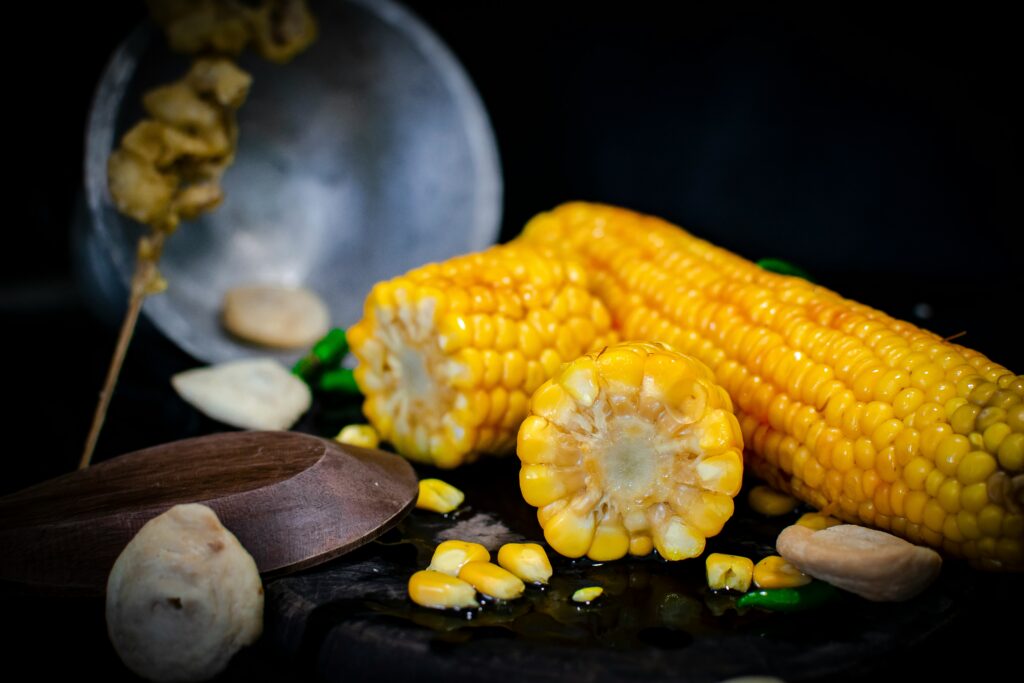
Soft yet holding their shape – each kernel gives just enough when pressed between teeth. A bit of resistance stays, though they yield without effort. Juicy little bodies swell inside, not hard, never mushy. They break apart gently, almost like breathing. Not too stiff, not falling away too soon.
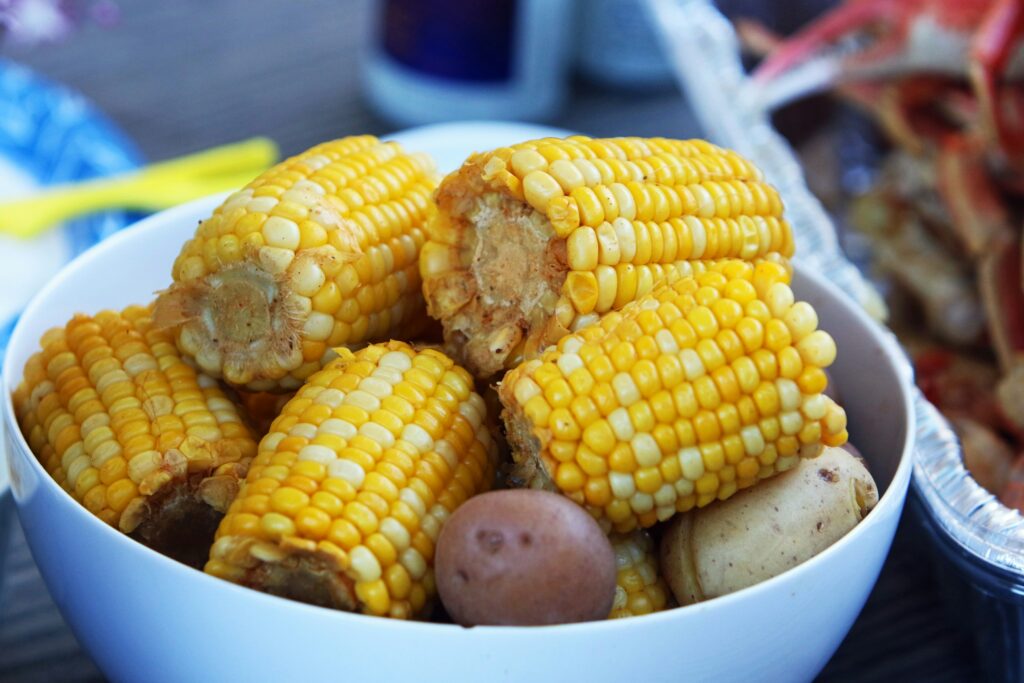
Conclusion
Cooking corn on the cob in the microwave is one of the simplest and most efficient ways to prepare this popular vegetable. Steam builds inside, trapped by the husk or a wet napkin nearby. Kernels turn soft where they meet heat, their sweetness unchanged. You peel back what covered them after time ticks down. No pots clutter the sink when you choose this way. Results stay consistent, meal after meal.
Most people overlook how wetness, duration, and wattage shape results. Yet when timed right, using small tweaks, popping corn in the microwave turns into something steady – fit for daily plates, fast midday eats, even summer cookouts. Those who want ease but still care about outcome often find this method hard to beat among ways to prepare veggies.