Accidentally knocking over a tube or bottle of craft paint onto your living room rug or bedroom floor instantly triggers panic, but knowing how to get acrylic paint out of carpet padding and yarns can prevent permanent damage to your home. Acrylic paint is prized by artists and home decorators for its quick drying times, vivid pigmentation, and water resistance once cured. However, those exact chemical characteristics make paint spills particularly challenging when they seep deep into absorbent floor coverings.
Understanding the chemical composition of acrylic craft formulas is the first step toward effective restoration, especially when learning how acrylic paint behaves on different surfaces. Acrylic paints consist of pigment particles suspended in a water-soluble acrylic polymer emulsion.
While the formula remains wet, the binder remains soluble in water, making immediate extraction relatively straightforward. Once the water content evaporates, those flexible polymer molecules cross-link and cure into a durable, plasticized film that bonds aggressively to synthetic and natural carpet fibers alike.
Whether you are dealing with a fresh, wet spill or an overlooked patch that has cured into a hard mass, successful stain removal requires matching your technique to the current chemical state of the spill. This comprehensive guide breaks down the science of paint binding, provides step-by-step restoration procedures using safe household solvents, highlights mistakes that permanently set pigments, and outlines preventative steps to keep your flooring pristine.
The Chemical Behavior of Acrylic Paint on Textile Fibers
To master how to get acrylic paint out of carpet pile without destroying the backing, it helps to understand how liquid paints interact with different carpet materials. Most modern carpets are crafted from synthetic yarns such as nylon, polyester, or polypropylene, while traditional floor coverings may feature natural wool or cotton blends. Synthetic fibers act like microscopic plastics, which can form a tight mechanical bond with the acrylic polymer matrix as it dries.
When liquid paint lands on carpet, gravity and capillary action draw the liquid down from the tips of the tufts toward the backing. If left undisturbed, the paint coats the outer sheath of each individual fiber and fills the microscopic gaps within the twisted yarn strands. As the water carrier evaporates, the acrylic resins shrink and harden into a plastic sheath that encapsulates the fibers, turning soft tufts into stiff, discolored clusters.
The age of the spill determines the difficulty of extraction, which is why how acrylic paint stains carpet fibers can vary depending on whether the paint is wet or cured. Wet paint responds well to simple water displacement and mild surfactants because the polymer network has not yet cured.
Conversely, dry paint requires chemical softening agents like alcohol, acetone, or specialized solvents to break down the hardened resin matrix before the pigment particles can be released from the pile.
Assessing the Damage: Fiber Testing and Spill Condition
Before applying any cleaning agent or chemical solvent when researching how to get acrylic paint out of carpet surfaces, inspecting the spill site and verifying fabric safety is essential. Indiscriminately spraying chemical agents can lead to fiber melting, dye bleeding, or backing delamination, which often causes more aesthetic damage than the original paint mark.
First, determine if the paint spill is still wet, semi-dry, or fully cured. Touch the edge of the mark gently with a clean paper towel; if wet pigment transfers instantly, your primary goal is liquid absorption and dilution. If the spill feels tacky or hardened like flexible plastic, you will need to rehydrate and soften the dried film before attempting extraction.
Next, conduct a patch test with your chosen cleaning solution on a hidden area of the carpet, such as inside a closet or along a baseboard. Apply a few drops of the solvent to a white cloth and press it firmly against the hidden carpet fibers for thirty seconds. Check the cloth for color transfer from the carpet dye, and inspect the test spot once dry to confirm that the pile texture and backing remain structurally sound.
Managing Fresh Wet Paint Spills Immediately
When dealing with an active spill, speed is your greatest advantage when executing how to get acrylic paint out of carpet yarns. The faster you act before the water content evaporates, the higher your chances of complete pigment recovery without leaving a faint shadow.
Begin by scooping up any excess pooled liquid from the top of the pile using a dull spoon, butter knife, or rigid cardboard edge. Work from the outer margins of the spill inward toward the center to avoid spreading the wet pigment over a wider surface area. Avoid pressing down vertically during this initial removal step, as downward pressure forces liquid paint deeper into the backing pad.
Once the excess liquid is cleared, blot the remaining mark using a clean, dry white cotton towel or paper towel. Always use a blotting motion—pressing firmly and lifting straight up—rather than rubbing or scrubbing back and forth. Rubbing shreds the delicate twisted fiber tips, causing fraying and pushing pigment particles laterally into adjacent clean carpet tufts. Continue blotting with fresh sections of the towel until no more wet color transfers onto the cloth.
After initial blotting, dilute the remaining pigment by misting the area with cool water or applying a mild solution of dish soap mixed with warm water. Press a damp cloth into the stain repeatedly to absorb the thinned paint, continuing the process until the towel comes away clean. Finish by pressing a thick stack of dry paper towels over the area and weighting it down with a heavy object to draw out residual moisture from deep within the backing.
Softening and Extracting Dried Acrylic Paint Deposits
Discovering an old, hardened paint spot requires a completely different approach for how to get acrylic paint out of carpet backing. Because cured acrylic resin is impervious to plain water, you must use a softening agent capable of breaking down the synthetic polymer bonds without dissolving the carpet backing adhesives.
An isopropyl alcohol base of 70 percent or more is one of the most powerful available solvents to penetrate dry acrylic paint. The alcohol breaks down the acrylic polymer, causing it to swell into soft lumps that will slip off carpet fibers. For tough spots of paint, glycerin or a fabric-safe commercial paint stripper can also loosen it gradually with patience.
To remove paint, apply a clean white cloth dipped in rubbing alcohol directly to the dry painted area of the carpet and hold for two to three minutes, allowing the alcohol to sink into the thick crust and swell it.
Gently remove dried paint by scraping the softened, lumpy areas with the bristle of a soft toothbrush or the edge of a plastic spoon in tiny clockwise motions to lift paint from the carpet fibers one piece at a time.
As the dried paint breaks down into a sludge-like consistency, blot the area immediately with a fresh, alcohol-dampened cloth to lift the released color out of the pile. You may need to repeat this saturation, agitation, and blotting process several times for heavy, thick paint drops. Once the paint is fully removed, rinse the area with a water-dampened cloth to remove leftover alcohol residues and restore the natural lay of the carpet pile.
Chemical Solvents and Alternative Household Solutions
When standard rubbing alcohol falls short on dense or dark pigments, evaluating alternative household chemicals provides additional options for how to get acrylic paint out of carpet installations. Each chemical solvent carries distinct handling procedures and compatibility profiles depending on your carpet fiber type.
Acetone – Available in standard nail polish removers, acetone is a strong solvent that quickly breaks down dried acrylic polymer and is very efficient. Extreme care is advised, however, as melting plasticcarpet fibers (acetate, triacetate) and the substrate’s latex backing adhesive are possible risks. Always test first in an inconspicuous location and use cautiously with a cotton swab, just on the painted fibers.
White distilled vinegar and warm water – This eco-friendly and milder approach is excellent for spills of fresh product or post-wash residue. The acid in the vinegar can break down the pH on soaps (alkaline substances) or mild color particles and does not damage synthetic carpet fibers or most wool. Citrus-based adhesive removers – these effective removers utilize d-Limonene, a natural extract, to penetrate dried sticky residues.
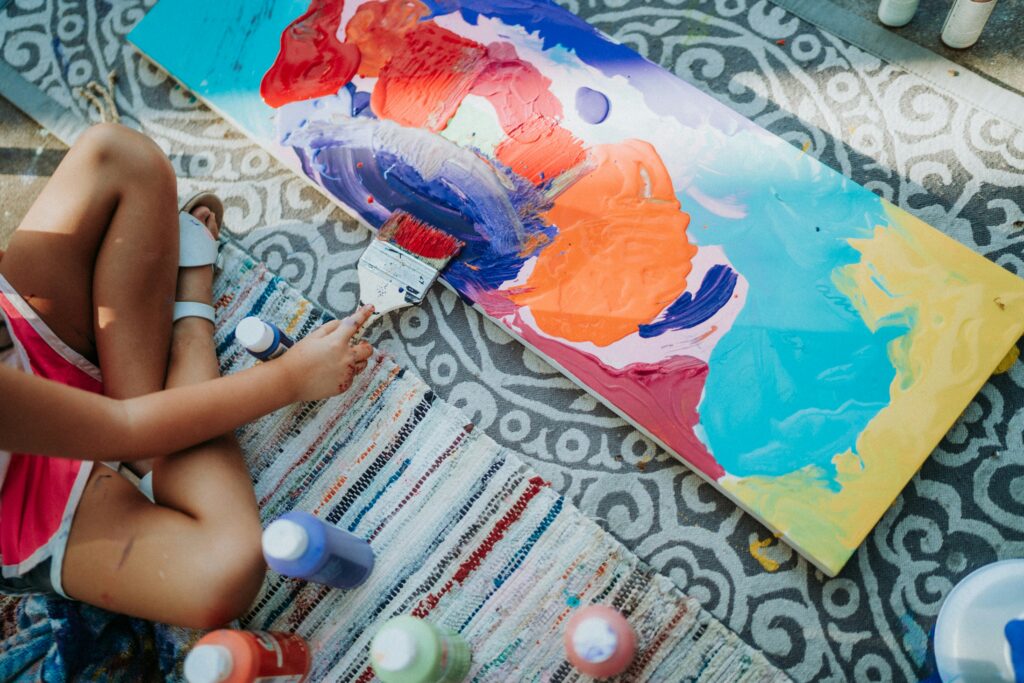
Commercial bio-enzymatic upholstery cleaners or specialized spot removers engineered for water-based paints present another reliable avenue. These products utilize targeted surfactants to lift bound pigments away from textile fibers, offering a balanced solution when home kitchen remedies fail to deliver complete restoration on delicate floor coverings.
Comparing Removal Methods Across Carpet and Paint Types
Understanding which treatment yields optimal results for how to get acrylic paint out of carpet materials requires assessing spill state, solvent compatibility, fiber risk, and required labor effort.
Warm Water and Mild Dish Soap serves as the safest initial approach for fresh, wet paint spills on all carpet types, including synthetic and natural wool fibers. It offers low fiber risk and requires simple physical effort, though its performance on dried or cured paint films is minimal.
Isopropyl Rubbing Alcohol is highly effective for breaking down dried or semi-cured acrylic paint on synthetic nylon and polyester carpets. It presents low risk to synthetic dyes and medium labor effort, though it should be applied cautiously on delicate natural wool fibers to prevent dryness.
Acetone or Nail Polish Remover delivers rapid dissolution of thick, hardened acrylic crusts on colorfast nylon and polypropylene floor coverings. While performance on stubborn cured marks is high, it carries a high risk of melting acetate fibers or dissolving latex carpet backing if applied excessively.
Distilled White Vinegar and Water provides a safe, mild cleaning and rinsing solution for light paint shadows or sensitive wool and cotton carpets. It features zero risk of fiber melting and minimal labor, making it ideal for finishing touches after primary solvent extraction.
Mistakes That Can Permanently Ruin Carpet Fibers
When homeowners urgently search for how to get acrylic paint out of carpet padding during a spill emergency, hasty actions often lead to permanent carpet damage. Avoiding widespread errors preserves the structural integrity and appearance of your flooring, especially when following effective carpet stain removal tips.
Aggressive scrubbing with stiff wire brushes or abrasive pads is one of the most destructive mistakes you can make. Scrubbing distorts the factory twist of the carpet yarns, causing a fuzzy, matted texture known as blooming that remains permanently visible even if the paint pigment is completely removed. Always rely on gentle blotting, pressing, and light pick agitation with soft tools.
Wasting enormous amounts of heat as part of stain removal, by, for example, pouring a kettle of boiling water onto a wet stain or applying a hot clothes iron to damp acrylic paint is a serious problem. Heat speeds up cross linking of the acrylic polymer, baking the paint into the synthetic fabric and changing a surface, removable stain into a dyed fiber. Always employ a cool or lukewarm extracting medium.
Lastly, flooding the carpet with an excessive amount of water or the appropriate chemical liquid solvent can result in liquid paint being washed past the upper surface fibers to settle into the supporting backing pad underneath the top layer of fiber.
When the carpet dries, the paint will then continue to wick from the backing pad, reappearing as a permanent shadow stain until it has been fully extracted from or the pad replaced.
Professional Restoration and Deep Extraction Options
If home cleaning protocols do not achieve complete pigment removal, seeking professional carpet restoration services is a logical next step for how to get acrylic paint out of carpet installations. High-value carpets, antiques, or large-scale studio spills often benefit from commercial extraction equipment operated by trained technicians.
Professionals use truck mounted hot water extraction units which employ exact fluid pressure with high-lift vacuum suction to inject and extract solution rinse into carpet pile and wash out the paint as it is being emulsified in the solution, ensuring that the solution can not penetrate the carpet foam padding or run to other, clean, fiber.
In cases such as these with dried paint that adheres a good portion of the carpet fiber to itself forming a “block,” the professional can trim back the fibers to create “seamless bonded inserts.” These are installed by cutting out the damaged tuft and replacing with matching donor carpet fiber salvaged from a closetside or leftover remnant
Preventative Measures for Home Artists and Decorators
Once you have resolved your immediate spill and mastered how to get acrylic paint out of carpet yarns, implementing protective habits prevents future painting accidents from damaging your home interiors.
Whenever I break out paints, inks, or crafting consumables in a carpeted room, I always establish a protective drop cloth barricade. Canvas drop cloths work infinitely better than cheap plastic sheets because the heavy material immediately absorbs liquid splatters, while the slippery plastic just collects wet paint on top – a potential slip-hazard that inevitably gets smeared on pristine carpeting by the soles of your shoes, or by the paws of Fido or Mr. Whiskers.
Keep your own on-hand emergency stain kit on hand in your dedicated space of creativity.
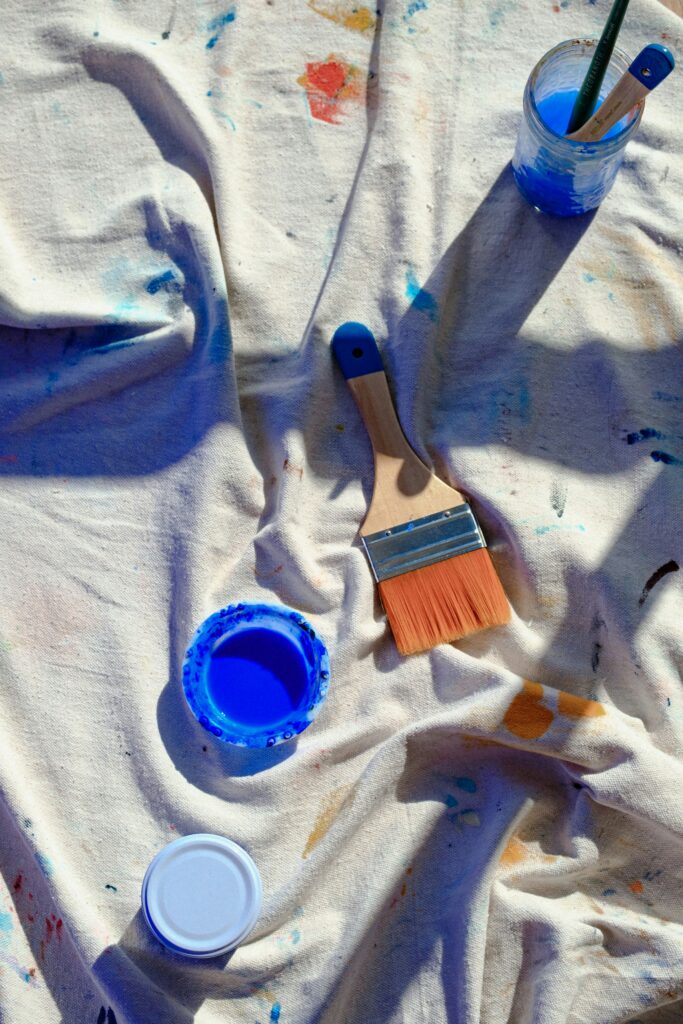
It only consists of paper towels, a spray bottle of water, rubbing alcohol, a soft-bristled brush, and some spare clean, white rags. It will save you several precious minutes, not to mention an ugly paint stain, not searching for supplies.
Protect areas frequently used: if you typically paint in your carpeted home office or living room, consider covering high traffic areas under your easel with a rigid plastic chair mat or a washable runner rug. These items will capture light splashes, splatters, and small drips and can easily be removed and washed down after each creative session.