Asian cuisine is loved around the world for its bold flavors, colorful ingredients, and wide variety of cooking styles. From quick stir-fries and comforting noodle bowls to fragrant rice dishes and flavorful soups, there are countless meals that can be prepared without spending hours in the kitchen. If you’re searching for easy Asian recipes at home, you’ll be happy to know that many classic dishes require only a handful of ingredients and simple cooking techniques.
The beauty of cooking Asian at home is that all of the recipes can be personalized. Sprinkle in more chilies, ditch the sodium, substitute in the veggies you crave, and stick with your favorite proteins–it’s all you! Cooking at home is the surest bet to fresh ingredients and, of course, the quickest way to healthy, well-balanced meals. From complete newbies to advanced home cooks, a few staple ingredients and kitchen tricks are all you need to whip up an authentic Asian meal, weeknight or not.
Why Homemade Asian Cooking Is So Popular
Many folks have been taught that Asian food can be difficult or will require some hard-to-find kitchen equipment, but this couldn’t be farther from the truth. A lot of Asian food uses a very simple technique – whether it’s stir-frying, boiling, steaming or pan-frying – and most home kitchens are perfectly capable. 1.
More affordable: It almost always costs less to make your whole family a delicious home-cooked meal rather than a to-go meal.
Rice, noodles, soy sauce, ginger, garlic, frozen vegetables (a lot of these ingredients are utilized in these recipes) are all pantry items that you can reuse over and over, and cut down the overall grocery bill and waste. 2. Versatile: Most of these Asian-inspired recipes can be thrown together with a combination of frozen vegetables and pantry ingredients, and are perfect for those hectic weekday dinners!
Essential Ingredients for Easy Asian Recipes at Home
You don’t need a fully stocked international pantry to begin preparing easy Asian recipes at home. A few versatile ingredients can be used across dozens of different meals.
Many stir fries, marinades and noodle recipes have a base of soy sauce. Sesame oil adds a savory depth to a dish, but it should not be used for cooking the dish. Rather, it should be used sparingly towards the end for flavor enhancement only.
You can add fresh garlic, ginger, and scallions for additional flavor and color while learning more about Asian cooking techniques.
It’s important to include a mild acid, such as rice wine vinegar, in your savory sauce to help balance out the dish. If you like it hot, add red pepper flakes or chili paste. Most types of protein, such as chicken, beef, eggs, shrimp, or tofu, go well with stir fry recipes. Typical vegetables used in stir fry include broccoli, spinach, carrots, peppers, cabbage, snap peas,bok choy, or mushrooms.
By stocking up on these basics, you’ll have easy access to quick and healthy homemade stir fry.
Easy Asian Dishes for Beginners
If you’re just starting to explore easy Asian recipes at home, begin with meals that require minimal preparation and straightforward cooking techniques.
Vegetable Stir-Fry
A vegetable stir-fry is one of the fastest meals you can make. Cook your favorite vegetables in medium-high heat with garlic, ginger, soy sauce, a splash of sesame oil, and enjoy over rice or noodles.
Fried Rice
Fried rice is a great way to use up old rice. Mix in scrambled eggs, veggies, soy sauce, and your choice of protein.
Garlic Noodles
Garlic noodles are another simple, yet flavorful dish to cook. Mix together cooked noodles, butter, minced garlic, soy sauce, and a splash of sesame oil. Top with chopped green onions.
Teriyaki Chicken
Chicken cooked in a homemade teriyaki sauce makes for a filling, family-friendly meal. Pair it with steamed vegetables and a serving of rice for a well-balanced meal.
Tips for Better Results
Preparing easy Asian recipes at home becomes much easier when you follow a few basic cooking principles.
Get everything ready first: Some Asian foods cook so fast that you may only have a few seconds to prepare your produce once it hits the pan. High heat: One key factor that makes Asian cooking quick and delicious is its reliance on high-heat stir-frying, which ensures that veggies stay crisp while maximizing flavour without over-cooking. Don’t overfill the pan: You’ll end up steaming your food, instead of charring it like in the best restaurant stir-fries. Taste as you go: You may only need to add a tiny dash of vinegar, a pinch of sugar, a spoonful of soy sauce or a bit of chilli to achieve the perfect balance of flavors in your dish.
Making Asian Cooking Healthier
One reason many people enjoy easy Asian recipes at home is the ability to prepare healthier versions of restaurant favorites.
Lean proteins, extra vegetables, brown rice or whole grain noodles and less added salt or sugar are some of the many simple modifications that can make any of your dishes healthier. Broiling, stir frying with a bit of oil and grilling are all wonderful options when it comes to how you prepare your food. Best of all by cooking from scratch you retain 100% control of your portions, ingredients while being able to present truly spectacular meals that are just like what you can order from a favorite restaurant!
You will soon discover with just a few staples, some greens and a simple cooking technique it’s easy to produce delicious and authentic tasting asian-inspired food that is sure to become your signature.
Once you’ve started, you may find it very difficult to not constantly find ways to revamp, reinterpret and make your beloved recipes new again!
Easy Ways to Add More Flavor
One of the reasons people love easy Asian recipes at home is the balance of sweet, savory, spicy, and tangy flavors. Fortunately, you don’t need complicated ingredients to achieve great taste.
Add fresh cilantro, Thai basil or green onions for an added splash of color and flavor on top of the final dish. A sprinkle of toasted sesame seeds will give it an extra touch of texture and a little nutty crunch, while a squeeze of fresh lime juice can really lighten up soups, noodle bowls and stir-fry dishes. Chili flakes, sriracha, chili garlic sauce or sliced chilies will bring the heat level to where you like it.
If you find your dish is a bit too salty due to ingredients like soy sauce, add a touch of honey or brown sugar to mellow out the saltiness by understanding how to balance flavors in cooking.
They’re small, simple additions that pack a flavorful punch.
Common Mistakes to Avoid
When preparing easy Asian recipes at home, avoiding a few common mistakes can greatly improve your results.
Don’t over-cook the vegetables! So much of classic Asian cooking is based around the fresh and crunchy taste of lightly cooked vegetables, where they still maintain their bite and do not turn into an mushy, mushy disaster. – Using to much sauce! – you might think you’re adding to the flavor, but what you’re actually doing is adding salt.
This will turn your delicious dish into something far too salty with the flavor of the sauce instead of what is being cooked. – Fresh hot rice! – When you are trying to make fried rice you don’t want to use rice that is straight out of the cooker hot. This is because the fresh rice is far more moist and starchy and therefore has a tend to clump andstick. Don’t cook on low heat!
Meal Prep Tips for Busy Days
Many easy Asian recipes at home are excellent choices for meal preparation.
Chop up all your veggies ahead of time so you can use them to prep lunches or weeknight dinners! Store your homemade stir-fry sauces in airtight containers in the fridge. Prepare an extra big batch of rice that can be used in multiple meals throughout the week.
Leftover rice makes excellent addition to a fried rice, grain bowls or an easy stir-fry as a side.
Marinate protein to cook during the week! Use pre-marinated chicken, beef, tofu or shrimp and store it in the fridge, reducing your cooking time even more. This will allow you to make delicious Asian-inspired recipes from home in less than 30 minutes..
Choosing the Right Cookware
Although specialized equipment can be helpful, most easy Asian recipes at home can be prepared using standard kitchen cookware.
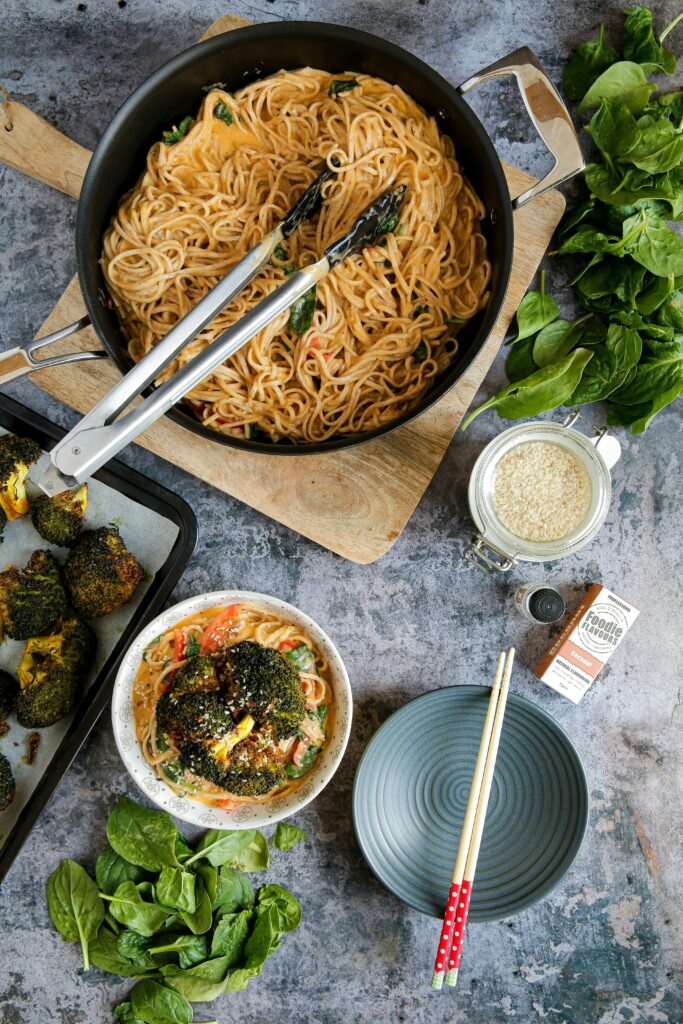
The big non-stick skillet is a good option to buy when you do stir-fries, fried rice, and noodles. You can just toss the food up into your wok if you had one in your kitchen since it comes with slanted sides and cooks evenly.
Conclusion
Preparing easy Asian recipes at home is a practical way to enjoy fresh, flavorful meals while controlling the quality of your ingredients with more home cooking inspiration. With a few pantry staples, fresh vegetables, your favorite protein, and simple cooking techniques, you can recreate many popular Asian-inspired dishes in your own kitchen.
If you need a vegetable stir-fry, a fried rice dish, a garlic noodles, or a teriyaki chicken, here are the readily available recipes which are sure to offer healthy options of meals you can create on your own. You will also have an opportunity to personalize them based on your own needs and serve healthy food that is cost-effective.
Frequently Asked Questions
1. What are the easiest Asian recipes for beginners?
The easiest Asian recipes for beginners are vegetable stir-fry, fried rice, garlic noodles, teriyaki chicken, and simple noodle soup.
2. What ingredients should I stock for easy Asian recipes?
The ingredients that you should stock for easy Asian recipes are soy sauce, sesame oil, rice vinegar, garlic, ginger, green onions, rice, noodles, and vegetables.
3. Can I cook Asian recipes without a wok?
Yes, you can cook Asian recipes without a wok. You can use a large skillet with non-stick surfaces and a stainless-steel frying pan to prepare your favorite stir-fried dishes and fried rice.
4. Are homemade Asian recipes healthy?
Yes, homemade Asian recipes are healthy because you can control how much oil, sodium, sugar, and meat you include in your meals. Moreover, you can use healthy ingredients like lean meat, vegetables, and whole grain products for your homemade dishes.
5. Why should I use leftover rice for fried rice?
You should use leftover rice for fried rice because it will help you avoid getting mushy fried rice. Moreover, leftover rice is drier than fresh rice.
6. Can I substitute ingredients in Asian recipes?
Yes, you can substitute ingredients in Asian recipes. The majority of these recipes are very flexible and can be modified according to your nutritional needs and the ingredients available in your kitchen.
7. How can I make my home-cooked Asian meals taste better?
You can make your home-cooked Asian meals taste better by using fresh garlic and ginger, soy sauce, sesame oil, and rice vinegar. Moreover, you should cook your meals at high heat to bring out their unique flavors and achieve more authentic-tasting dishes.