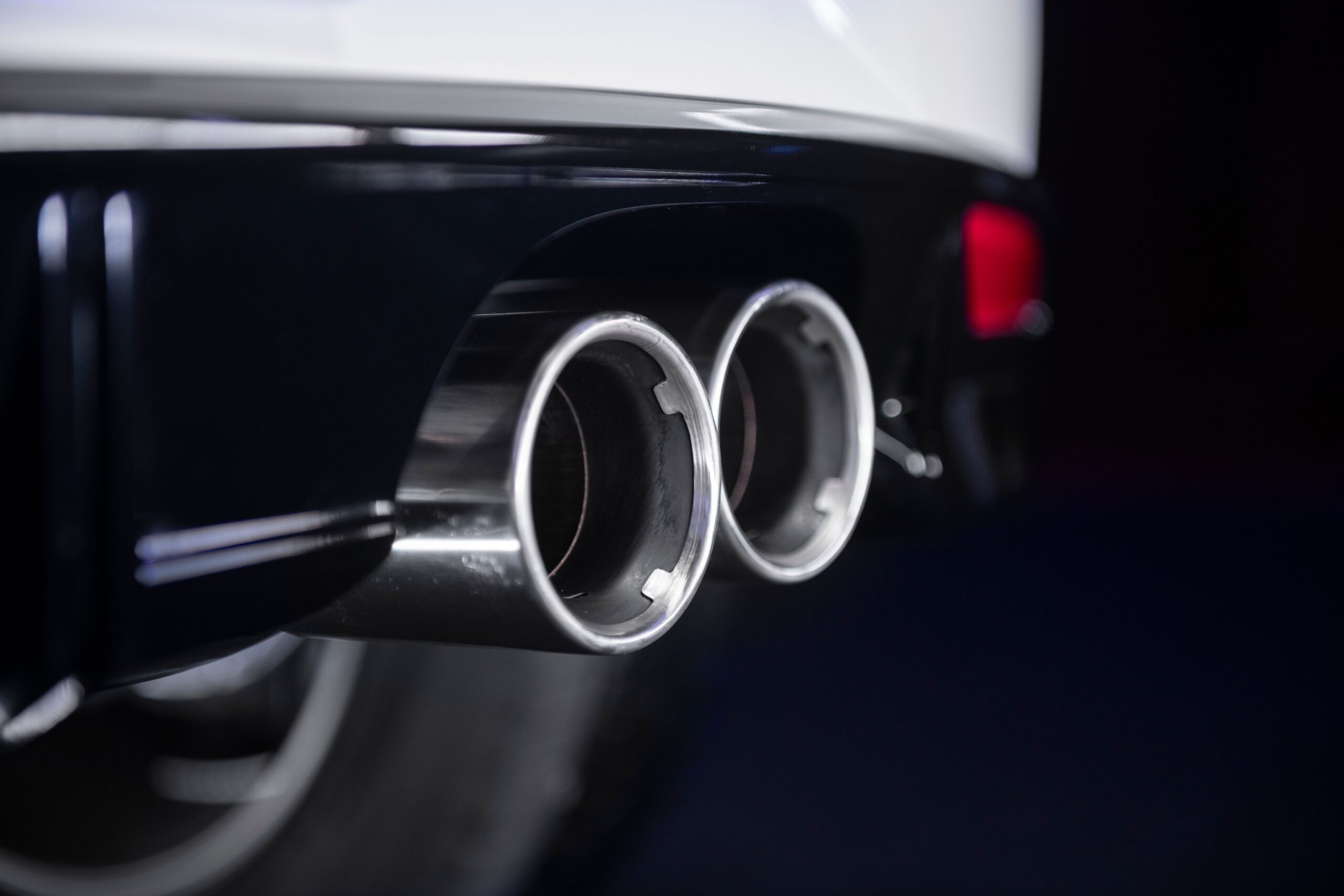
Seeing water coming out of exhaust can make a car owner wonder whether the engine is leaking coolant or whether something inside the exhaust system has failed. In many situations however a few drops of clear water from the tailpipe are completely normal because exhaust condensation can form as the system cools.
The distinction really falls on normalcondensationversus water related to mechanical issue. Your engine generates water vapor during combustion and the vapor can condense inside the exhaust system when the vehicle is running in cool weather or during short trips.
The in-depth Guide The in-depth guide covers all you need to know about water under the pipe: what causes water in the exhaust,how water vapour from your exhaust occurs,what the various symptoms can represent and Which groupings of signs really need some investigation from specialists. Our objective right here would not just inform you ifwater through your tailpipeis ” normal,” but give you the information you need to know why that is happening as well as identify some early indications that you should seek professional advice.
What Does Water Coming Out of Exhaust Usually Mean?
In most cases, a small amount of clear, odorless water dripping from the tailpipe means that moisture has condensed inside the exhaust system.
Other components of gasoline are combusted including water vapor. Although the exhaust gases are hot some of this water is vapor. When the exhaust gases and metal have cooled some of the water vapor condense from a gas to a liquid water.
Think about when warm, wet air comes into contact with a cold surface – a fogged-up window or a chilly can. Small water droplets appear on it since the temperature becomes low enough for that moisture in the air to condense out of gas form into tiny little drops. Inside a vehicle’s engine, it’s working in a like fashion.
The water can gather in the muffler and exhaust pipes, especially if you do short trips that keep the exhaust system from getting hot enough for the water to evaporate.
Why It Is More Noticeable During a Cold Start
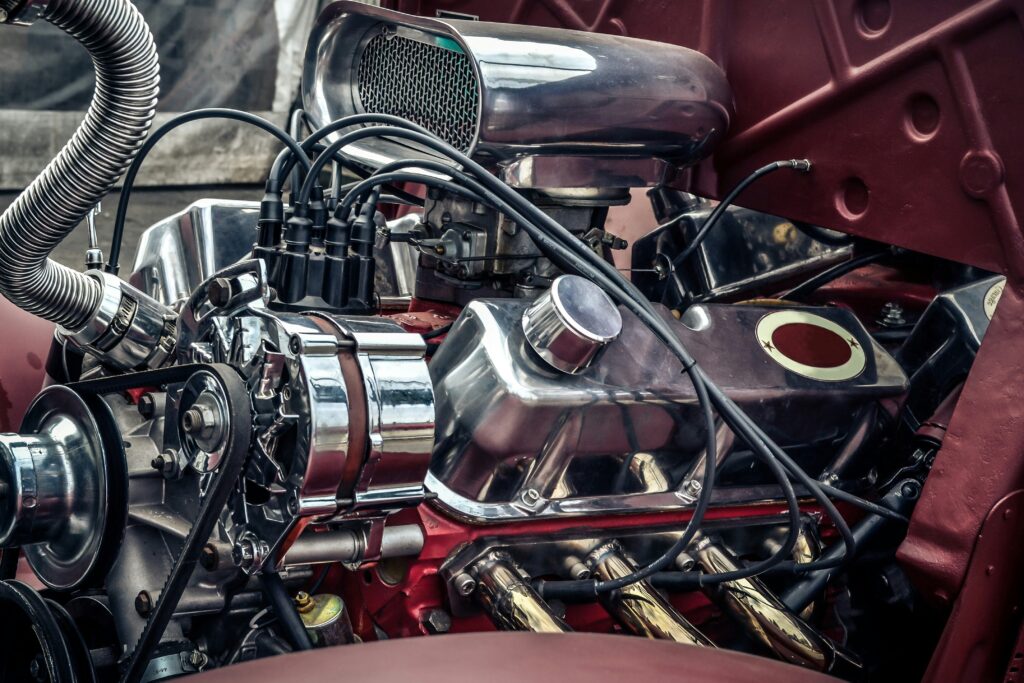
A cold engine and cold exhaust system make condensation easier to notice.
When the vehicle has been sitting idle, moisture may linger in the exhaust. When the vehicle begins to run, exhaust gases flow throughout the system – at high temperatures and the exhaust system’s more moderate temperature. Part of the trapped condensation will begin to form visible drops or vapor.
That’s why on occasion the tailpipe will weep small amount of liquid soon after first starting the engine on cooler and/or humid days.
While a light drizzle of fluid which quickly dissipates at operating temperatures likely poses no threat to the vehicle, a steady flow of fluid combined with other signs and symptoms may indicate other issues are present.
How Combustion Creates Water Vapor

If You Know the Chemistry the Phenomena becomes Easier for You to Recognize Gasoline Is actually a Blend That Is composed Mainly of Hydrogen and Carbon (Hydrocarbons) When they are Burnt (Combusted Normally). The Byproducts of that combustion contain water vapor and carbon dioxide. And That water goes Out of the Exhaust.
An Exhaust System Does More Work For Your Vehicle.
Such As; It Cleans up harmful gas The Catalan converter will turn some bad fumes of combustion gases to less dangerous compounds. Again Water Vapor Is a resultant in Many processes. It’s therefore not Always an Indicator Of A Leak. In fact.
Water exiting your tailpipe is a normal part of engine operation because combustion naturally produces water vapor.
When Water From the Tailpipe Is Usually Normal
Several clues point toward ordinary exhaust condensation.
Small Amounts Of Clear Water
A few drops of clear liquid are less serious than a steady stream of liquid. The liquid should also be close to water in consistency and not some other colored or oily auto liquid.
When Water Appears While The Car Is Starting Up
Condensation is more likely to happen when you’ve been sitting in the car and the exhaust system is cold
If you see a few drops appear while you start the car and then slowly begin to dissipate, this is more than likely condensation. Some people even experience white vapors coming out of their tailpipes when they first start their car for the day. The same principle applies here.
Cooler Temperatures Or High Humidity
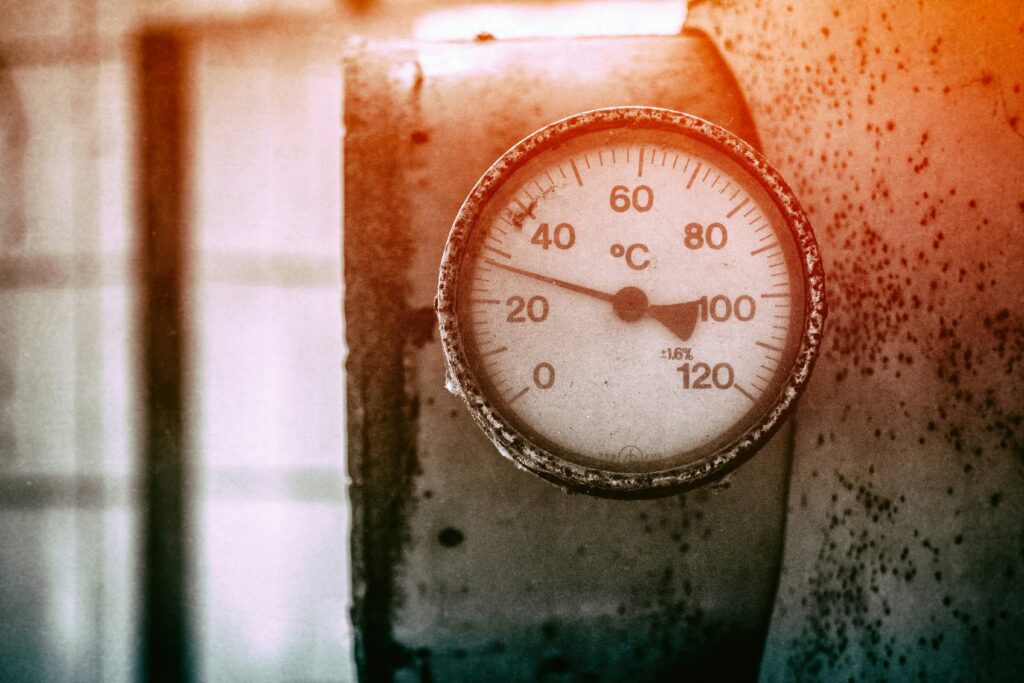
The amount of condensation you see is largely dependent on the weather your car is exposed to.
Condensation is easier to see on cold days much like how you can see your breath on cold mornings. High humidity can also play a part in making condensation more prevalent in your exhaust system.
Frequent Short Trips
When you take very short trips you are not allowing your exhaust system to properly reach operating temperature. This means any condensation that forms will not dissipate as quickly until the next time you start the engine. This is not a concern however, this simply explains why cars that are driven more often with shorter trips have more water dripping from their tailpipes than cars with longer drives in between.
When Water Coming Out of Exhaust May Indicate a Problem
Water from exhaust is more worrying in combination with other symptoms.
The most important thing to note is that you should not focus on the water itself. The overall picture is often more important than individual details.
Persistent thick white exhaust, the smell of antifreeze, loss of coolant, engine overheating, rough idle or loss of performance are all symptoms which could point to a significant problem.
Persistent Thick White Exhaust
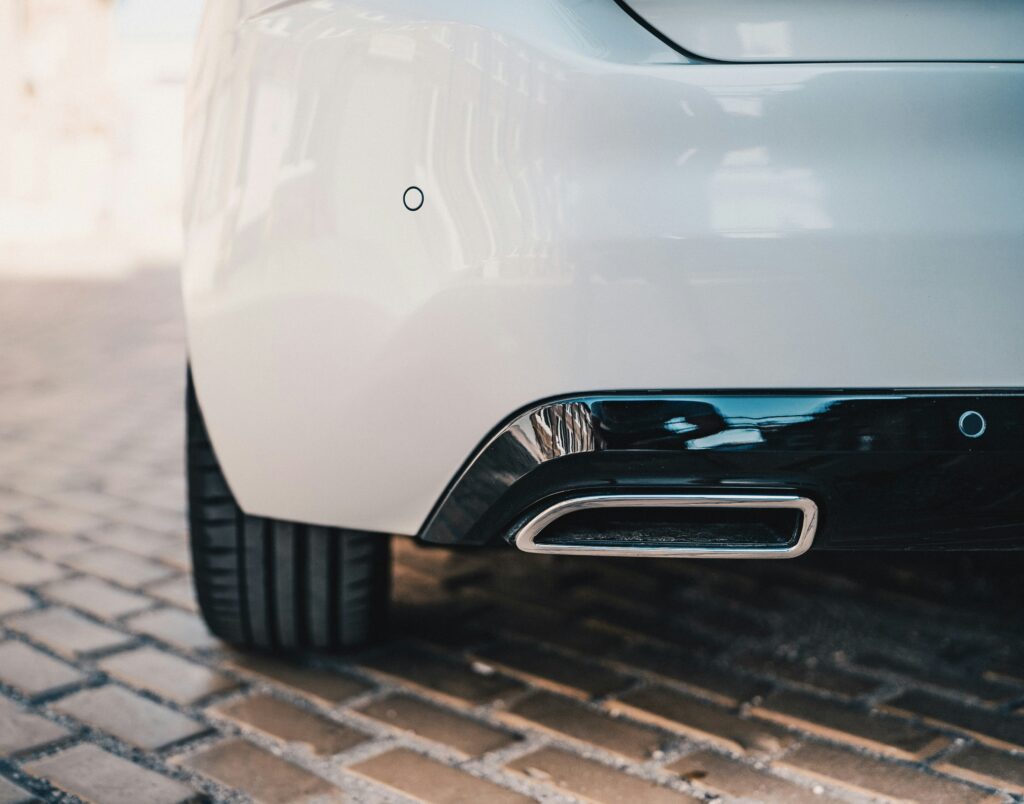
“Thin white streaks of vapor from the tailpipe which dissipate as the engine warms up are normal exhaust vapor.”
Thick white exhaust which persists once the engine has warmed up signals that coolant is getting past some barrier and into the combustion chamber, where it is evaporated along with the fuel.
A faulty head gasket is one potential cause of the problem, though some other reason related to the engine block or cylinder head could be responsible as well.
Coolant Level is Falling
If you find that you are constantly having to top up the engine coolant and there are no obvious signs of a leak, then there’s a good chance that some of the coolant is finding its way into the engine, where it is being evaporated.
Some manufacturers have service notes with the National Highway Traffic Safety Administration which state that certain coolant leaks can cause white smoky exhaust as well as low coolant levels.
The fact that you’re seeing sweet-smelling vapors and coolant loss, rather just water, indicates that there could be more going on than just a simple condensation issue.
Sweet-Smelling Exhaust
Coolant typically has a rather sweet smell to it, which means that if you smell something sweet coming from the tailpipe, that’s another symptom that could be pointing towards a bigger issue.
In combination with the other signs you should be looking for, it is much more significant than just a few stray drops of water on the ground.
Engine Overheating
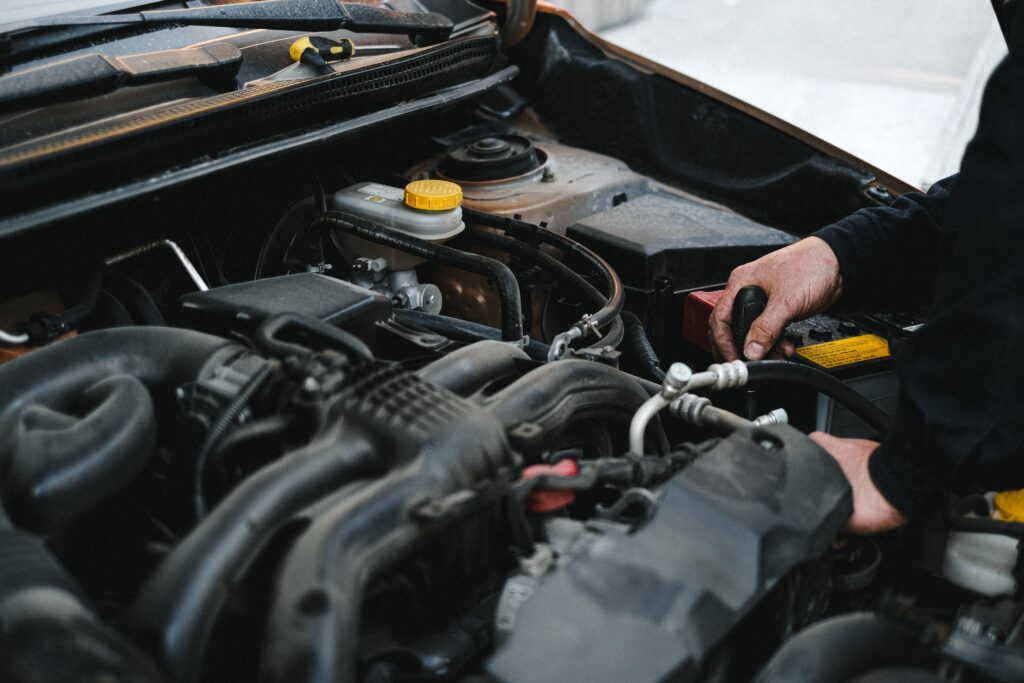
“Overheating should always be taken seriously as it can indicate a serious engine problem.”
In case you happen to see water vapors coming from the exhaust pipe in combination with the temperature warning light, high temperature gauge reading or noticeable coolant loss, the situation needs to be investigated more closely, rather than dismissed as simple condensation.
Water vs. Coolant: Why the Difference Matters
One of the easiest mistakes is assuming every liquid near a vehicle is water.
Pure condensation is typically clear, water-like in thinness, and it lacks any odor. Coolant-its appearance and smell is vary depending on what it is, it can even have a physical texture unlike normal water.
Firestone recommends identifying the type of vehicle fluid before trying to determine the cause of a leak because coolant and condensation can have very different causes.
Why Short Trips Can Make Exhaust Condensation Worse
One concept which requires more consideration is Short Trip Driving. This may account for otherwise unexplained incidents.
For example, if one drives at low speed, for around five minutes, to the local shop, the engine cold starts to a hot exhaust and is immediately switched off, while the exhaust remains hot only for a short period of time. Condensate can form inside the exhaust and after a series of cycles the water may begin to build. Prolonged short trips can contribute to water vapor buildup and internal condensation that may increase the risk of exhaust corrosion.
This does not mean that it is bad to drive short distances, simply that it can be used to explain why one finds a build up of condensation in such a vehicle, when it doesn’t happen in another that never really drives further.
What White Exhaust Smoke Can Tell You
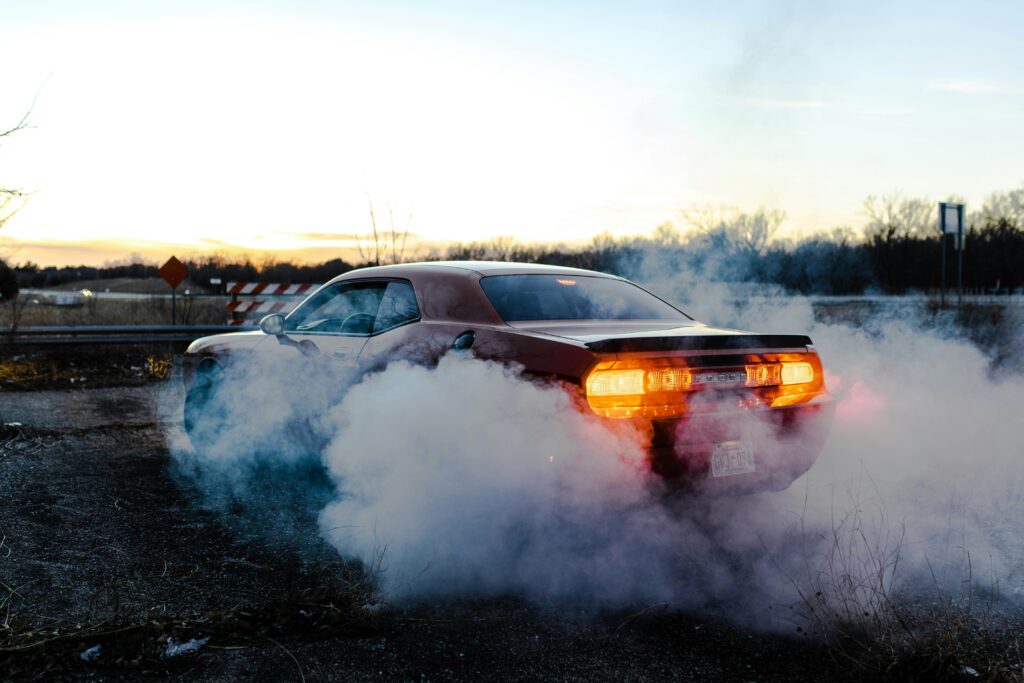
Water and smoke are related but should not be treated as identical symptoms.
| What you observe | More likely explanation |
| A few clear drops at startup | Normal condensation |
| Thin white vapor that disappears as the engine warms | Water vapor |
| White vapor on a cold day | Normal condensation is possible |
| Thick white smoke that continues | Possible coolant entering combustion |
| White smoke plus falling coolant level | Cooling-system or engine problem should be investigated |
| White smoke plus overheating | Prompt professional inspection is important |
| Water plus unusual exhaust odor | Further diagnosis may be needed |
This table is a starting point, not a diagnosis. Different vehicles and engine designs can produce different symptoms, so persistent or unusual behavior should be evaluated in the context of the specific vehicle.
Can Water Damage the Exhaust System?
Water in itself does not suggest any faults in the exhaust system. Persistent moisture is the real issue. Exhaust system parts must withstand high temperature, moisture, road debris and temperature fluctuations.
Condensation and expansion andcontraction on a regular basis can weaken internal components from rust, especially with short distance driving which is typical in cars used predominantly for local trips.
Eventually all the mufflers, pipes and joints may begin to rust, which is why it is normal to see a small amount of water coming out of the exhaust pipe, but accumulation is a different problem altogether.
A Practical Way to Evaluate the Situation
Instead of immediately assuming the worst, evaluate the symptom systematically.
Step 1: Observe When the Water Appears
Does it happen only immediately after starting the vehicle, or does it continue throughout the drive?
Startup-only water strongly fits the condensation pattern.
Step 2: Look at the Liquid
Is it clear and watery, or does it appear colored, oily, or otherwise unusual?
Clear water is more consistent with condensation, while unusual fluid characteristics require further investigation.
Step 3: Watch the Exhaust
Pay attention to whether the exhaust is merely producing a brief white vapor or continuously producing thick white smoke.
This distinction is important because temporary vapor is commonly associated with condensation, while persistent white smoke can indicate coolant entering the combustion process.
Step 4: Check the Coolant Level Safely
If the vehicle has a coolant reservoir, monitor the level according to the manufacturer’s instructions.
Do not open a hot cooling system because pressurized coolant can cause serious burns.
Step 5: Pay Attention to Temperature and Performance
An overheating engine, repeated misfires, rough operation, loss of power, or warning lights make the situation more significant.
A vehicle that otherwise starts, runs, and warms normally while producing a few clear drops from the tailpipe is a very different scenario from one displaying multiple engine-related warning signs.
Common Misunderstandings About Exhaust Water
“Any Water From the Exhaust Means a Blown Head Gasket”
Not necessarily.
Combustion naturally produces water vapor, so condensation can produce visible droplets at the tailpipe.
A head-gasket problem becomes more plausible when water is accompanied by persistent thick white exhaust, coolant loss, overheating, rough running, or other related symptoms.
“White Exhaust Always Means Coolant”
Again, not necessarily.
Thin white vapor during cold startup can simply be condensed water vapor. The duration, thickness, operating temperature, smell, and accompanying symptoms matter.
“If the Car Still Drives, Nothing Is Wrong”
A vehicle can continue running while developing a problem.
For example, some coolant leaks may initially produce subtle symptoms before becoming more severe. If warning signs persist, continued driving without diagnosis can allow a relatively manageable problem to become more serious.
What a Technician May Check
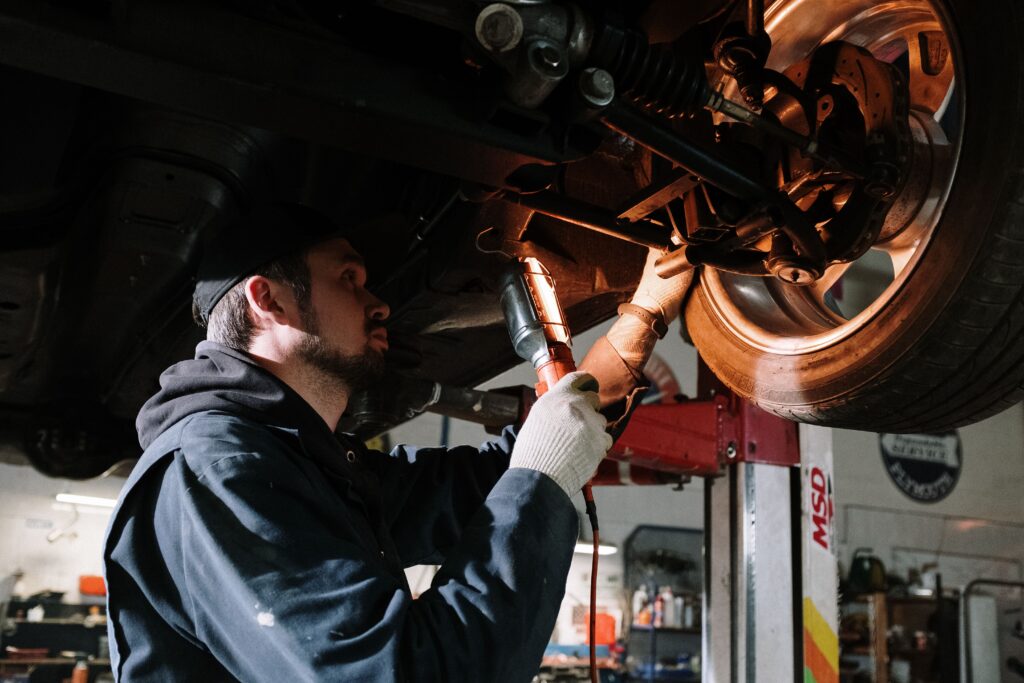
In cases where the evidence indicates that nothing more than condensation has caused the symptoms, a technician can more closely scrutinize the cooling system and engine. The specific diagnostic steps may include such procedures as inspecting coolant level, checking for obvious leaks, reviewing diagnostic trouble codes in computer memory, evaluating engine running condition and the specific cooling and combustion systems tests. Shop service information is helpful because it shows how the problem cannot be solved with just one observation.
(Some of the procedures call for cooling system pressure testing in specific situations involving low coolants and white exhaust, for example.)
What happens and what’s checked depends on what kind of engine is in the vehicle and just what kind of symptoms are present.
When You Should Take the Problem Seriously
Water droplets alone are usually not enough to conclude that an engine has failed.
The situation deserves more attention when several warning signs appear together:
- Persistent thick white exhaust
- Repeated unexplained coolant loss
- Engine overheating
- Sweet-smelling exhaust
- Rough running or repeated misfires
- Noticeable loss of engine performance
- Warning lights
- Unusual fluid leaking from the vehicle
- Symptoms that continue after the engine reaches normal temperature
If overheating or significant engine trouble is occurring, continuing to drive can increase the risk of additional damage. It is safer to have the vehicle evaluated promptly.
The Bigger Picture: Read Symptoms as a Pattern

The most useful automotive diagnostic skill is learning to diagnose common car problems without treating one symptom as a complete diagnosis.
For example, water coming out of exhaust by itself can be ordinary condensation. Add persistent white smoke, falling coolant levels, and overheating, and the interpretation changes significantly.
This patterned diagnostic system works for most car concerns. The well-trained mechanic will also take into account factors such as time (on the car, on the engine), the ambient temperature when the problem started, any exhaust characteristics (smell, smoke color, smoke volume, or steam), engine noises, the behavior of any vehicle warning lights, the type of fluid in a reservoir that appears or smells unusual, and if the symptom disappears when the vehicle reaches normal operating temperature.
The issue goes beyond the basic question, “Is there water?”
A better approach is to ask why the water is present and whether anything else is happening.
Final Understanding
Seeing water coming out of exhaust is often less alarming than it first appears. Water vapor is a natural product of combustion, and when hot exhaust gases cool, that vapor can condense into liquid droplets. Cold weather, humid conditions, and frequent short trips can make the effect particularly visible.
The important exception is persistent or excessive moisture accompanied by thick white exhaust, coolant loss, overheating, unusual smells, rough engine operation, or other warning signs. Those symptoms can indicate an internal coolant leak or another mechanical problem and should not be dismissed as ordinary condensation.
Learning to distinguish normal condensation from a pattern of warning signs helps prevent two common mistakes: worrying about harmless water droplets and, equally importantly, ignoring symptoms that genuinely deserve attention.
Frequently Asked Questions
Is water coming out of exhaust normal?
Yes, having a little water dripping out of tailpipe is normal. Combustion produces water vapor, which can condense in the exhaust system,particularly on cold start up and/or in cold weather.
Why is there water coming out of my car exhaust?
There can be moisture in the exhaust that has condensed in the system. On a cold start up, the moisture is evaporated off with the warm exhaust.
How do I know the difference between water and coolant?
Water that has condensed in the exhaust is clear and most likely has no smell. Coolant that has gotten in the exhaust would most likely have a noticeable smell. Coolant getting in the engine is more serious and can cause a white smoke to come out of the tailpipe. In this case, you should check your coolant levels and see if the engine is overheating.
Is white smoke coming out of the tailpipe normal?
It depends on how much smoke there is. If there is barely any coming out and it is only when the engine is cold, this is most likely just the water vapor that has condensed in the exhaust. If there is a lot of white smoke, and it continues coming out of the tailpipe even when the engine has warmed up, it can be a sign of coolant entering the engine. It might also cause the engine to overheat.
Does driving around cause water to build up in the exhaust pipes?
Yes. Driving around can cause moisture to build up because it evaporates off with the hot exhaust. The longer you drive, the more it evaporates off. If you drive short distances, it won’t evaporate off as much as it would if you drove longer distances or drove on the highway.
Is it okay to drive with water dripping out of my tailpipe?
If it is just a little bit of water, most likely it is okay. But, if there is more than just a little bit, it could be water vapor or even coolant, and you should get the car looked at by a mechanic. If the car is smoking a lot, has a smell, has poor engine performance, low coolant levels, or is overheating, it is best to get it checked out asap.
Can a blown head gasket cause water to come out of tailpipe?
Yes, if the head gasket is blown, it can allow coolant to get in the engine. Water vapor from the coolant can then come out with the exhaust. If the car is smoking,has poor engine performance, is overheating, or has low coolant levels, it is more than just water vapor that has condensed in your exhaust system.
1. Water Coming Out of Exhaust: Normal vs. Problem
Ek detailed comparison section:
- Normal condensation
- Coolant-related water/vapor
- Short-trip condensation
- Cold-weather condensation
- Serious engine problems
2. Different Types of Exhaust Water Explained
Explain karenge:
- Clear water
- Excessive water
- Water + white vapor
- Water + thick white smoke
- Water with unusual smell
- Water appearing only during startup
3. Why Does Water Drip From the Tailpipe?
Isme combustion ka process simple language mein explain hoga:
fuel + oxygen → combustion → water vapor → cooling → condensation → liquid water
4. Weather and Temperature Connection
Ek complete section:
- Cold weather
- Hot weather
- Humidity
- Morning startup
- Seasonal differences
Ye article ko genuinely educational banayega.
5. Short Trips vs. Long Drives
Explain karenge ke short-distance driving exhaust mein moisture ko kaise affect karti hai aur why water may be more noticeable.
6. Water vs. Coolant: How to Tell the Difference
Ye high-value section hoga. Table ke through compare kar sakte hain:
| Feature | Condensation | Coolant Problem |
| Appearance | Clear | May be colored |
| Smell | Usually none | Often distinctive |
| Exhaust | Usually light vapor | Persistent white smoke possible |
| Coolant level | Stable | May decrease |
| Engine temperature | Normal | May overheat |
7. What Different Exhaust Smoke Colors Mean
Ek separate educational section:
- White exhaust
- Blue exhaust
- Black exhaust
- Normal transparent vapor
Isse related keywords naturally cover honge.
8. Symptoms That Should Not Be Ignored
Detailed warning-sign section:
- Persistent white smoke
- Low coolant
- Overheating
- Rough idle
- Misfire
- Check-engine light
- Sweet-smelling exhaust
- Poor engine performance
9. Could a Head Gasket Cause Water From Exhaust?
Isko beginner-friendly way mein explain karenge without immediately assuming the worst.
10. How to Check the Problem at Home
A safe observation-based process:
- Start with a cold engine.
- Observe the tailpipe.
- Watch what happens as the engine warms.
- Check visible coolant levels according to the owner’s manual.
- Monitor the temperature gauge.
- Note smoke, smell, and engine behavior.
11. Common Mistakes People Make
For example:
- Assuming every drop is coolant
- Ignoring persistent white smoke
- Opening a hot coolant reservoir
- Judging the problem only by water quantity
- Continuing to drive an overheating vehicle
12. When to See a Mechanic
Clear distinction between:
Probably normal → Monitor → Get inspected soon → Stop driving and seek professional help
13. Exhaust Condensation and Rust
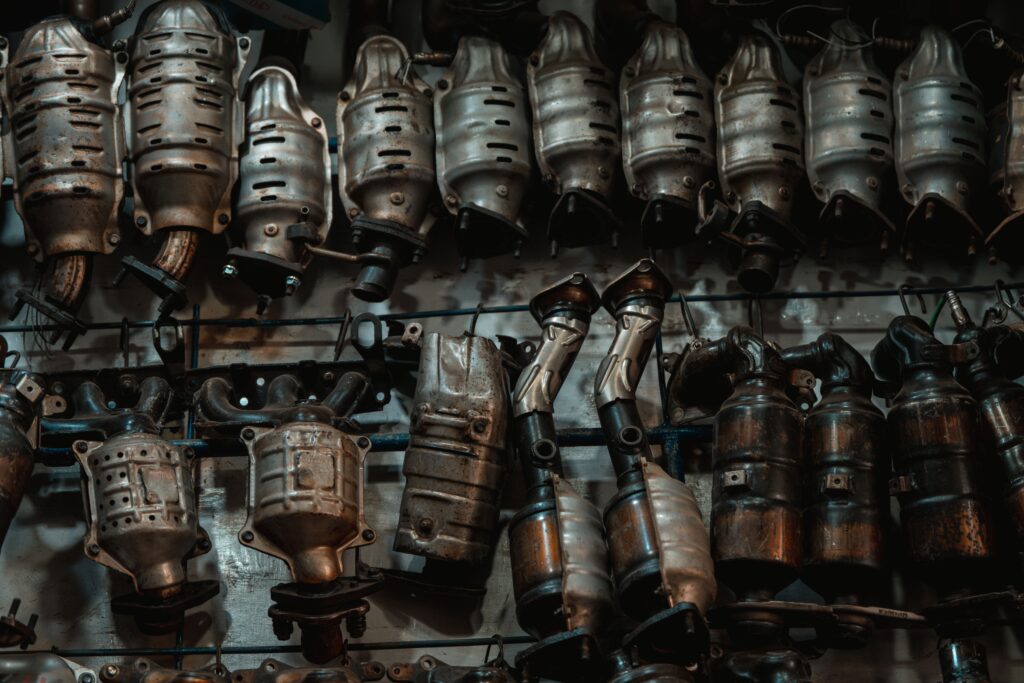
This would add another layer of useful information:
- Moisture inside muffler
- Internal corrosion
- Short-trip driving
- Exhaust-system longevity
14. A Diagnostic Decision Tree
For example:
Water from exhaust → Is it only during cold startup?
→ Yes → Does it disappear as engine warms?
→ Yes → Likely condensation
→ No → Is there persistent white smoke?
→ Yes → Check coolant level and engine symptoms
→ Coolant dropping/engine overheating?
→ Professional inspection recommended