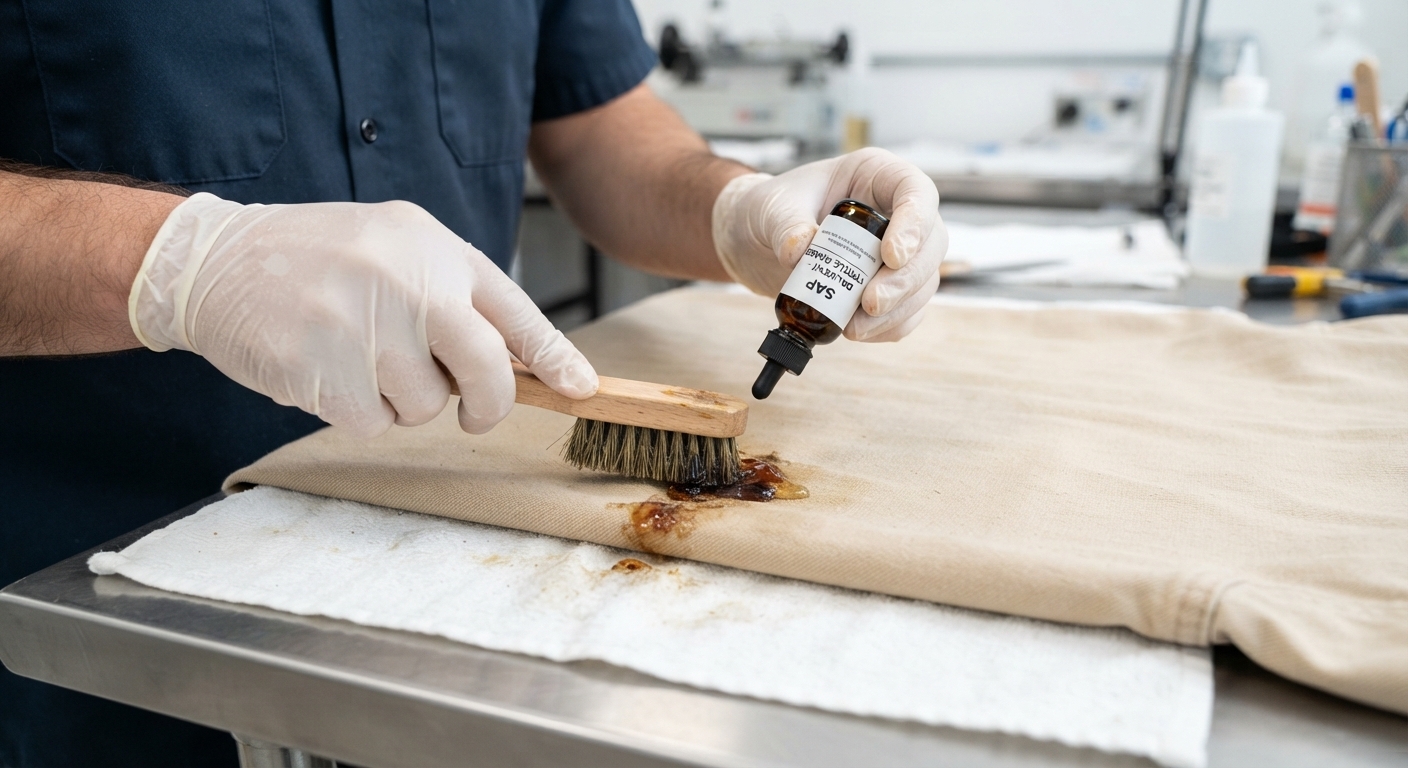
A pleasant afternoon outdoors can quickly take a frustrating turn when you lean against a pine trunk or carry freshly cut firewood, only to discover a thick, sticky patch of pitch embedded in your clothing. Learning how to get tree sap out of clothes requires a clear strategy because tree pitch behaves fundamentally differently than standard dirt or food spills. Tree resin is a water-insoluble, hydrophobic organic compound designed by nature to seal tree bark wounds, meaning standard water and laundry detergent will simply slide over the sticky mass without breaking it down.
When fresh sap lands on a garment, it immediately clings to the outer threads, quickly pulling surrounding dust and debris into its sticky matrix. If you try to wash the item without proper pre-treatment, the warm water in your washing machine can soften the resin just enough to smear it across clean sections of the fabric. The key to successfully restoring your favorite outfit lies in selecting the right solvent or oil-based agent to break down the sticky terpene bonds, allowing the residue to rinse away completely without damaging the underlying textile fibers.
Whether you are dealing with a fresh, wet blob of pine pitch or a hardened, dried spot on a delicate garment, applying a methodical extraction process ensures full restoration. This comprehensive consultant guide covers the chemical properties of plant resins, evaluates domestic and commercial solvents, and walks you through clear, step-by-step procedures tailored to every major fabric type.
The Chemical Composition of Botanical Resins and Fiber Interactions

To understand how to get tree sap out of clothes, you must first examine the chemical structure of botanical pitch. Conifer pitch is largely composed of resin acids, volatile terpenes, and sticky hydrocarbons. These natural compounds are hydrophobic, which explains why water alone, regardless of pressure or temperature, fails to dissolve or loosen the residue from woven materials.
When pitch contacts a textile, the fluid resin flows into the microscopic gaps between individual yarns through capillary action. As the volatile terpene molecules evaporate into the surrounding air, the remaining resin acids oxidize and harden into a dense, amber-like shell. This transformation creates a mechanical lock around the fibers, trapping the threads in a rigid matrix.
A successful removal strategy relies on the chemistry concept that like dissolves like. Non-polar organic solvents, such as isopropyl alcohol, or lipid-based agents like plant oils, disrupt the intermolecular forces holding the hardened resin acids together. Once these chemical bonds are broken, the pitch liquefies again, allowing you to lift it off the fabric using absorbent materials and mild laundry surfactants.
Immediate Steps: What to Do Right After Contact
The initial steps you take after noticing a sticky resin spot directly impact how easily the garment can be cleaned later. When people search for how to get tree sap out of clothes right after an outdoor excursion, their immediate impulse is often to grab a paper towel and rub the sticky spot. Aggressive rubbing while the pitch is soft and warm pushes the sticky liquid deeper into the inner core of the yarn, increasing the total surface area of the stain.
Instead of rubbing, gently scrape away any thick surface pitch using the dull edge of a butter knife, a plastic spoon, or an old credit card. Work carefully from the edges of the spot inward to avoid spreading the resin onto unsoiled areas of the fabric. Your goal at this stage is simply to lift off the excess surface mound without pressing down on the material.
If the resin is warm, soft, and extremely tacky, harden the mass first to make scraping cleaner and more effective. Place a few ice cubes inside a sealed plastic bag and rest it directly over the sticky spot for five to ten minutes. The cold temperature crystallizes the resin acids, making the pitch brittle so it snaps off in solid flakes rather than smearing into the weave.
Method 1: Isopropyl Alcohol and Solvent Breakdown
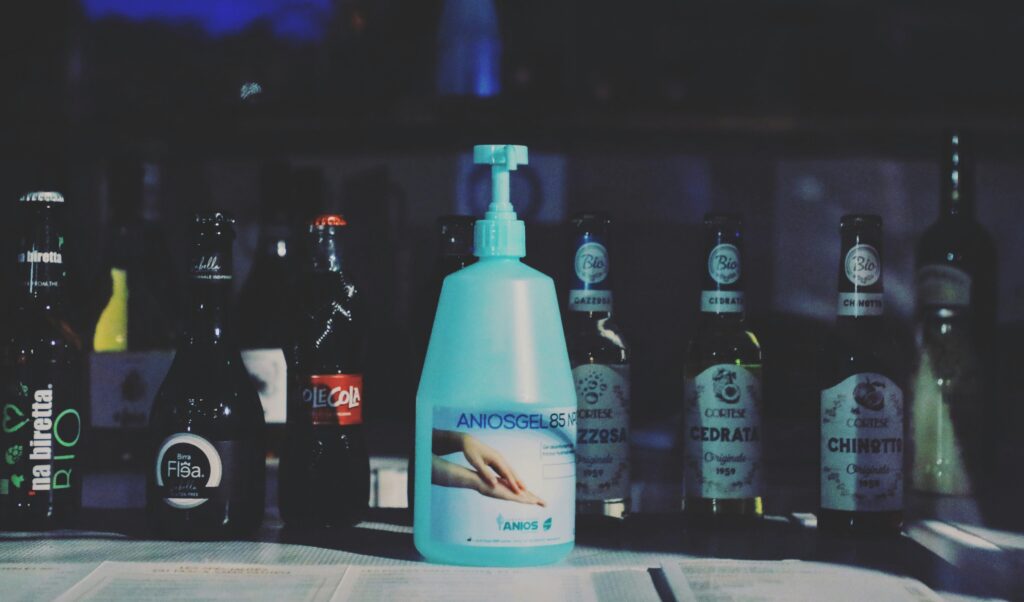
For sturdy natural materials like cotton, linen, and denim, high-concentration isopropyl rubbing alcohol serves as one of the most effective and accessible solutions when figuring out how to get tree sap out of clothes. Rubbing alcohol acts as a powerful organic solvent that breaks down sticky resin compounds quickly without leaving greasy rings behind.
To perform this treatment, place the stained area face down on a clean, folded white cotton towel or a stack of heavy paper towels. Saturate a clean cotton ball or microfiber cloth with seventy percent or ninety-one percent isopropyl rubbing alcohol. Working from the backside of the fabric, press the alcohol-soaked cloth firmly against the spot, pushing the liquid through the weave to dissolve the pitch from behind.
As the alcohol breaks down the resin, the dissolved pitch transfers directly onto the absorbent towel underneath. Continue dabbing with fresh alcohol-soaked cotton until the sticky texture is completely gone. Hand sanitizers containing high concentrations of ethyl or isopropyl alcohol can also work well when you are away from home. Once the resin is lifted, treat the area with a liquid laundry detergent and launder the garment normally.
Method 2: Lipid Dissolution Using Vegetable Oils and Peanut Butter
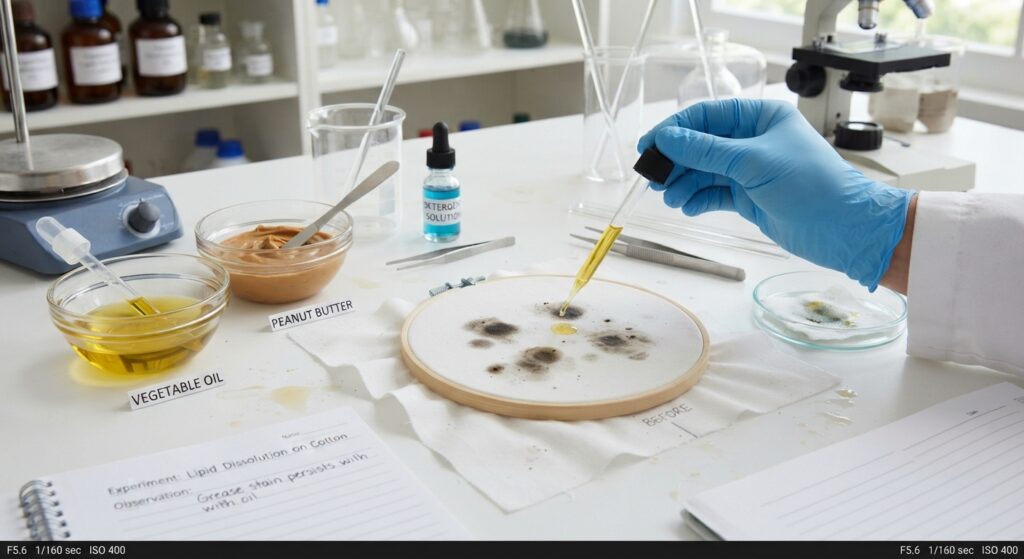
When treating delicate materials or dark fabrics that might fade from alcohol exposure, oil-based dissolution offers a gentle, highly effective alternative. Understanding how to get tree sap out of clothes using everyday kitchen oils relies on the principle that non-polar fats mix with and break down sticky resin molecules without harsh chemical reactions.
Apply a small amount of clean vegetable oil, canola oil, olive oil, or smooth peanut butter directly to the hardened pitch. Use your fingertips to massage the oil gently into the affected threads, working the fat deep into the resin matrix. Allow the oil to rest on the fabric for ten to fifteen minutes so it can soften the hardened tree pitch.
As the plant fats mix with the resin, the sticky texture dissolves into a smooth, liquid oil mixture that can be wiped away easily with a damp cloth. Because this method leaves a temporary oil spot behind, immediately apply a grease-cutting liquid dish soap directly to the area. Work the dish soap into the fabric to break down the lipid residue, then rinse thoroughly with warm water before placing the garment into your regular wash cycle.
Method 3: Mineral Spirits and Commercial Solvents for Heavy Outerwear

When outdoor gear, heavy canvas jackets, or workwear become coated in thick, dried evergreen pitch, household remedies like rubbing alcohol or cooking oil may require multiple applications. In these heavy-duty scenarios, knowing how to get tree sap out of clothes using specialized commercial solvents or mineral spirits delivers faster, deeper cleaning action.
Mineral spirits, acetone, and specialized citrus-based adhesive removers contain strong hydrocarbon fractions that dissolve tough tree pitch almost instantly. Always check the garment’s fiber content label before using heavy solvents, as acetone will dissolve acetate and triacetate fabrics, turning synthetic fibers into a melted paste.
To apply a commercial solvent safely, work in a well-ventilated space or outdoors. Apply a small amount of the solvent to an hidden interior seam first to confirm that the liquid does not bleed the fabric dye. Dampen a clean cloth with the solvent and dab the sticky spot until the pitch dissolves, then wash the item thoroughly using a heavy-duty laundry detergent to remove all chemical residue and odors.
Fabric-Specific Care: Navigating Cotton, Synthetics, Wool, and Silk
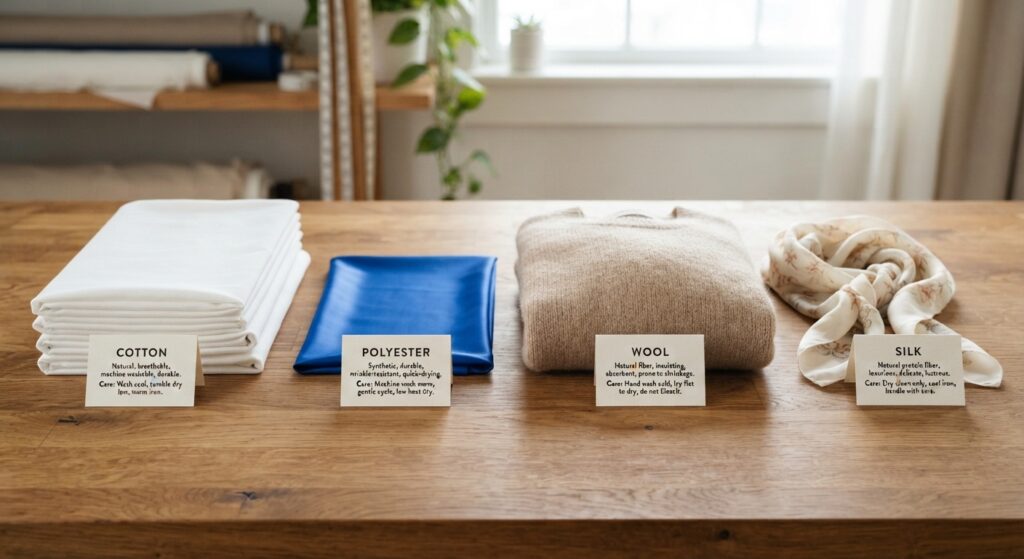
Different textiles react uniquely to solvents, temperature shifts, and physical friction, so adapting your technique to the specific fabric care tag is essential when determining how to get tree sap out of clothes safely, while following reliable fabric stain-removal guidance can help prevent unnecessary damage.
Cotton and heavy canvas are resilient natural plant fibers that tolerate isopropyl alcohol, mild oil treatments, and moderate mechanical agitation well. Synthetic materials like polyester and nylon also handle alcohol and cooking oils safely, but they melt easily under high heat. Never use hot water or hot iron pressing techniques on synthetic garments covered in pitch, as heat can melt the synthetic yarns alongside the resin.
Delicate animal fibers such as wool, cashmere, and silk demand maximum caution during stain extraction. Strong rubbing can cause wool fibers to felt together, while harsh solvents can strip natural luster from silk threads. For delicate fabrics, use pure mineral oil or a mild, pH-neutral wool cleanser, dabbing the spot gently with a soft sponge without twisting or wringing the material. If a delicate or structured garment is labeled dry clean only, hand it to a professional cleaner rather than trying heavy home solvents.
Critical Errors to Avoid During the Extraction Process
Avoiding common mistakes is just as critical as choosing the right solvent when researching how to get tree sap out of clothes, and additional clothing stain-removal advice can help you approach stubborn stains more carefully. Minor errors made early in the process can turn a small sticky spot into a permanent mark or ruin the fabric completely.
The single most destructive mistake is running a garment through a hot wash and tumble dryer cycle before verifying that all resin traces have been removed. The high ambient heat of a clothes dryer bakes remaining terpene acids deep into the core of the yarn, creating a dark, permanent ring that resists future solvent treatments. Always let treated garments air-dry naturally so you can inspect the spot under good lighting before using a machine dryer.
Another frequent mistake is using fingernails or sharp metal blades to scrape soft pitch from soft fabrics. Scraping soft resin with sharp edges cuts and frays delicate surface fibers, creating a fuzzy, damaged patch that remains visible even after the sticky residue is gone. Always freeze soft pitch with ice before scraping, and use smooth, blunt tools like plastic cards or wooden sticks to protect the fabric weave.
Step-by-Step Restoration Procedure for Old, Dried Tree Pitch
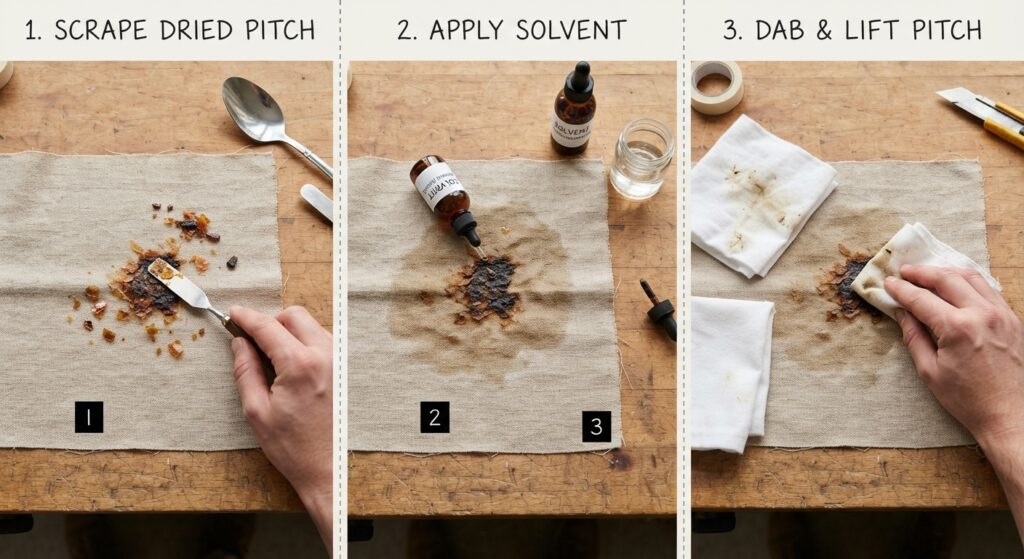
Discovering a garment with old, hardened tree pitch that has sat in a laundry hamper for days or weeks requires a patient, multi-phase approach. While aged pitch is more stubborn than a fresh spill, following a systematic restoration process can successfully lift even old, oxidized spots.
Begin by placing the garment flat on a stable surface with a protective towel underneath the stained section. Dampen a cotton pad with isopropyl alcohol or mineral spirits and lay it directly over the hardened pitch spot, allowing the pad to rest undisturbed for fifteen to twenty minutes. This soaking phase softens the oxidized crust, allowing the solvent to penetrate deep into the lower yarn layers.
Once the resin has softened, take a soft-bristled toothbrush and gently brush the area in small, circular motions to loosen the dissolved particles from the weave. Apply a generous drop of liquid laundry detergent directly to the damp section, rub the fabric against itself to create a lather, and rinse the spot thoroughly under warm running water. Inspect the fabric closely, repeat the solvent soak if any stiffness remains, and then launder the item normally.
Comparing Home Remedies and Commercial Treatments
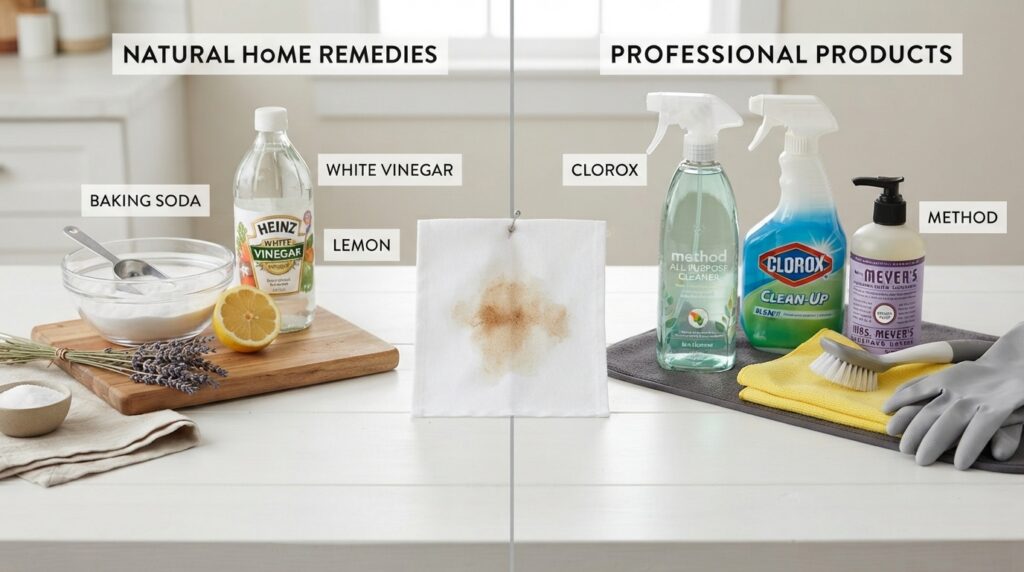
Choosing the best strategy for how to get tree sap out of clothes depends on your immediate location, the type of garment affected, and the severity of the pitch buildup, much like choosing the right approach for removing ink stains from clothing.
If you are outdoors or traveling, immediate physical extraction is your best option. Scrape off excess surface pitch with a blunt tool, freeze the spot with ice or cold water if available, and apply an alcohol-based hand sanitizer to dissolve remaining sticky residue until you can perform a thorough wash.
If you are at home treating everyday washable clothing, isopropyl alcohol remains the top choice for cottons and synthetics due to its fast evaporation and non-greasy finish. For dark or delicate fabrics, use cooking oil or peanut butter followed by grease-cutting dish soap. For heavy canvas workwear, winter jackets, or thick gear, heavy-duty citrus adhesive removers or mineral spirits offer the fastest breakdown power for dense pitch deposits.
When to Seek Professional Dry Cleaning Assistance

While home removal techniques work well for most everyday garments, knowing how to get tree sap out of clothes also means recognizing when a garment requires professional care. Trying aggressive home solvents on delicate or structured garments can cause water rings, color loss, or fabric distortion.
If the care label on your garment specifies dry clean only, avoid applying water, household oils, or heavy rubbing alcohol at home. Water and liquid solvents can cause rayon, structured blazer linings, and fine silks to pucker, shrink, or lose their shape. Scrape away loose surface pitch gently using a blunt plastic tool, freeze the remaining mass with an ice cube wrapped in a dry towel, and take the garment to a professional dry cleaner as soon as possible.
Be sure to point out the exact location of the pitch to the dry cleaner and identify the source of the tree sap if known, such as pine, spruce, or cedar. Professional dry cleaners use specialized non-aqueous solvents like perchloroethylene or hydrocarbon fluids that dissolve tough resins safely without damaging fragile tailor work or water-sensitive dyes.
Long-Term Prevention and Outdoor Gear Protection

Once you master how to get tree sap out of clothes and successfully restore your garments, adopting a few simple outdoor habits can minimize future pitch encounters and protect your clothing investment over time.
When hiking, camping, or working in wooded areas, wear durable, tightly woven outer layers made from smooth synthetic materials or heavy canvas. Smooth fabrics absorb fluid resins much slower than open-knit sweaters or soft fleeces, giving you time to wipe off fresh pitch before it penetrates into the inner yarns.
For outdoor enthusiasts who spend time around pine trees, applying a fabric protector spray to outer jackets, trousers, and backpacks creates a thin, hydrophobic barrier over the fibers. This protective layer reduces surface adhesion, making it much easier to wipe off fresh tree sap using a simple alcohol wipe before the resin can harden into the weave.