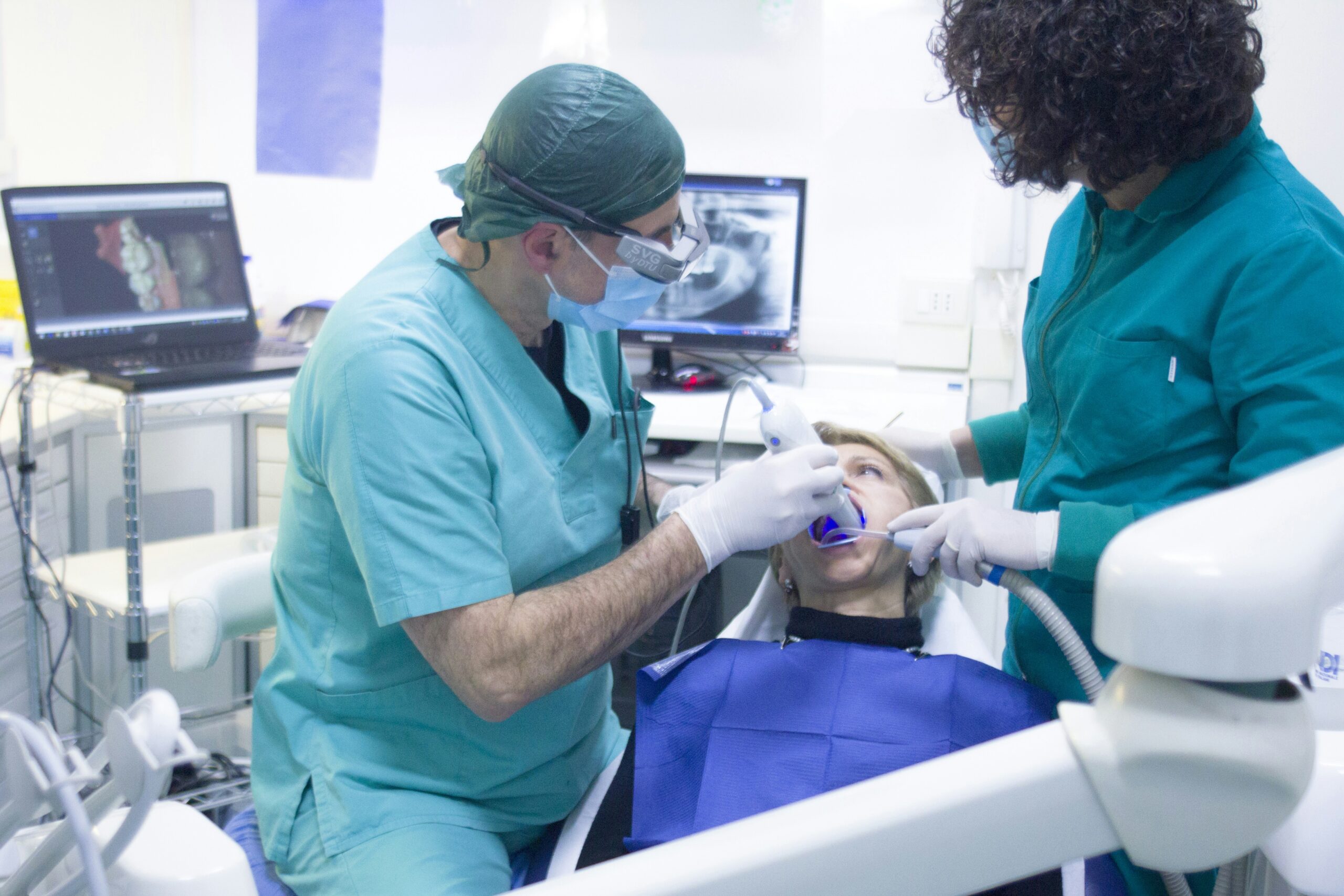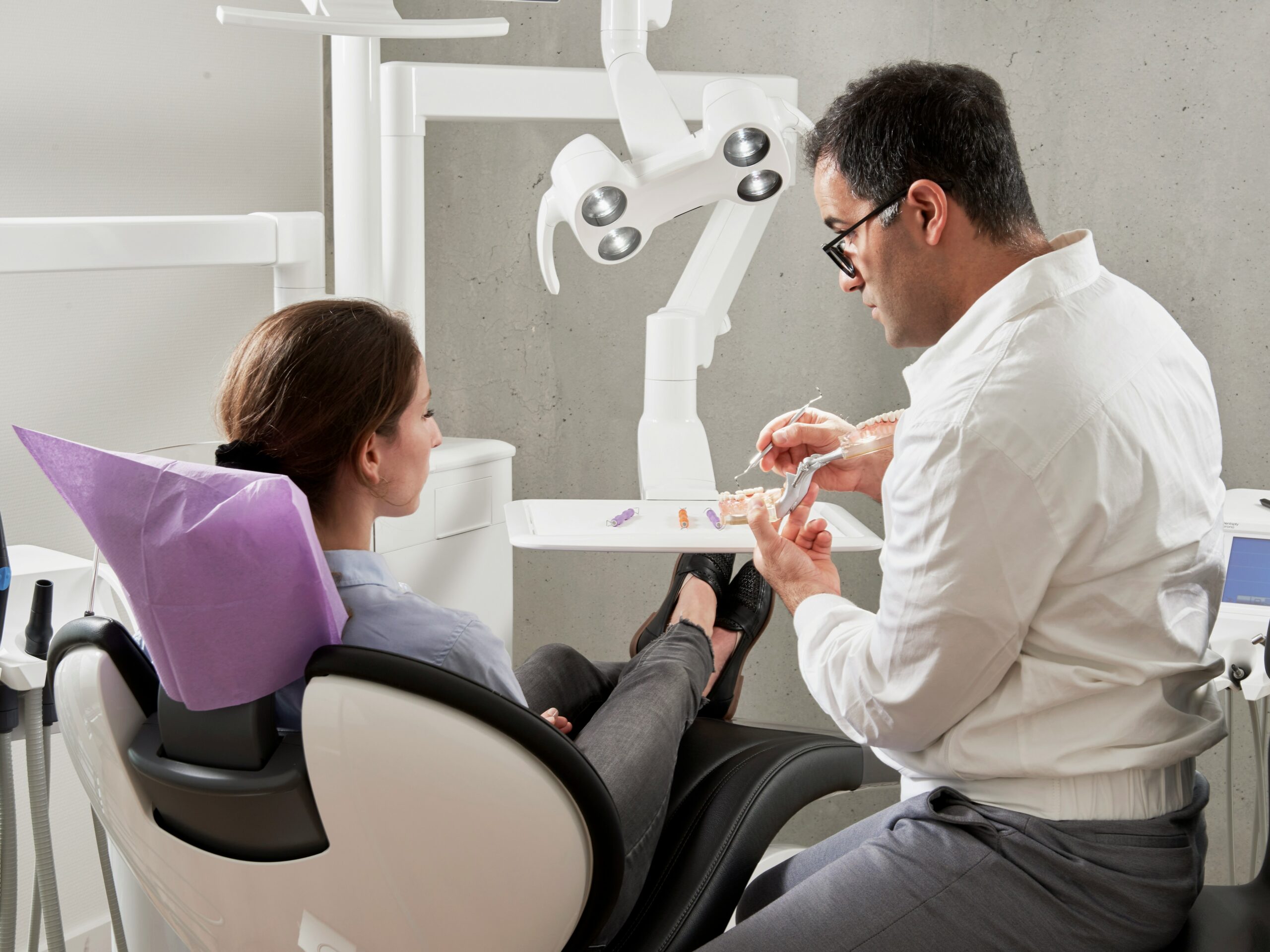
Leaving a dental clinic with fresh composite resin or amalgam in your tooth should ideally signal the end of dental discomfort. However, many patients sit at home hours or days later asking themselves: why does my tooth hurt after a filling? It can feel alarming to experience sharp zings, a dull ache, or severe sensitivity in a tooth that was just treated to resolve decay.
Restoring a tooth is a micro-surgical procedure. To place a filling, a dentist must use high-speed burs to remove decayed enamel and dentin, etch the remaining tooth structure, and bond restorative materials directly to living tissue. It is entirely normal for the living nerve deep within the pulp chamber to react to this mechanical and chemical disruption.
Understanding why does my tooth hurt after a filling requires distinguishing between normal, temporary post-operative sensitivity and red-flag symptoms that indicate a high bite, an inflamed nerve, or an unsealed margin. This guide breaks down the biological triggers behind post-filling discomfort, expected recovery timelines, practical self-care steps, and clear indicators for when you need a quick follow-up appointment.
Anatomy of a Restored Tooth: Why Sensitivity Occurs
To understand why does my tooth hurt after a filling, it helps to look at the microscopic layers that make up a human tooth.
+—————————————————————————————+
| Tooth Structure & Sensitivity Triggers |
+————————–+————————————————————+
| Structural Layer | Role in Post-Filling Discomfort |
+————————–+————————————————————+
| Enamel (Outer Layer) | Non-living outer shell. Does not register pain directly, |
| | but transfers bite force forces down to deeper layers. |
+————————–+————————————————————+
| Dentin (Middle Layer) | Contains thousands of microscopic fluid-filled tubules |
| | connected directly to the nerve. Exposure causes sharp pain.|
+————————–+————————————————————+
| Dental Pulp (Inner Core) | Living center housing nerves and blood vessels. Reacts to |
| | heat, pressure, vibration, and deep decay with inflammation.|
+————————–+————————————————————+
When a dentist drills away decay, the physical vibration and thermal heat from the bur flex the dentin and agitate microscopic fluid inside the dentinal tubules, which can contribute to temporary tooth sensitivity. If the decay was deep, the restorative material now sits much closer to the dental pulp.
Additionally, composite fillings require acid etching and bonding agents that momentarily desiccate the dentin. This chemical prep can leave the nerve in a hyper-reactive state known as post-operative pulpitis.
Primary Causes: Why Does My Tooth Hurt After a Filling?
Pain following dental restoration usually falls into one of five distinct categories. Identifying which trigger causes your discomfort makes finding a solution far easier.
┌──────────────────────────────────────────────────┐
│ Symptom Assessment: When Does the Tooth Hurt? │
└────────────────────────┬─────────────────────────┘
│
┌──────────────────────────┼──────────────────────────┐
▼ ▼ ▼
┌─────────────────────────┐┌─────────────────────────┐┌─────────────────────────┐
│ Pain Only When Chewing ││ Temperature Sensitivity ││ Constant Throbbing Pain │
├─────────────────────────┤├─────────────────────────┤├─────────────────────────┤
│ • High bite / spot ││ • Reversible pulpitis ││ • Irreversible pulpitis │
│ • Cracked tooth tissue ││ • Thermal conductivity ││ • Nerve exposure/damage │
│ • Material micro-flex ││ • Shrinkage gaps ││ • Secondary infection │
└─────────────────────────┘└─────────────────────────┘└─────────────────────────┘
1. A High Bite (Occlusal Interference)
The most frequent answer to why does my tooth hurt after a filling when biting down is that the filling material is slightly too tall. Even a fraction of a millimeter of extra composite alters how your upper and lower teeth meet.
When you chew, the high spot receives the entire force of your jaw before any other tooth touches. This concentrated impact drives the tooth root down into the periodontal ligament—the shock-absorbing ligament suspending the tooth in the jawbone. Over a few days, this ligament becomes severely bruised and inflamed, making even light pressure feel painful.
2. Reversible Pulpitis (Nerve Inflammation)
Reversible pulpitis occurs when the nerve inside the tooth becomes irritated by the drilling vibration, thermal friction, or chemical bonding agents, but remains healthy enough to recover, making reversible pulpitis symptoms important to recognize after dental treatment.
If you are wondering why does my tooth hurt after a filling when drinking cold water or hot coffee, mild reversible pulpitis is usually the culprit. The pain is typically a quick, sharp sensation that subsides a few seconds after the hot or cold item is removed.
3. Irreversible Pulpitis or Nerve Damage
If the decay was exceptionally deep and extended near the pulp chamber, the nerve may have already sustained irreversible bacterial damage before the filling was placed.
In this scenario, asking why does my tooth hurt after a filling leads to a more serious diagnosis: irreversible pulpitis. The nerve tissue inside the tooth begins to die, leading to spontaneous throbbing pain, extreme sensitivity to heat that lingers for minutes, and pain that keeps you awake at night.
4. Resin Shrinkage and Marginal Gaps
Tooth-colored composite resin is applied as a soft paste and cured using a specialized blue light. As composite resin cures, it undergoes a tiny percentage of volumetric shrinkage.
If the material pulls away slightly from the walls of the cavity preparation during curing, it creates micro-gaps. These gaps allow fluid movement inside the dentinal tubules when pressure is applied, leading to sharp, localized pain every time you release a bite.
5. Referred Pain and Adjacent Tissue Trauma
Sometimes the pain you feel isn’t originating from the new filling itself.
- Galvanic Shock: If a new metal amalgam filling touches an existing gold or metal crown on an opposing tooth, a minor electrostatic current can jump between the metals when you bite, causing a sudden sharp shock.
- Gingival Trauma: The rubber dam clamps, wooden wedges, and stainless steel matrix bands used to shape fillings can irritate the surrounding gum tissue, creating localized soreness near the tooth line.
- Referred Pain: The nerves in your jaw are closely connected. Pain signals from the treated tooth can trick your brain into feeling pain in the neighboring healthy teeth above or below it.
Evaluating Pain Patterns and Timelines
Distinguishing between expected healing and an evolving clinical issue requires tracking how long the discomfort lasts and what triggers it.
+—————————————————————————————+
| Post-Filling Symptom & Action Timeline |
+————————–+————————————————————+
| Timeline | Expected Symptoms & Recommended Actions |
+————————–+————————————————————+
| Days 1 to 3 | Numbness wears off; mild tissue tenderness and sensitivity |
| | to cold. Manage with OTC anti-inflammatories. |
+————————–+————————————————————+
| Days 4 to 7 | Sensitivity should begin diminishing. If pain when chewing |
| | persists or worsens, call for a bite adjustment. |
+————————–+————————————————————+
| Weeks 2 to 4 | Cold sensitivity should be minimal. If sharp pain or heat |
| | sensitivity lingers, schedule a professional check-up. |
+————————–+————————————————————+
| Beyond 4 Weeks | The tooth should feel completely normal. Ongoing pain |
| | indicates an unsealed margin, high spot, or pulp distress. |
+————————–+————————————————————+
At-Home Relief Strategies and Practical Care
While waiting for a minor nerve irritation to settle or for your follow-up bite adjustment, several practical steps can keep you comfortable.
1. Adjust Your Diet Temporarily
- Avoid extremely hot or ice-cold beverages while the nerve is hyper-sensitive.
- Chew on the opposite side of your mouth to give the bruised periodontal ligament time to rest.
- Steer clear of hard, crunchy, or sticky foods (such as nuts, ice, or caramel) that place intense lateral forces on fresh restorations.
2. Over-the-Counter Pain Management
Non-steroidal anti-inflammatory drugs (NSAIDs) such as ibuprofen are particularly effective for dental pain because they target both nerve discomfort and the inflammatory response in the surrounding gums and ligament. Alternatively, acetaminophen can be used if you cannot take NSAIDs. Always use medications strictly as directed on the packaging.
3. Switch to Desensitizing Toothpaste
If you frequently wonder why does my tooth hurt after a filling when brushing or drinking cold fluids, switch to a desensitizing toothpaste containing potassium nitrate or stannous fluoride. Potassium nitrate blocks nerve signal transmission across dentinal tubules over a few days of continuous use.
What Mistakes Should Patients Avoid?
When experiencing discomfort after dental work, avoiding a few common errors prevents minor sensitivity from turning into major complications:
- Ignoring a High Bite: Never assume a high filling will simply “wear down” over time on its own. Chewing on a high filling continuously damages the underlying bone and ligament, potentially cracking the tooth or causing severe secondary inflammation.
- Aggressive Brushing: Avoid scrubbing the freshly filled tooth with a hard-bristled toothbrush. Gentle circular motions with a soft-bristled brush prevent further gum irritation.
- Delaying a Follow-Up for Severe Pain: Hoping a throbbing, unmanageable ache will resolve itself can allow a deep pulpal infection to spread into the jawbone.
- Using Toothpicks to Probe the Area: Do not pick at the margins of a fresh restoration with sharp wooden or metal tools, which can disrupt the bond or injure delicate interdental gum papillae.
When to Contact Your Dentist for Professional Intervention
While mild sensitivity is expected, certain symptoms mean you should seek prompt professional care.
+—————————————————————————————+
| When to Wait vs. When to Call Your Dentist |
+—————————————————————————————+
| Green Light (Monitor at Home): |
| • Mild cold sensitivity that lasts only 1–3 seconds after swallowing. |
| • Slight tenderness in the surrounding gum tissue where local anesthetic was injected. |
| • Discomfort that steadily decreases in intensity day by day. |
+—————————————————————————————+
| Red Light (Schedule an Appointment Immediately): |
| • Sharp, localized pain every time your teeth touch or when you bite down. |
| • Throbbing, spontaneous pain that occurs without any hot/cold trigger. |
| • Extreme heat sensitivity that lingers for 15 seconds or longer after exposure. |
| • Visible swelling in the gums, cheek, or jaw near the treated tooth. |
| • A feeling that the filling has cracked, shifted, or fallen out entirely. |
+—————————————————————————————+
What Your Dentist Will Do to Fix the Issue
If you return to the clinic because your tooth continues to hurt, your dentist has several fast, painless solutions available:
- Bite Adjustment (Occlusal Polishing): The dentist places a piece of colored articulating paper between your teeth and asks you to tap and grind lightly. High spots leave dark carbon marks on the filling. The dentist gently polishes away these high points with a fine diamond bur in under two minutes—a procedure that usually requires no local anesthetic and brings immediate relief to the bruised ligament.
- Replacing or Resealing the Restoration: If resin shrinkage or a poor marginal seal is causing micro-leakage, the dentist may remove the top layer of composite and place a fresh, carefully bonded layer or add a soothing liner (such as glass ionomer) over deep dentin.
- Endodontic Treatment (Root Canal Therapy): If tests reveal that the nerve has suffered irreversible pulpitis due to the depth of the original cavity, a root canal will be necessary. The dentist removes the unhealthy nerve tissue, cleans the root canals, and seals the tooth, permanently eliminating the source of pain.
Long-Term Considerations for Healthy Restorations
Understanding why does my tooth hurt after a filling helps you make better decisions for your oral health going forward. Modern tooth-colored restorations are durable, functional, and aesthetically pleasing, but they require proper care to remain comfortable over their 5- to 15-year lifespan.
Maintaining routine oral hygiene—including daily flossing around filling margins and attending bi-annual dental cleanings—prevents recurrent decay from forming beneath existing restorations. If you suffer from night-time teeth grinding (bruxism), wearing a custom nightguard protects both your natural teeth and fresh fillings from heavy, unnatural forces.
By paying attention to your symptoms, managing minor post-operative sensitivity at home, and seeking a quick bite adjustment if chewing hurts, you can ensure your restored tooth heals comfortably and stays healthy for years to come.
Frequently Asked Questions
1. How long is it normal for a tooth to hurt after getting a filling?
Mild sensitivity to cold temperatures or pressure typically lasts anywhere from a few days to two weeks, similar to the temporary discomfort discussed in how long to wait to eat after composite filling treatment. If sensitivity persists beyond two to three weeks without improvement, or if the pain is severe and throbbing, you should contact your dentist for an evaluation.
2. Can a high filling fix itself over time?
No. Modern composite resin and amalgam materials are designed to be extremely durable and will not wear down on their own quickly enough to spare your tooth root. Chewing on a high filling continues to traumatize the periodontal ligament, so a quick professional bite adjustment is required.
3. Why does my tooth hurt when drinking cold liquids after a filling?
Cold sensitivity happens because the mechanical drilling and chemical bonding process temporarily inflames the nerve inside the tooth pulp. As long as the pain lasts only a few seconds after the cold liquid is gone, it is normal reversible pulpitis and will settle as the nerve heals.
4. What does it mean if my tooth hurts spontaneously without any trigger?
Spontaneous pain—pain that throbs on its own while you are resting or sleeping—is a primary sign of irreversible pulpitis. This indicates that the nerve inside the tooth is severely damaged or dying, and usually requires root canal therapy rather than a simple filling adjustment.
5. Why does my gum tissue hurt around the new filling?
Gum tenderness is common and usually stems from the metal matrix bands, wooden wedges, or rubber dam clamps used to isolate the tooth during the filling procedure. Local anesthetic injections can also leave localized sore spots that heal within 3 to 5 days.