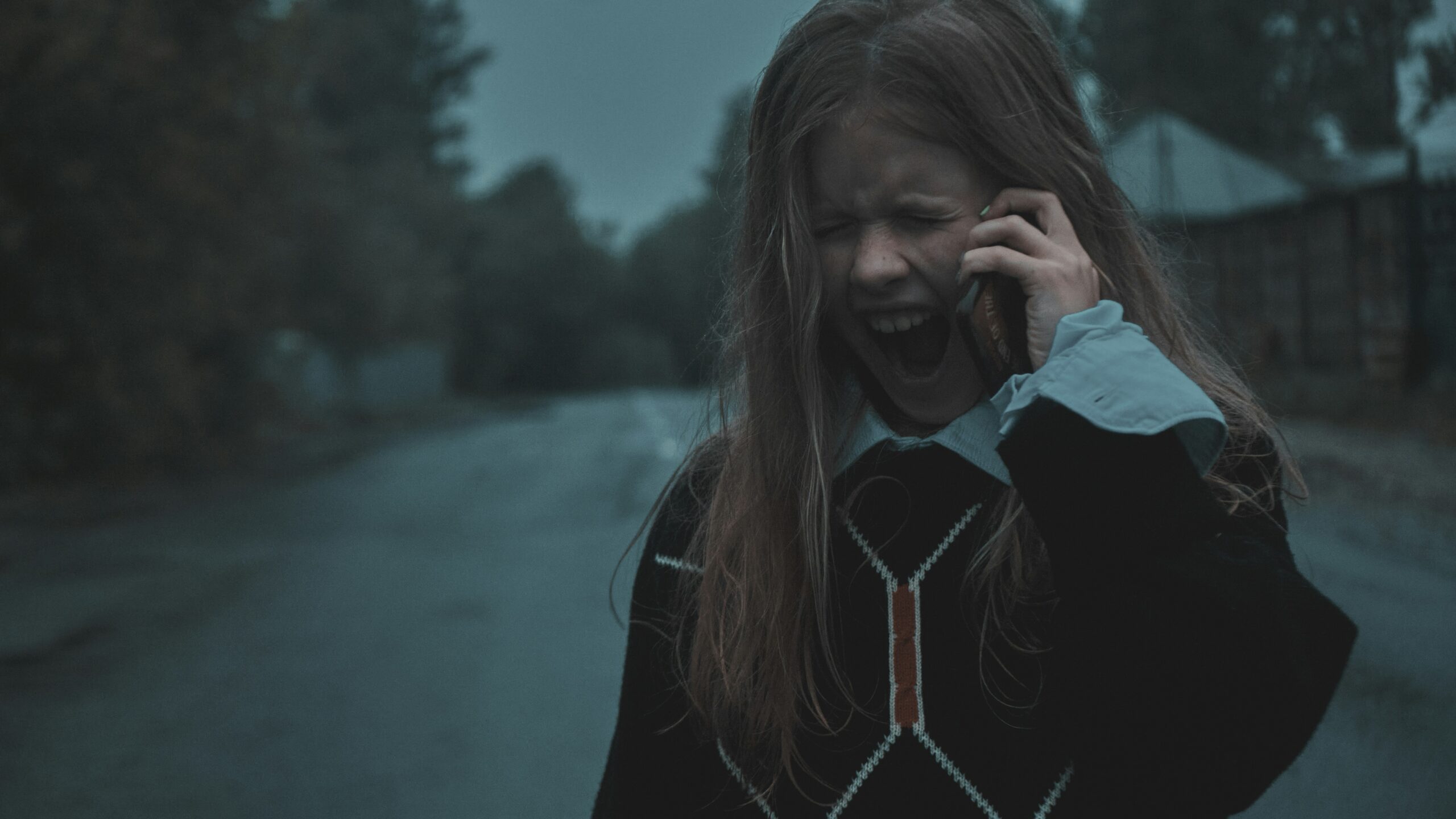
For hundreds of years, folks have cracked grim jokes – still sparking arguments today. Some call it sharp thinking dressed as comedy; others say it crosses a line without warning. Twisting sorrow or shock into punchlines – that’s where its odd power shows up. Laughter might follow, yes, but so can silence, stares, unease.
Out here on the web, jokes fly fast – memes, sarcasm, viral clips – all zipping through feeds like sparks. Dark laughs pop up a lot now, riding those waves of online noise. Folks dig them, sure, yet what makes that funny stuff hit right – or go too far – needs looking at. Anyone curious about how we connect, crack wise, think, or shift norms might want to notice. It’s tucked into behavior, hidden in punchlines, shaping how things land.
Starting off, this piece looks at where dark humor comes from. Its roots sit deep in human history. A bit later, attention turns to the mind processes behind why people find such jokes funny. Instead of laughing easily, some wrestle with discomfort – yet still engage. Moving on, real life uses show up in conversations, media, and coping methods. Not every situation welcomes it, though. Benefits appear when tension breaks or bonds form unexpectedly. On the flip side, risks exist – misunderstandings can spread fast. Ethics matter just as much, since offense might follow closely behind a joke. By the end, readers see how this kind of humor weaves through today’s world, fitting in odd corners of culture.
Dark Humor Explained Simply?
Laughing at tough things isn’t new. Dark jokes poke fun where most people hesitate. Tragedy, sickness, or grief might spark a smirk instead of silence. Some find relief in mocking what scares them. Politics can become punchlines when handled wrong. Painful moments turn absurd through twisted wit. Disasters lose their edge when framed oddly. Social taboos bend under sarcastic tones. Heavy topics get lighter when flipped sideways.
Dark humor doesn’t look away when things get awkward. Everyday jokes might skip over pain, yet this kind digs right into it. Irony opens the door. Exaggeration stretches the truth until it snaps. Sarcasm adds a sharp edge others avoid. A sudden twist in viewpoint can say what facts never could.
What matters isn’t always causing offense. Often, grim jokes work like shields – helping people handle stress, sparking deeper questions, exposing flaws in how society talks to itself.
Topic Overview
Laughing at grim things isn’t new. Way back, old stories slipped it in quietly. Back then, stage shows during tough centuries found ways to smirk through pain. Later on, drawings mocking leaders carried that same sharp edge. These days, TV slips bleak jokes into regular scenes without blinking.
Today, dark humor appears across many forms of media, including:
- Stand-up comedy
- Television series
- Movies
- Internet memes
- Social media platforms
- Books and novels
- Political cartoons
- Podcasts
When messages fly across screens in seconds, a punchline can land differently depending on who’s reading it. Suddenly, where something happens matters more than what was said.
Dark Humor Has Meaning
Laughing at the grim stuff does more than pass time. How people talk shifts when jokes pull no punches. Minds react in ways scientists keep studying. Society absorbs it through film, chat, memes. Even doctors notice its role during tough moments.
Helps people work through tough times
Laughter might just slip in when things get tough, helping folks manage how they feel. When tension builds, those working in hospitals, rescue teams, or high-pressure jobs may drop a light remark – not to distract, but to steady themselves. Timing matters most. A brief moment of wit can ease strain without crossing lines.
Even when it does not fit perfectly, a well-placed joke can ease tension – so long as it comes across kindly. Still, timing matters more than the punchline ever could.
Encourages Critical Thinking
Laughter often pokes holes in what society claims to believe. When jokes reveal leaders saying one thing but doing another, truth slips through. Power looks smaller under bright humor. Jokes sharpened on unfairness cut deeper than lectures. Mockery turns blind spots into spotlights.
Comedians might stretch the truth just enough so people start questioning what they accept. A joke can twist reality until its flaws become obvious. Through sarcasm, odd comparisons come alive – suddenly familiar things seem strange. Laughter arrives not because it is accurate but because it reveals something hidden. Overstating a situation opens space where new thoughts fit easily.
Creates Social Connection
Laughter, when it lands the same way for everyone, builds connection through shared moments. When inside jokes click, bonds grow without needing extra words. Moments like these – familiar, quick, quiet – stick because they’re recognized instantly. Understanding flows easier when someone else gets the reference. It’s less about the joke, more about being on the same page.
Laughter between pals tends to pick up quirks over time – shaped by inside jokes, shared moments. A nudge replaces a punchline when both know what it means. Tone shifts become signals, not just sounds. Trust lets silliness feel safe. What seems odd to outsiders fits perfectly here. Humor grows personal because knowing someone changes how you joke.
Reflects Cultural Attitudes
Comedy often changes alongside society.
What felt normal years ago might spark debate now. Meanwhile, things once off-limits slowly find their way into conversation. Shifts happen without announcement. Comfort levels shift over time. Old boundaries blur. New ones form just as quietly.
Laughter born of shadows shows how what we value shifts over time. Yet the way people speak reveals deeper turns in shared beliefs.
Different Ways People Handle Dark Humor
Some folks mistake dark humor for one thing only. Yet it shows up in many forms instead. A joke might shock first then make sense later. Sometimes laughter comes after discomfort sets in. Not every punchline feels safe at once. Each version plays with tension differently. What seems grim can turn oddly light.
1. Satirical Dark Humor
Laughter twists mirrors toward power when jokes stretch truth too far. Exaggeration pokes holes in rules because sharp wit slips past guards. Society stumbles into reflection, its flaws lit by comic light. Politics shrinks under ridicule since absurdity reveals what facts sometimes hide.
Satire turns its eye toward authority structures instead of those who can least afford criticism. Power becomes the punchline more often than people on shaky ground.
Political TV programs often use this method, while cartoonists in newspapers tend to do the same thing.
2. Self-Deprecating Humor
Some individuals joke about their own struggles or difficult experiences.
Laughing at yourself, if done with care, shows strength more than weakness. A person who handles their own mistakes lightly often understands feelings well.
Still, too much inward criticism could point to underlying feelings needing attention.
3. Observational Dark Humor
Out there, some comedians point at awkward truths – stuff folks know yet stay quiet about. A strange silence wraps these moments, until someone names them on stage. These performers pull back curtains others leave closed. Truths sit just beneath the surface, waiting for a voice sharp enough to poke through. Laughter follows, because recognition feels like release.
What makes it funny is spotting mismatched pieces of daily routines. A quiet moment reveals the absurd when habits clash without warning. Life stumbles into irony where least expected. Odd patterns emerge from routine actions repeating endlessly. The laugh arrives mid-step, catching balance off guard.
4. Absurdist Humor
Laughter kicks in when nonsense piles up so high it topples into silliness. A scenario too wild to happen somehow feels funny when stretched just right. Overblown chaos twists logic until giggles take over. Ridiculousness grows legs and trips on its own shoelaces. What makes no sense at first suddenly clicks through sheer excess.
Out of nowhere, dreams twist into scenes that finish differently than expected. A quiet shift happens when imagination jumps past reality.
5. Gallows Humor
Laughing when things are dire isn’t new. Gallows humor shows up where danger and tension run high. Moments before uncertainty take hold, some crack a joke instead of freezing. This kind of wit appears most when escape seems impossible. Facing the edge changes what people find funny. Jokes emerge not to mock but to cope. The darkest moments sometimes draw the sharpest laughter.
Laughing through tough moments isn’t new – doctors, firefighters, those in combat often share dark jokes just to get through the day. Heavy stuff hits differently when it’s met with a smirk instead of silence. Moments of tension dissolve into shared glances, muttered remarks that only insiders grasp. It sticks because it works, even if outsiders frown. The weight stays, but sometimes words shift it sideways.
The Mind and Dark Comedy
Some folks laugh at dark jokes, psychologists noticed, yet others feel turned off. A few minds find twisted comedy appealing; meanwhile discomfort creeps in for some. What sparks amusement in one person might stir unease in another. Tone bends differently across listeners – humor splits along invisible lines. Reactions split: light meets shadow inside each head.
Several psychological factors may contribute.
Cognitive Complexity
Dark humor often requires audiences to understand multiple meanings simultaneously.
The brain processes:
- The serious subject
- The humorous twist
- The irony behind the joke
A sudden twist in thinking brings shock – the core spark behind laughs.
Emotional Regulation
Laughter sneaks in when things get heavy. It softens rough edges without announcing itself. A joke here, a grin there – tension dips. Not everyone leans on it, yet many do. Awkward silences break easier that way. Relief shows up sideways. Quietly. Without paperwork.
Laughing can step back when feelings get heavy. Research into the psychology of humor suggests that laughter can sometimes help people create distance from stress without ignoring it completely. Sometimes a joke makes space where stress once pressed. A grin slips in before sadness settles. Even silly moments hold weight when pain shows up. Chuckling doesn’t fix – just shifts – for now.
Personality Differences
Laughter hits differently based on who you are. A person’s sense of humor often reflects their past moments, shaped by where they grew up. Some jokes land better because of how someone thinks. Background plays a quiet role in what feels funny. Experiences guide reactions more than we notice.
Dark humor doesn’t belong to just one kind of person. Some laugh at it, others don’t care. It skips across minds in uneven patterns. A grin here, a frown there. Not every thinker finds it fitting. The mood shifts who welcomes it. Often, surprise decides more than character does.
Dark Humor Compared to Other Comedy Styles
Comedy Style
Main Purpose
Typical Topics
Dark Humor
Explore uncomfortable realities
Death, tragedy, serious issues
Satire
Critique society
Politics, institutions
Observational Comedy
Everyday experiences
Daily life
Slapstick
Physical comedy
Accidents, exaggerated actions
Parody
Imitate existing works
Movies, celebrities, media
Wordplay
Language-based jokes
Puns, double meanings
Even when they blur together, dark humor stands apart because it tackles painful topics without looking away.
Dark humor can help people cope with difficult situations
Encourages Open Conversations
Laughter, if timed right, opens doors to tough talks. A well-placed joke can slide past resistance. Heavy topics sometimes soften under a light tone. Humor, used with care, clears space for honesty. Serious things find room when people are smiling.
People might feel less judged when tough subjects come up.
Builds Psychological Resilience
Laughter shows up when times get rough, sticking around like an old friend. It shifts something inside people, lightening the weight without fixing anything at all. Moments of silliness pop in, breaking tension even when problems stay unsolved. A joke here or a grin there keeps hope alive, not by force but simply by being present.
Laughter won’t fix everything, yet it sometimes helps when dealing with tough feelings. Still, real comfort often comes from deeper connections rather than jokes alone.
Enhances Creative Thinking
Dark comedy works when ideas spark in fresh ways. A pause lands just right. Who listens matters as much as what they hear. Words bend without breaking trust. Cleverness hides beneath awkward silence.
Years go by while working comics sharpen their craft. Still, practice shapes how they deliver jokes. Some slowly build timing through trial after failure. Others adjust small details until delivery feels right. Mastery comes not fast but step by step.
Promotes Social Commentary
Laughter sometimes shows what logic misses when tackling tough topics. Still, it sneaks truth past our usual defenses without warning.
A laugh might carry a heavy thought further than blunt words ever could. Sometimes truth slips through when jokes open the door first.
Limits of Dark Humor
Yet here’s where dark humor stumbles, even when it seems sharp. Its edge can slip. Moments turn awkward fast – timing misfires, listeners freeze. A joke meant to cut through tension instead leaves gaps too wide to cross. Some truths land better without mockery nearby.
Highly Context Dependent
A shared laugh between pals might land just fine, yet that exact moment could feel out of place at work. What feels light-hearted in one circle can seem off-key somewhere else.
Audience expectations matter.
Cultural Differences
Different cultures interpret sensitive topics differently.
Jokes landing well in one place might flop somewhere else entirely.
Risk of Misinterpretation
Laughter does not travel well through text alone, so humor often lands flat across screens. A grin cannot follow a punchline when messages move without faces behind them. Words slip sideways where winks might have held them steady. Sarcasm risks confusion when it sails beyond vocal cues. Jokes lose their balance without the nudge of an eyebrow. Tone vanishes into silence between keystrokes.
For chats made of words, that point hits harder. Most times.
Emotional Impact
Some people respond in distinct ways right after a traumatic event. Others, farther away from the pain, might not feel it the same way at all.
Essential still are timing and a sense of how others feel.
Real-World Examples
Dark humor appears across many creative industries.
Film
Stories often mix sorrow and humor when showing how people act through tough times.
These tales tend to uncover tangled feelings rather than reduce pain.
Television
Laughter often sneaks into today’s shows right alongside tension, offering viewers a way to sit with heavy ideas without drowning in them. Though separate at first glance, these tones slip together quietly – moment by moment, scene after scene – shaping stories that feel both real and manageable. Heavy topics arrive not just through sorrow, but also through moments that catch you smiling despite yourself. Each episode walks a line, never tipping too far one way, holding weight lightly on purpose.
Literature
Irony sneaks through old stories, poking holes in power. Dark jokes pop up where you least expect – mocking battles, mocking rules. Some books laugh while tearing apart greed. Others twist humor into something sharp, aimed at broken systems. Laughter here isn’t joy – it’s a weapon slipped between lines.
Internet Culture
Out of nowhere, memes slipped into view as a go-to outlet for twisted laughs. A quiet shift happened – dark jokes now spread faster through images than words ever did alone.
Memes move fast, so they usually show what’s happening now, common annoyances, besides shifts in how people act.
Still, when posts spread fast, saying things carefully matters more.
Dark Humor Missteps
What gets missed often isn’t words but context around them. Social cues slip through when attention fades. Assumptions fill gaps left by ignored signals. Misreading happens easiest where awareness drops.
Ignoring the Audience
A laugh lands better when you grasp who’s listening. Comedy shifts depending on the crowd it meets.
Laughter between pals can fall flat on a crowded street. Sometimes what sparks grins at dinner sits quiet behind a podium. A whisper that flies across a kitchen table stumbles when shouted into a hall. Inside jokes live best where trust already breathes. Public ears miss the rhythm of private humor.
Confusing Shock with Comedy
Simply discussing disturbing topics does not automatically create humor.
Comedy works when it has a clear shape, moments land at just the right instant, ideas feel fresh, because they come from a sharp point of view.
Overusing Sensitive Topics
When stories keep turning to sorrow, fresh ideas tend to fade. Audiences might slowly drift away if grief becomes the only path taken.
Balanced comedic writing includes variety.
Forgetting Context
How something is said often matters less than the situation around it.
Where you are might shape laughter just as much as who you’re with. Sometimes it’s not the joke but when it lands that matters most. The world around people often steers whether something feels funny. Even news headlines can shift what gets a smile or a frown.
Expert Recommendations
Professionals who study communication and comedy generally recommend approaching dark humor thoughtfully.
Some practical guidelines include:
- Understand your audience before making sensitive jokes.
- Consider cultural and social differences.
- Start with what catches the eye, yet skip the drama. A quiet detail often speaks louder than loud surprises. Instead of jolting attention, let insight lead. Sharp noticing beats forced reactions every time. What sticks is usually subtle, not screaming.
- Avoid targeting vulnerable individuals or personal tragedies.
- What one person finds funny might leave another silent. Different reactions are normal when jokes land differently across people.
- Be willing to adapt your communication style when circumstances change.
Dark humor works best when it shows someone is paying attention, thinking differently, one person understands others – not just trying to shock. People notice the care behind the joke even if they laugh at something uncomfortable.
Frequently Asked Questions
Is dark humor the same as offensive humor?
Dark humor deals with heavy topics, yet it doesn’t always aim to wound. Offense comes when someone gets targeted, whether meant or not. One might brush up against the other at times. Still, they aren’t the same thing.
Why do some people enjoy dark humor?
Dark humor grabs attention by making folks think twice about tough subjects. A laugh during hard moments can lighten the mood without fixing anything. It digs into feelings people often keep hidden. Twisted jokes sometimes show life in a way that feels more honest. Seeing tragedy through satire changes how some understand pain.
Is dark humor appropriate in professional settings?
Most times, work settings call for thoughtful choices. Jokes about delicate subjects might miss the mark – culture, listeners, situation all shape how they land.
Can dark humor be therapeutic?
Laughing through tough times might ease the weight a bit, according to some experts. Still, if emotions feel too heavy, real help means reaching out to someone trained – not just leaning on jokes.
Wondering if each person sees dark jokes alike?
True enough. A person’s sense of humor shifts depending on their past, where they grew up, what they’ve studied, even how they’re feeling that day. Age plays a role too – what seems funny at twenty might fall flat at fifty.
Conclusion
Out there among laughs, dark humor stands apart by tackling awkward topics most avoid. It nudges viewers to see past usual viewpoints instead of just making them chuckle. Done well, it builds strength in facing hard truths while sparking conversation. It also reflects modern lifestyle perspectives on how humor, culture, and communication continue to evolve. Still, how well it lands rides on timing, who’s listening, shared values, and whether words come across with care.
Dark humor gains meaning when seen through the lens of today’s online spaces. It does not fit neatly into right or wrong categories instead it thrives on nuance. Creativity shapes its edge just as much as awareness of others. Good sense guides where it lands most effectively.